Health authorities in Washington have confirmed the first known human infection of the H5N5 bird flu strain. The patient, an older adult with pre-existing health issues, died after experiencing severe complications. This marks the first documented instance of this strain infecting a human, which has prompted an immediate review of current monitoring systems. Although experts continue to evaluate the situation, early details suggest the infection likely originated from exposure to infected birds.
How the Case Was Identified
Officials detected the infection during routine testing after the patient showed intense respiratory symptoms that quickly worsened. Doctors initiated treatment right away, yet the patient’s fragile health made recovery difficult. Because of the unusual nature of the virus, the case underwent additional confirmation. The final results verified that the patient carried the H5N5 strain, which had circulated among birds but never crossed into humans until now.
Why This Strain Raises Concern
This case stands out because H5N5 had not previously infected any person. Therefore, health teams are investigating how the virus adapted enough to reach a human host. Although transmission appears limited, experts say any jump from animals to humans deserves careful attention. Since viruses mutate over time, authorities want to understand whether similar incidents could emerge elsewhere. They also aim to learn if the infection resulted from a rare, isolated exposure or from a broader environmental change.
Health Officials Respond Quickly
State health teams moved fast to trace close contacts, evaluate possible additional exposures, and monitor anyone who might show symptoms. Even though the risk to the general public remains low, precautionary steps help prevent unexpected spread. Officials also increased surveillance among local bird populations to detect any unusual spikes in illness. These actions help authorities track changes in the virus and respond before cases multiply.
What Symptoms People Should Watch For
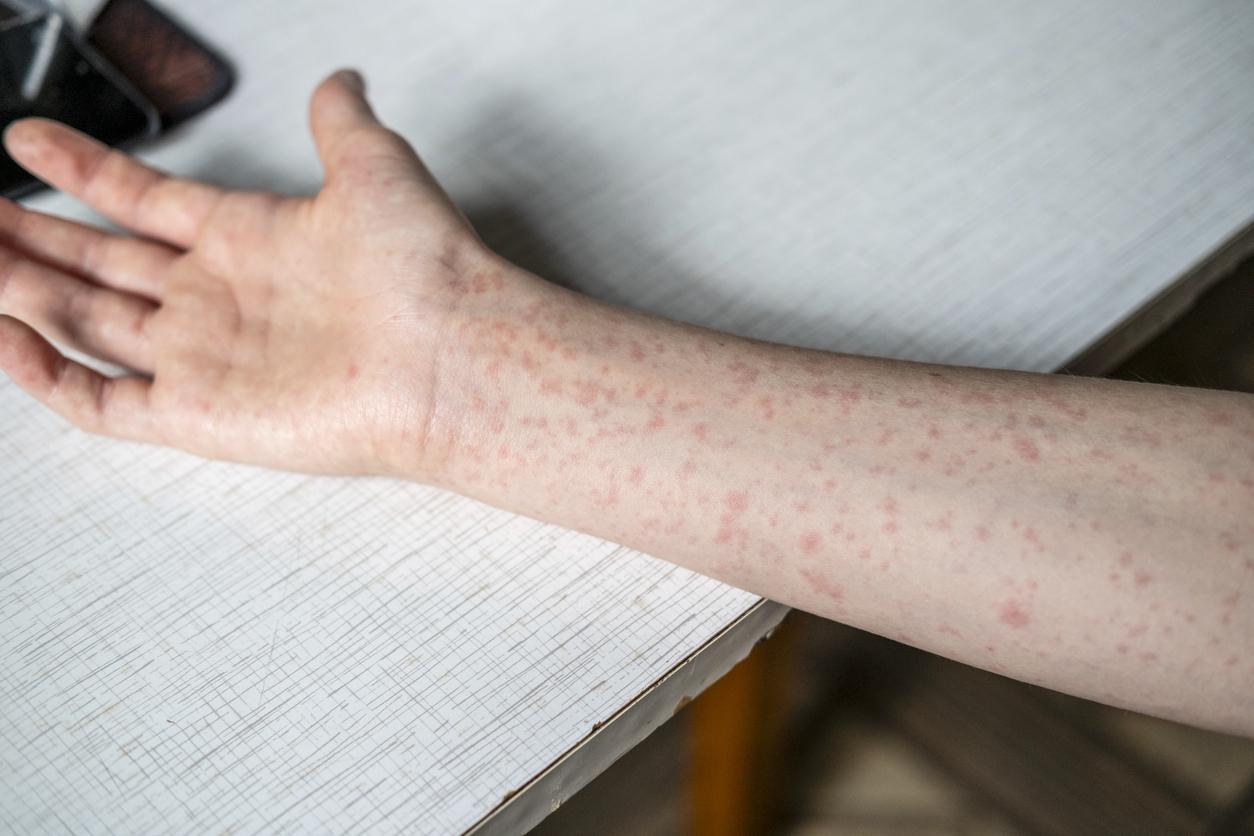
The symptoms reported in this case resembled those caused by other avian flu strains. These include fever, coughing, breathing difficulty, fatigue, and sudden chest discomfort. Because early signs can look like seasonal infections, people are urged to seek medical advice if they experience severe or rapid deterioration after contact with sick birds. Quick testing improves outcomes and helps health teams act sooner.
Preventive Measures for the Community
Although the overall threat remains low, residents can still lower the risk by avoiding direct contact with sick or dead birds. They can also report unusual bird deaths to local authorities so that wildlife teams can investigate. Proper hygiene, including handwashing after visiting farms or outdoor areas, further reduces exposure. These common precautions matter because they break possible chains of transmission.
Ongoing Investigation and Future Steps
Authorities continue to study the genetic structure of the virus to understand how it moved from birds to humans. Their research will help shape future guidelines and strengthen early detection systems. Since global travel and climate shifts often influence disease patterns, ongoing monitoring will remain important. Even though this appears to be a rare event, it still reminds public health teams to stay prepared for unexpected developments.
Conclusion
This tragic case highlights how unpredictable emerging infections can be. Still, state officials are responding quickly, offering clear guidance, and working to prevent further issues. As the investigation continues, the public will receive updates so they can stay informed while going about their daily lives.