
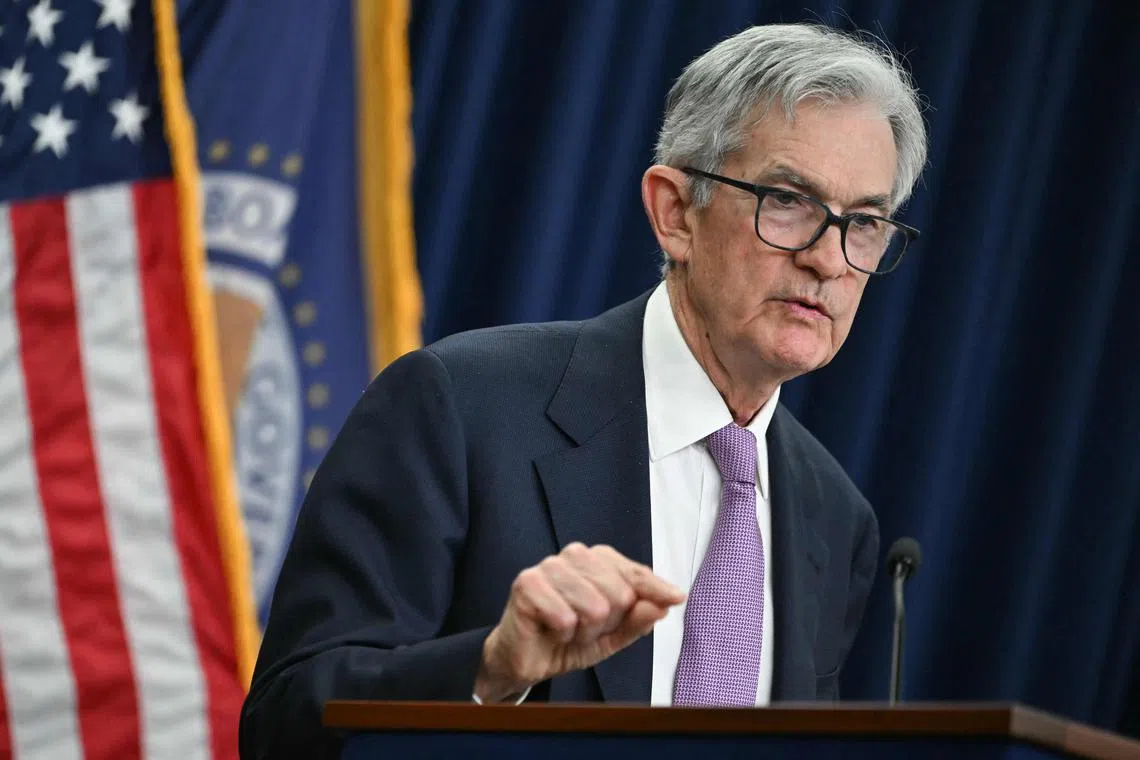
Washington, D.C. — October 28, 2025:
Federal Reserve Chair Jerome Powell has cautioned investors and analysts not to expect a rate cut in December, sending ripples across global markets and cooling optimism for a rapid policy shift. Despite the central bank’s recent quarter-point reduction, Powell made it clear that future cuts are not guaranteed.
Fed Takes a Cautious Approach
Speaking after the Fed’s latest policy meeting, Powell emphasized that the committee remains data-dependent and is not following a pre-set course for monetary easing. “A further reduction in the policy rate at the December meeting is far from certain,” he said, adding that members of the Federal Open Market Committee (FOMC) are sharply divided on the path forward.
Powell noted that while some progress has been made in taming inflation, price pressures remain stubborn, particularly in services and housing. “We’re encouraged by recent data,” he said, “but inflation is still running above our target. We will need more consistent evidence before adjusting policy further.”
Market Reaction Swift and Sharp
Financial markets reacted instantly to Powell’s comments. The Dow Jones Industrial Average gave up early gains, Treasury yields edged higher, and the dollar strengthened as traders recalibrated expectations for the next move. Futures markets, which earlier priced in a near-certain December cut, now assign less than a 60% chance of further easing this year.
Bond yields, particularly on the two-year Treasury, spiked following Powell’s remarks — a signal that investors expect rates to remain elevated longer than previously thought. Meanwhile, major U.S. indexes saw mild declines as investors digested the central bank’s cautious stance.
Inflation and Labor Data Remain Key
The Fed’s hesitation stems largely from mixed economic data. Inflation, though easing from its pandemic highs, remains above 2%, the Fed’s long-term goal. Persistent service-sector inflation and higher housing costs continue to weigh on policymakers’ decisions.
On the labor front, Powell acknowledged signs of cooling — including slower job creation and moderate wage growth — but insisted the job market remains fundamentally strong. “We’re seeing some softening, but not weakness,” he said. “There’s no evidence of a major downturn in employment.”
Internal Divisions at the Fed
The meeting revealed notable divisions within the committee. Two FOMC members dissented — one favoring a larger cut, another preferring to hold rates steady. The split underscores the uncertainty facing policymakers as they balance slowing economic momentum with persistent inflation pressures.
Powell stressed that the Fed would proceed “meeting by meeting,” assessing the economy’s progress before making additional moves. “We’re not on a preset course,” he said. “Our focus remains on achieving price stability while supporting a sustainable labor market.”
Policy Outlook: “Higher for Longer”
Economists interpret Powell’s remarks as a sign that interest rates may remain higher for longer than markets anticipated. The central bank’s cautious tone suggests that while future cuts remain possible, they will likely depend on incoming data over the next few months.
If inflation continues to cool and the labor market weakens further, a December cut could still materialize. However, should price pressures persist, the Fed may choose to pause until early 2026, reinforcing its commitment to controlling inflation before easing policy further.
Global Implications
Powell’s stance also carries implications beyond U.S. borders. A stronger dollar could pressure emerging markets and tighten global financial conditions. For investors, the Fed’s caution means greater market volatility in the weeks ahead — especially as economic data and corporate earnings guide expectations for 2026.
The Bottom Line
Jerome Powell’s latest message leaves little doubt: the Fed is not ready to declare victory over inflation. With economic uncertainty lingering and data gaps from the government shutdown complicating forecasts, the central bank is steering carefully. For now, December remains a question mark — and markets are bracing for turbulence.