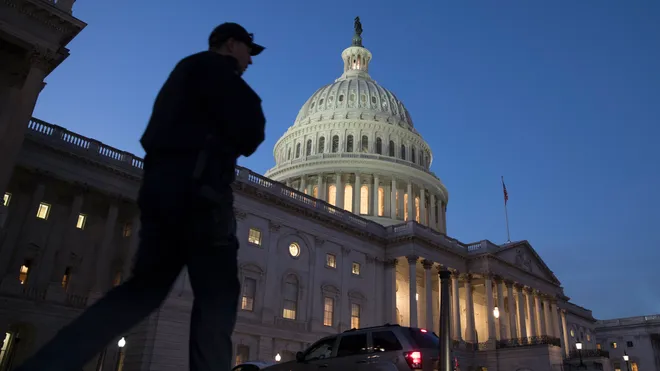
The latest government shutdown has once again left the U.S. system under strain, highlighting deep cracks in how Congress manages federal funding. With lawmakers locked in a political stalemate, essential services are disrupted, workers face pay uncertainty, and the economy braces for billions in losses.
Immediate Impact on Federal Employees and Services
Hundreds of thousands of federal employees face furloughs or must work without pay. Agencies such as the Internal Revenue Service, the Department of Transportation, and the Environmental Protection Agency operate at minimal capacity. Processing tax returns, overseeing airport security, and conducting environmental inspections have slowed or paused, causing ripple effects for businesses and citizens alike.
Economic Repercussions
Economists warn that prolonged shutdowns could create lasting economic consequences. Delayed payments leave federal contractors uncertain about their finances. Businesses that rely on government projects must scale back operations. Consumer confidence drops as uncertainty over public services and federal spending disrupts household budgets and investment plans.
Political Gridlock in Focus
The shutdown highlights deep divisions in Congress and the executive branch. Federal budget negotiations repeatedly stall, reflecting an entrenched partisan divide. Critics argue that repeated shutdowns reveal systemic flaws in government funding. They also warn that short-term political maneuvering often overrides long-term governance.
Social and Public Services Under Pressure
Ordinary Americans experience disruptions in daily services. National parks close, visa and passport applications face delays, and public health programs pause. Vulnerable populations, including low-income families relying on federal assistance, face the greatest hardships. These disruptions amplify social inequities and public frustration.
Long-Term Implications
Experts caution that repeated shutdowns could erode trust in federal institutions. Frequent political stalemates and service interruptions weaken the government’s ability to respond effectively to crises, from natural disasters to public health emergencies. Analysts say this dysfunction may push lawmakers to consider reforms that reduce the risk of future shutdowns, though concrete action remains uncertain.
Public Sentiment and Outlook
Public criticism of both parties is growing. Americans express frustration at political leaders’ inability to reach a consensus as the shutdown continues. Families, businesses, and federal employees navigate immediate disruptions while waiting for a resolution.
The U.S. government shutdown exposes deep cracks in the system, highlighting vulnerabilities in governance and political processes. The coming weeks will test whether leaders can restore stability and public confidence.