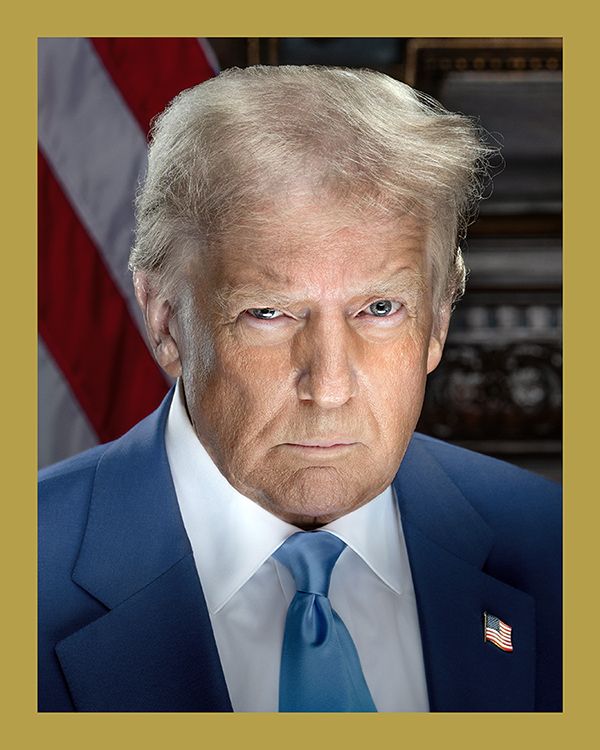
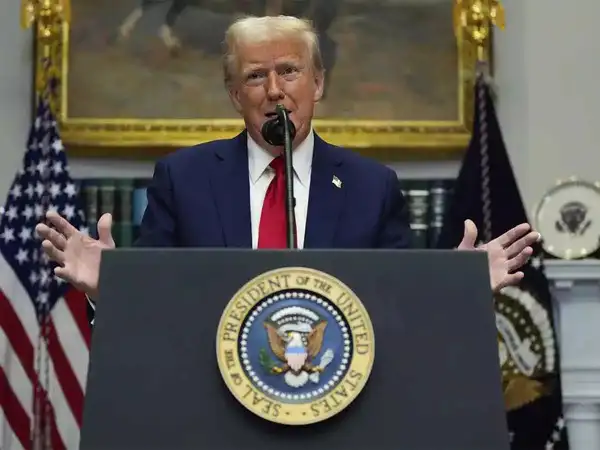
Trump’s Explosive UN Speech captured global attention as he fiercely criticized Russia while strongly backing Israel. The fiery address at the United Nations highlighted U.S. foreign policy priorities, sovereignty, and global security, sparking both praise and controversy among world leaders.
Direct Rebuke of Russia
Former U.S. President Donald Trump delivered a fiery address at the United Nations, drawing attention from world leaders for his sharp words against Russia. He accused Moscow of destabilizing Europe, threatening global peace, and using energy dependency and cyber tactics to expand influence. Trump urged nations to hold Russia accountable, warning that the United States would not tolerate threats to sovereignty or acts of intimidation.
Strong Support for Israel
Alongside his Russia critique, Trump reaffirmed his unwavering support for Israel. He praised the country as a vital U.S. ally in the Middle East, stressing shared democratic values and security interests. Moreover, he highlighted Israel’s role in countering terrorism, preventing nuclear proliferation, and maintaining regional stability. His remarks drew applause from Israeli representatives but also sparked strong reactions across the Arab bloc.
Calls for UN Reform
Transitioning to global institutions, Trump criticized what he described as “bureaucratic overreach” within multinational organizations. He argued that such bodies often serve elite interests instead of ordinary citizens. Therefore, he called for reforms that would push the UN to act decisively on crises instead of engaging in endless debates.
America First Themes
Trump also touched on economic issues, emphasizing fair trade and energy independence. He warned nations not to over-rely on hostile powers for resources. In addition, he reiterated his support for strong domestic industries. His speech carried a familiar “America First” tone, but he framed it as part of a broader call for every nation to reclaim control of its destiny.
Mixed Global Reactions
Reactions to Trump’s speech were divided. Supporters praised his boldness and refusal to sugarcoat difficult issues. However, critics argued that his remarks could alienate allies and escalate tensions with Russia. While his pro-Israel stance pleased some nations, diplomats warned it might complicate fragile Middle East negotiations.
Ongoing Global Influence
Despite leaving office, Trump’s words carried weight on the international stage. His strong rebuke of Russia and firm support for Israel reinforced his continuing influence in global politics. By the end of his address, he struck a defiant tone: “The world cannot afford weakness. Nations must be strong, proud, and free.” The UN hall responded with a mix of applause, murmurs, and unease — a fitting reflection of his polarizing presence.