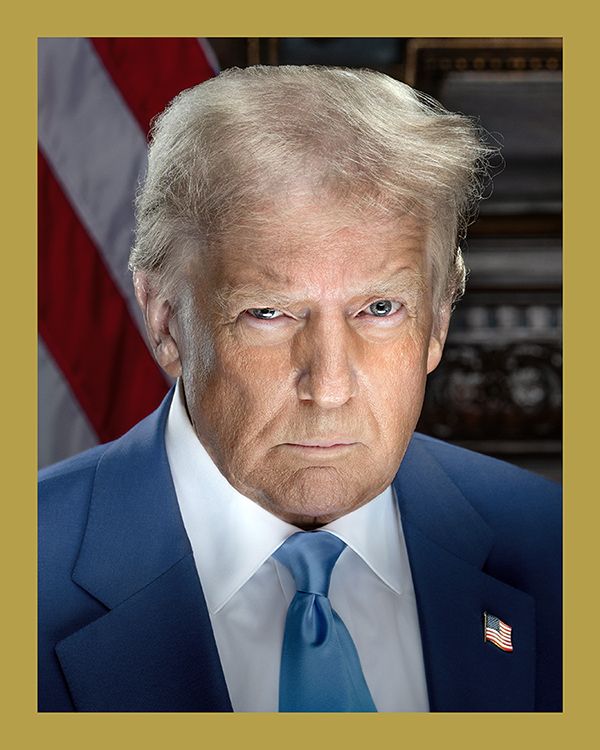
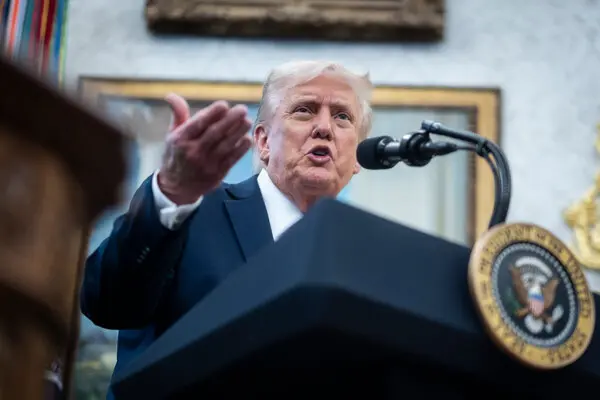
In a significant escalation of U.S. counter-narcotics strategy, Trump Declares War on Drug Cartels: U.S. President Donald Trump has officially declared that the United States is engaged in a formal “armed conflict” with drug cartels, which his administration has designated as “terrorist organizations.” This declaration, communicated to Congress in a confidential memo, follows a series of U.S. military strikes on vessels in the Caribbean suspected of transporting illicit drugs.
S. Classifies Cartels as Unlawful Combatants, Military Strikes Intensify
The U.S. government has formally classified several drug cartels as “unlawful combatants.” According to a confidential memo, the United States is now engaged in a “non-international armed conflict” with these groups. This designation allows for military operations under the law of armed conflict. It frames drug trafficking as an act of war.
The administration specifically highlighted Mexico’s Sinaloa Cartel, El Salvador’s MS-13, and Venezuela’s Tren de Aragua as major threats. Their involvement in drug smuggling and violent crime poses serious risks to U.S. national security.
Recent U.S. military strikes in the Caribbean targeted vessels suspected of transporting illicit drugs, including some from Venezuela. These strikes resulted in at least 17 deaths. The White House argues these operations were necessary to protect American citizens from ongoing threats posed by the cartels.
Legal Concerns and Congressional Pushback
Legal experts and lawmakers have expressed concerns over the administration’s approach. Critics say it bypasses congressional approval and due process protections. Senator Jack Reed and Representative Adam Schiff have announced plans to introduce legislation. The goal is to restrict future military strikes unless explicitly authorized by Congress.
The White House has dismissed these concerns. Officials claim the declaration is not a new war policy but a legal justification for ongoing operations under existing authorities. However, the limited communication with Congress and the classified nature of briefings have fueled debates about presidential war powers.
International Reactions and Criticism
The Venezuelan government strongly condemned the U.S. military actions. President Nicolás Maduro described the strikes as acts of aggression and warned of potential consequences. The international community is divided: some allies support the U.S. approach, while others urge restraint.
This controversy highlights the tension between national security priorities and international law. The strikes raise questions about extrajudicial killings and the legality of targeting non-state actors abroad.
A New Chapter in U.S. Policy Against Drug Cartels
This move marks a major shift in U.S. foreign policy. The administration now treats drug cartels as armed combatants rather than just criminal organizations. This approach could set a precedent for future military operations against non-state actors involved in illicit activities.
However, the lack of congressional authorization and the risk of escalating conflicts raises concerns about the balance of power between the executive and legislative branches. As the situation develops, Congress’s response will be critical. Whether these actions withstand legal challenges remains uncertain.
The declaration of an “armed conflict” with drug cartels represents a new chapter in the United States’ fight against transnational organized crime. It signals a more aggressive and militarized approach to combating drug trafficking networks.