1. Rising Tensions Amid Trump Blitz in Chicago
The Trump blitz in Chicago has caused unprecedented disruption as federal agents deployed across the city. Residents report that daily life is upended, businesses face interruptions, and tensions have intensified in neighborhoods already struggling with crime and economic challenges. Moreover, local leaders express concern that this federal operation may be politically motivated, while community members fear it creates more chaos than safety.
2. What the Trump Blitz in Chicago Entails
The Trump blitz in Chicago involves federal agents patrolling streets, intersections, and public spaces to combat violent crime and illegal firearms. Although local police coordinate with federal authorities, residents say the sudden presence of armed agents makes neighborhoods feel tense and unwelcoming. Furthermore, community groups warn that militarized operations may undermine trust in law enforcement rather than enhance security.
3. Federal Actions Spark Controversy Amid Trump Blitz in Chicago
Officials claim the operation targets gangs and organized crime, yet many critics argue that the Trump blitz in Chicago bypasses local authorities and disrupts existing crime-fighting strategies. In addition, some police officers report that federal involvement occasionally interferes with established procedures, creating confusion and inefficiencies in addressing local crime. Consequently, the operation has sparked a debate over federal jurisdiction and the best methods to protect communities.
4. Impact on Daily Life During Trump Blitz in Chicago
Residents describe the city as being transformed into a tense environment, with disruptions to schools, public transportation, and businesses. For instance, some neighborhoods have seen temporary shop closures, limited park access, and security checkpoints that restrict movement. As a result, anxiety levels among parents, workers, and students have risen, with many reporting fear of confrontations with armed agents.
Moreover, local businesses are concerned about the economic impact. Customers avoid commercial districts due to the federal presence, compounding financial challenges from previous pandemic-related setbacks. Therefore, some business owners fear long-term revenue losses if operations continue without clear guidelines.
5. Community Response to Trump Blitz in Chicago
Civil rights advocates and community organizations have condemned the federal operation, claiming it prioritizes visibility over effective crime prevention. Meanwhile, public demonstrations and protests have emerged, highlighting concerns about civil liberties, excessive force, and accountability. Residents say the militarized approach has alienated communities already grappling with crime, rather than fostering collaboration with law enforcement.
Furthermore, critics warn that heightened federal presence may escalate tensions and undermine community trust. Consequently, many emphasize the need for transparent communication and community-focused strategies to address safety concerns.
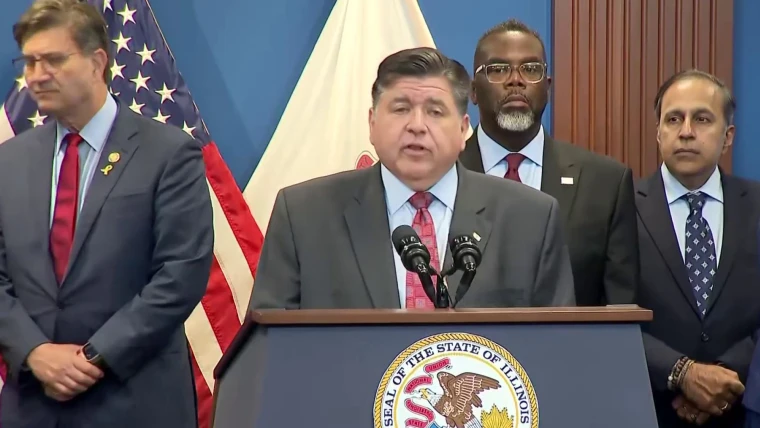
The operation has sparked a national debate over federal involvement in city-level law enforcement. Supporters argue the Trump blitz in Chicago is necessary to curb violent crime, while opponents insist it undermines local governance and public trust. In particular, city officials stress that long-term safety solutions should focus on community-based policing, not temporary militarized interventions.
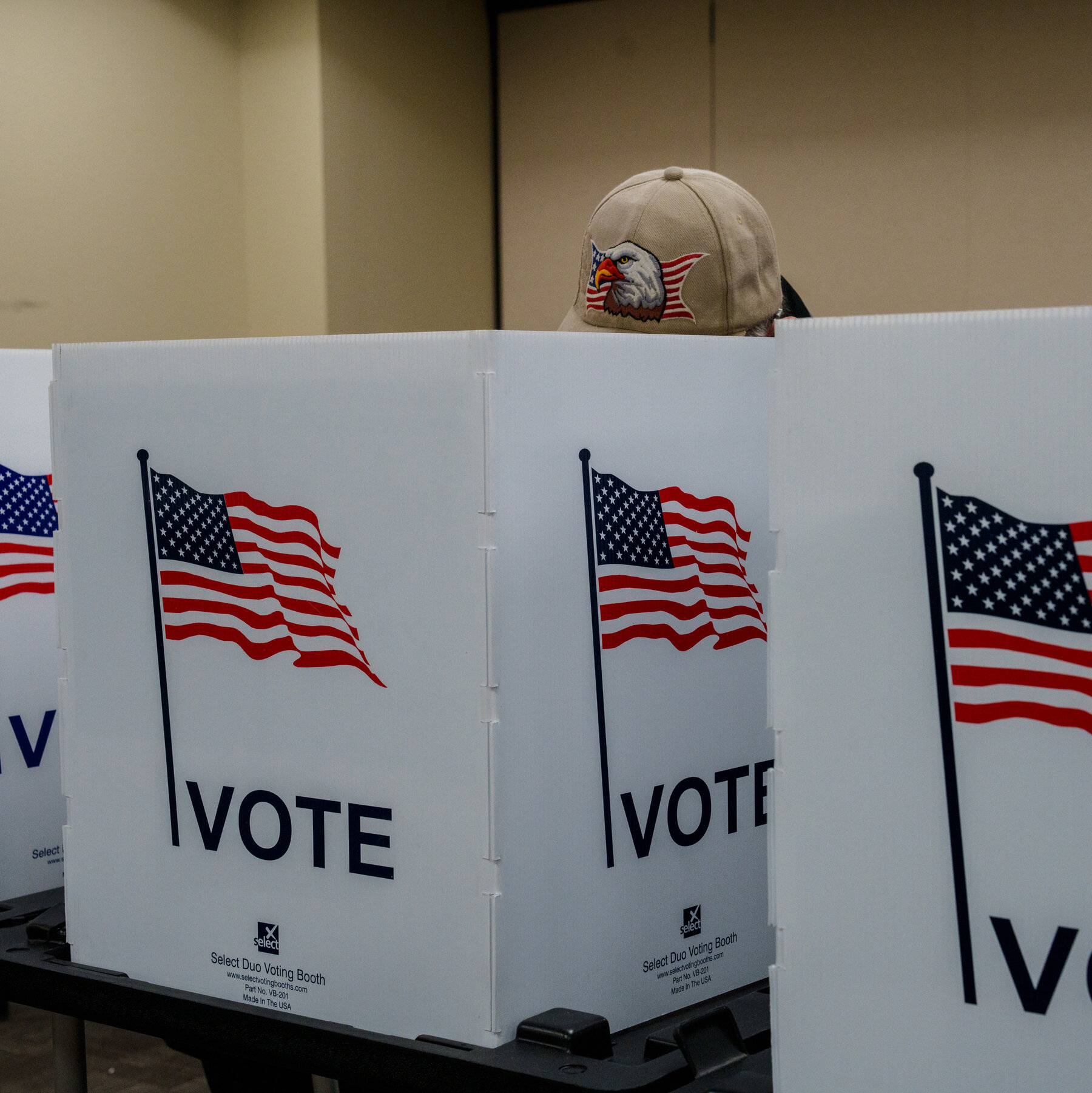
Meanwhile, analysts note that the federal presence could influence political dynamics, shaping public opinion and upcoming elections. Therefore, the operation is as much a political story as it is a law enforcement action.
7. Looking Ahead: Chicago and Federal Oversight
As the operation continues, officials, residents, and advocacy groups are calling for transparency and accountability. In addition, discussions about collaboration between federal and local agencies aim to ensure that crime prevention does not compromise civil liberties. Ultimately, Chicago’s experience with the Trump blitz in Chicago serves as a cautionary tale about the potential consequences of aggressive federal intervention in urban communities.