
Cholesterol plays a crucial role in your body, but too much of it can lead to serious health problems. It helps build cells and produce hormones, yet an imbalance may increase the risk of heart disease. Many people wonder whether there’s an exact goal for cholesterol levels. The truth is that aiming for a balanced number, rather than extremely low or high values, supports long-term heart health.
Types of Cholesterol and Their Role
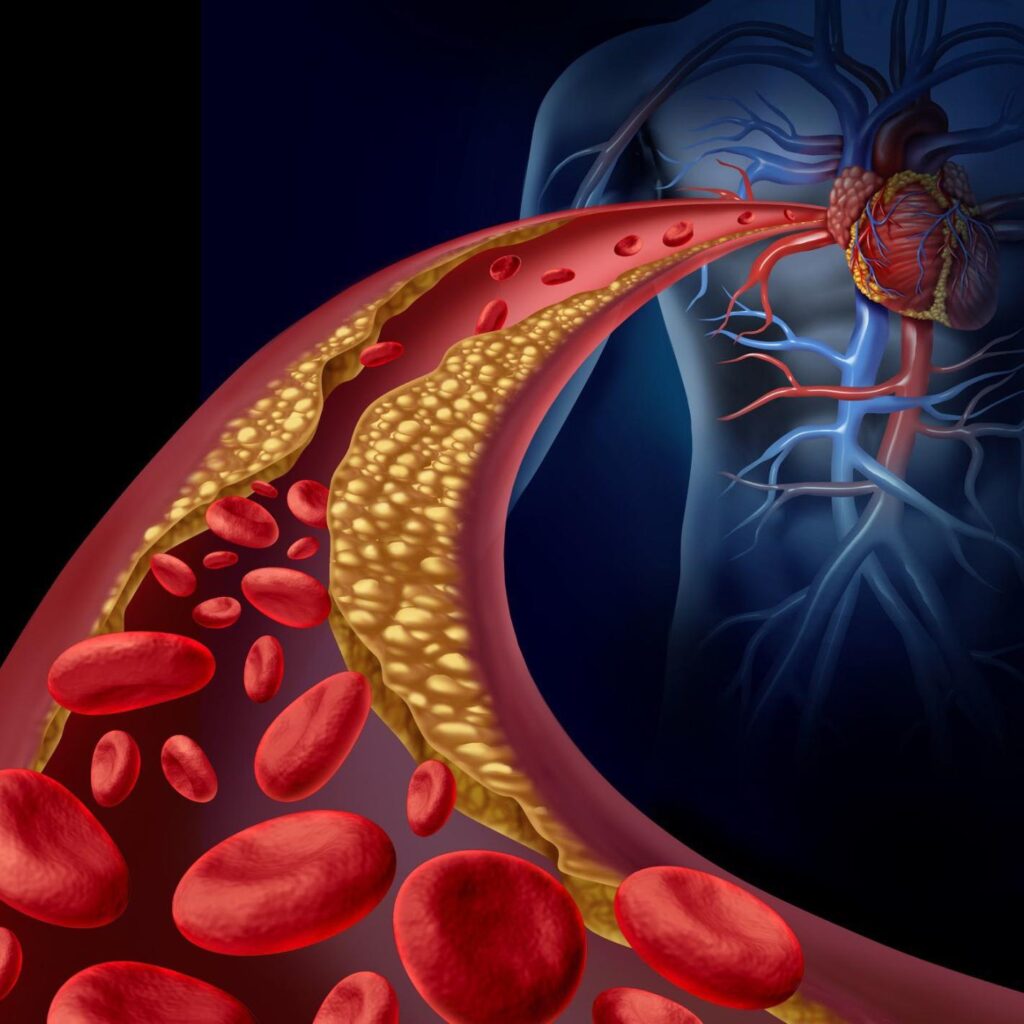
Cholesterol is divided into two main types: LDL and HDL. LDL, often known as “bad” cholesterol, can accumulate in your arteries, leading to plaque buildup. This buildup makes it harder for blood to flow smoothly, increasing the risk of a heart attack or stroke. HDL, or “good” cholesterol, helps remove excess cholesterol from your bloodstream, carrying it back to the liver for removal. A healthy balance between the two is essential for maintaining cardiovascular wellness.
The Ideal Cholesterol Targets
For most adults, total cholesterol should stay below 200 milligrams per deciliter (mg/dL). LDL should ideally be under 100 mg/dL, while HDL levels should remain above 40 mg/dL for men and 50 mg/dL for women. Triglycerides, another type of fat in the blood, should be kept below 150 mg/dL. These figures serve as general goals and may vary slightly depending on your overall health, age, and family history. Maintaining these levels helps protect your heart and reduce inflammation throughout the body.
Why Balanced Levels Matter
Keeping your cholesterol within the recommended range supports blood vessel health and lowers the risk of heart-related complications. When LDL levels rise, plaque begins to narrow arteries, forcing your heart to work harder. In contrast, higher HDL levels act as a natural cleanser, sweeping away harmful cholesterol. Maintaining this balance promotes better blood flow and reduces the strain on your cardiovascular system.
Lifestyle Changes That Make a Difference
Diet and exercise are the most effective ways to manage cholesterol levels. Choose foods rich in fiber, such as oats, fruits, and vegetables, to naturally lower LDL. Replace saturated fats with healthier fats like olive oil and nuts. Regular physical activity, even brisk walking, boosts HDL and keeps your heart strong. Limiting alcohol and quitting smoking also make a big difference, helping you stay within your ideal cholesterol range.
Regular Testing and Monitoring
Monitoring your cholesterol levels regularly helps track progress and detect any changes early. Routine blood tests can reveal whether your current lifestyle is effective or needs adjustment. If your levels remain high despite healthy habits, consulting a medical professional for personalized guidance is important. Regular checkups keep your health in focus and prevent long-term complications.
Achieving and Maintaining Healthy Levels
Reaching ideal cholesterol numbers is not about quick fixes—it’s about consistent effort. Small daily choices, like eating balanced meals and staying active, lead to lasting results. Managing stress also plays a role, as chronic stress can negatively impact cholesterol and overall heart function. With steady focus and discipline, maintaining the right cholesterol levels becomes a natural part of your wellness routine.
Final Thoughts
There is definitely a goal to aim for when it comes to cholesterol levels. Striving for balance, rather than perfection, is the key to lifelong heart health. By understanding your body’s needs, making smart dietary decisions, and keeping active, you can achieve optimal levels and reduce your risk of heart disease. Regular testing ensures you stay on track and enjoy a healthier future.