On paper, The Choral arrives with everything needed for success. The story unfolds during World War I and centers on a British choral society struggling to survive as war reshapes daily life. With Ralph Fiennes leading the cast, expectations naturally rise. Moreover, the collaboration between director Nicholas Hytner and writer Alan Bennett suggests refined storytelling and emotional depth.
However, while the ingredients promise something stirring, the final result feels surprisingly muted. The film reaches for resonance, yet it often settles for restraint instead of release.
A Story Rooted in Music and War
The narrative follows a community bound together by song as the First World War steadily drains its members. Men depart for the front, traditions fray, and music becomes both refuge and reminder of loss. At its core, the film wants to explore how art sustains people during moments of crisis. That idea carries power, especially given the era.
Yet the storytelling moves cautiously. Scenes often linger on conversations that circle familiar ideas about duty and sacrifice. As a result, momentum slows. Although the emotional stakes remain clear, they rarely intensify enough to leave a lasting impact.
Ralph Fiennes Delivers, But Can’t Elevate Everything
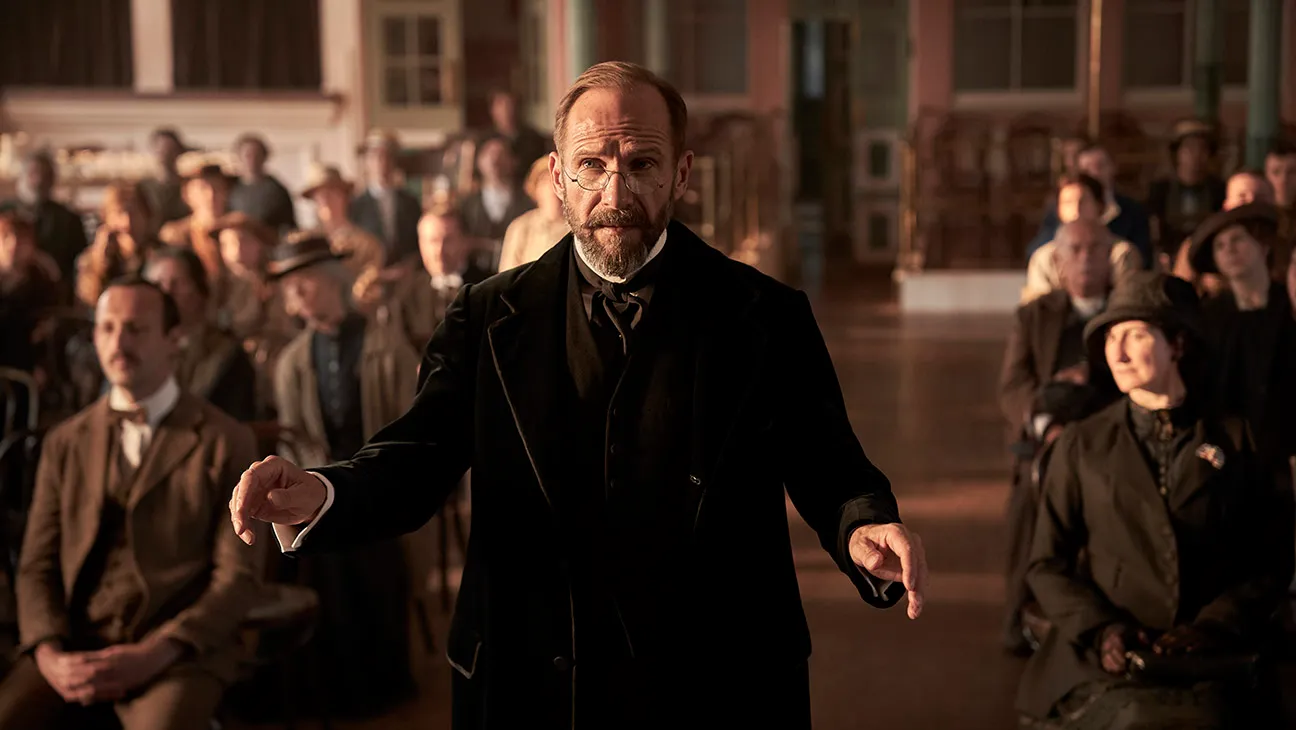
Ralph Fiennes brings his usual precision to the role. He conveys authority, vulnerability, and quiet regret with subtle shifts in expression. His performance feels grounded and thoughtful, offering glimpses of the richer film that might have been.
Still, even his skill has limits. The character’s arc lacks sharp turns, which restricts how far Fiennes can push the performance. He reacts beautifully to the world around him, but that world rarely challenges him in surprising ways. Consequently, the performance stands out more than the story supporting it.
Direction That Favors Restraint Over Urgency
Nicholas Hytner directs with elegance and control. Visually, the film reflects its period with care. Costumes, interiors, and muted colors capture a society living under strain. The choral performances, when they appear, feel authentic and measured.
However, restraint dominates nearly every choice. While subtlety can enrich drama, here it often drains urgency. War remains present but distant. Tragedy arrives softly, then passes just as quietly. Because of this, the film struggles to build emotional crescendos that match its musical themes.
Alan Bennett’s Script Feels Too Polite
Alan Bennett’s screenplay delivers sharp dialogue and dry wit, traits long associated with his writing. Certain exchanges sparkle with intelligence and cultural insight. The script clearly understands British social structures of the era and portrays them with accuracy.
Even so, the writing rarely risks discomfort. Emotional conflicts surface, but they resolve quickly or fade into reflection. As a result, the script feels more observational than immersive. It tells us what war does to people, yet it rarely makes us feel it deeply.
Themes That Never Fully Harmonize
The film explores community, loss, and the sustaining power of music. These themes should interlock naturally. Instead, they often sit beside each other without blending. Music, in particular, never becomes as central as the title suggests. The choral moments feel symbolic rather than transformative.
Because of this, the emotional payoff weakens. The audience understands the message, but the film struggles to make that message resonate on a visceral level.
A Respectable Drama That Falls Short
Ultimately, The Choral earns respect but not passion. It looks polished, sounds intelligent, and features committed performances. However, it rarely takes the emotional leaps needed to truly sing. Transitioning from scene to scene, the film maintains consistency but avoids intensity.
For viewers drawn to quiet historical dramas, it may still hold appeal. Yet for those hoping for a deeply moving World War I story, the experience feels restrained to a fault. Even with Ralph Fiennes at his best, this drama never quite reaches the powerful harmony it promises.