
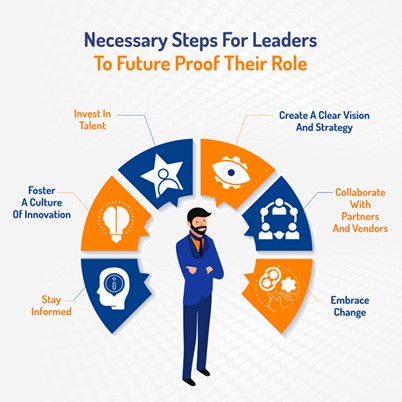
Tech leadership moves are accelerating across the global research and advanced engineering industry, and these shifts signal major change in direction, culture, and future innovation. The latest tech leadership moves involve a major research hub appointing a new senior executive, a cloud technology visionary shifting roles inside a leading digital enterprise, and an advanced energy firm naming a new legal leader to guide regulatory decisions. These tech leadership moves reveal how rapidly organizations are realigning teams, adjusting leadership vision, and creating new frameworks for growth.
New Executive Appointment Enhances Research Vision
The research-focused institute has welcomed a new senior leader with a mandate to reinvent operational efficiency, strengthen internal collaboration, and drive stronger scientific output. This update matters because research organizations must navigate increasing competition for talent, funding, artificial intelligence tools, and long-term research viability. Meanwhile, the newly appointed executive brings extensive management experience and a belief in inter-disciplinary collaboration. In fact, this leadership approach is now crucial since modern research depends on merging experimental science, software, automation, and real-time data modeling. Because of this, the appointment is viewed as a strategic investment in stability and scientific transformation rather than a simple administrative change. Moreover, cultural alignment is expected to help attract new scientific talent.
Cloud Visionary Moves Into Fresh Strategic Role
Another key development in the tech leadership moves timeline involves a senior leader transitioning within a major cloud-infrastructure organization. The shift emphasizes long-term technology architecture, operational scaling, and next-generation cloud service refinement. As tech leadership moves continue, many companies are rethinking how cloud technology must integrate automation, secure data, simplified deployment, and energy-efficient workloads. The internal transition signals confidence in the leader’s proven ability while also freeing focus for research, product experience, and refined workforce productivity. Additionally, internal leadership shifts are often more powerful than external hiring because they preserve organizational knowledge, culture, and system understanding. Consequently, this new role could become a cornerstone for service modernization and strategic enterprise evolution.
Energy Technology Firm Names New Legal Head
A growing energy-technology manufacturer has appointed a new legal officer to guide governance, regulatory protocols, intellectual property, and strategic compliance. This leadership addition is extremely important because the company operates in an industry heavily controlled by safety, environmental, engineering, and licensing regulations. Therefore, choosing a legal executive who understands emerging policy is fundamental for future product releases and large-scale deployment. In addition, the legal officer is expected to build partnerships, develop regulatory communication practices, and safeguard proprietary designs. These tech leadership moves reflect a forward-thinking approach to protecting technology while accelerating market readiness.
Why These Tech Leadership Moves Matter
These tech leadership moves demonstrate how innovation-driven organizations are prioritizing leadership capable of balancing creativity, operational logic, scientific truth, and economic sustainability. Talent selection is no longer based only on management ability. Instead, leaders must navigate artificial intelligence acceleration, automation complexities, evolving global law, advanced cybersecurity threats, and constant workforce adaptation. Also, modern executive roles require emotional intelligence because employees demand purpose, flexibility, and transparent decision-making. As a result, selecting the right leaders now impacts far more than product or research outcomes.
Furthermore, investors and policy groups increasingly monitor organizations through leadership capability rather than product announcements. Strong leaders reduce risk, improve communication clarity, and inspire long-term vision. Meanwhile, organizations stuck with outdated leadership models often struggle with slow adoption, siloed decision-making, and ineffective innovation cycles. Therefore, these tech leadership moves signal competitive readiness.
Conclusion: A Transformational Leadership Landscape
Tech leadership moves are now one of the strongest early indicators of innovation potential. Appointing science-focused executives, shifting digital strategy leaders, and strengthening legal command demonstrates that organizations want adaptable and future-ready leadership structures. The market will continue to reward companies that rethink leadership design and prioritize vision, agility, and responsible growth. These tech leadership moves prove that a new era of corporate leadership is unfolding, and its impact will shape science, digital architecture, and sustainable technology for years to come.