
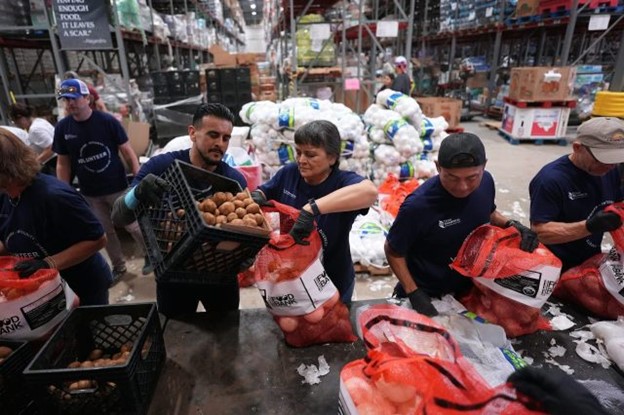
In a shocking turn of events, calls to the National 211 hotline for food assistance have skyrocketed within days, signaling an alarming rise in food insecurity across the nation. Typically, such massive call surges are seen only during major disasters like hurricanes or wildfires. This sudden increase reveals the deepening struggle families face to secure daily meals amid growing economic uncertainty. Many callers are reaching out for the first time, reflecting the widespread impact of inflation, job instability, and rising living costs.
Demand Reaches Disaster-Level Magnitude
Community hotlines like 211 are designed to connect people with essential services, including food, housing, and mental health support. However, in recent days, the system has seen an unprecedented quadrupling of calls for food assistance. The volume of requests now mirrors levels usually experienced after natural catastrophes. Call center operators describe overwhelmed lines, with people waiting longer for help. Such a sharp escalation indicates that the need for immediate relief has reached a national crisis point.
Economic Strain Behind the Surge
Experts point to multiple factors driving this rise. Persistent inflation continues to squeeze household budgets, while wages struggle to keep pace with rising costs. Grocery prices have soared, forcing families to choose between paying for rent, utilities, or food. Low-income and working-class households feel the brunt of this burden most heavily. Many of them previously managed to get by without assistance but now find themselves depending on local food pantries and helplines just to survive.
Communities Under Pressure
Across cities and rural towns, community organizations are racing to keep up with growing needs. Food banks are reporting empty shelves, while volunteers are struggling to meet increased demand. Some distribution centers have even started limiting quantities per family to ensure everyone receives something. Community leaders express concern that without urgent government or private intervention, the problem could worsen as colder months approach. Rising utility costs combined with food scarcity could push more families into severe hardship.
The Human Cost of Hunger
Behind the statistics lie stories of real people — parents skipping meals so their children can eat, elderly citizens living on minimal fixed incomes, and workers facing layoffs. Hunger has become a silent emergency affecting millions who never thought they would need help. Emotional distress among callers is also growing, as they express feelings of fear, shame, and hopelessness. Hotline responders are not only offering food resources but also providing emotional support to those struggling mentally and physically.
A Call for Immediate Action
This crisis underscores the urgent need for broader systemic solutions. Expanding access to affordable groceries, strengthening local food networks, and enhancing financial support programs can help relieve the strain. Collaboration between federal agencies, state governments, and local charities is vital to stabilize families in crisis. The spike in 211 hotline calls serves as a powerful reminder that hunger remains a pressing social issue demanding immediate attention.
Conclusion
The quadrupling of calls for food assistance in just a few days reflects more than temporary distress — it marks a critical warning about economic instability and growing inequality. Communities across the nation must unite to ensure no one goes hungry. As the demand for food aid continues to surge, swift and coordinated action could prevent a deepening humanitarian crisis.