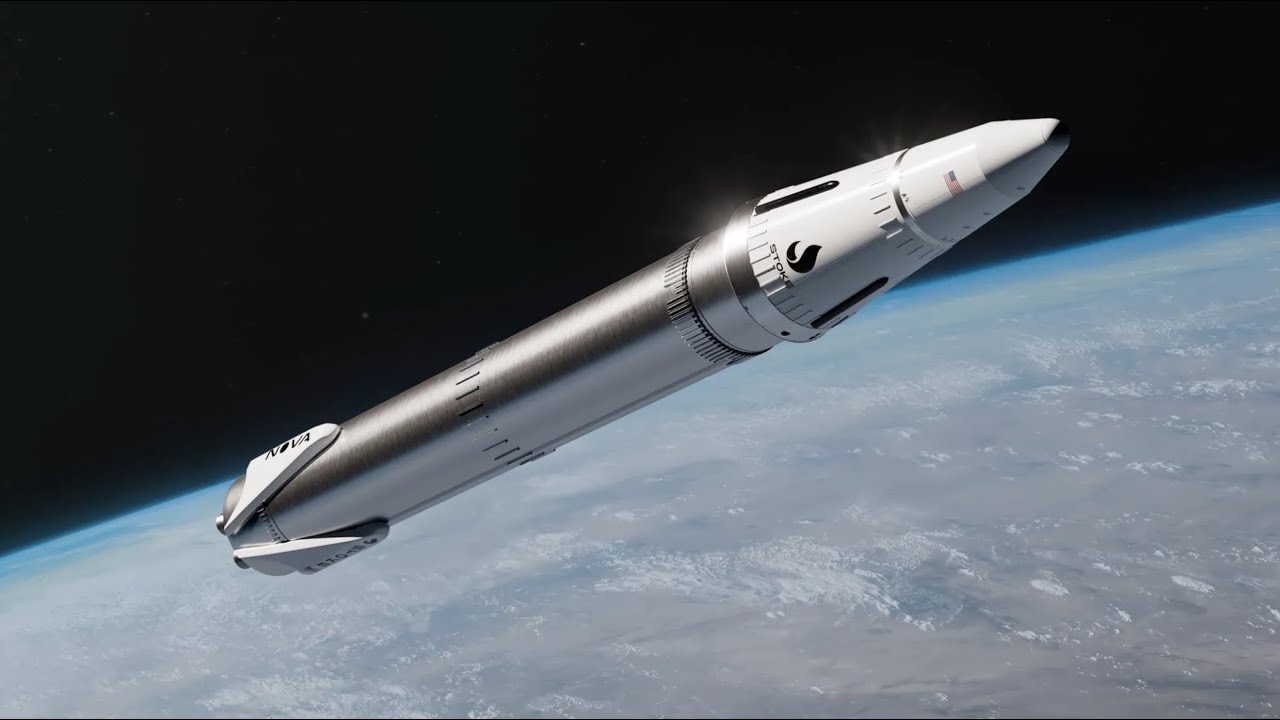
Stoke Space enters a decisive phase in its effort to solve what it calls the only launch challenge that genuinely moves the needle: full-scale, high-frequency, rapid reusability. The company believes that achieving this goal will reshape the entire industry. It also argues that the cost savings from true reusability matter more than any other improvement in the launch business. Because of that, it now pushes harder than ever to deliver a rocket system that can return, refuel, and relaunch with airplane-like speed.
The stakes are high. Yet the team insists that bold action offers the only path forward. As the demand for reliable, fast, and affordable launches grows, the pressure increases. Therefore, the company shifts into aggressive development mode. It now commits to solving the problem that has limited every previous attempt at daily reusability.
A Radical Approach to Rapid Reuse
Most launch firms speak about cutting costs. However, only a few attempt true turnaround speed. Stoke Space claims that rapid reuse matters far more than incremental cost reduction. Consequently, it focuses on hardware that survives reentry heat, structural strain, and repeated cycles without lengthy refurbishment.
Because traditional rockets require extensive repairs, turnaround times stretch into weeks. The company wants to break that pattern. It aims to reuse a full system within hours. This unusual ambition leads to a design where the upper stage returns intact, powered by a novel engine layout. Each component must withstand extreme conditions, yet the company pushes ahead because rapid reuse unlocks a new economic model.
Why the Company Says This Problem Matters Most
Many organizations chase performance. They attempt to lift more mass, burn fuel more efficiently, or optimize flight trajectories. But Stoke Space argues that those gains only help somewhat. In contrast, daily reuse changes the entire cost curve. Because of that, the company calls this goal the only one that truly “moves the needle.”
Rapid reuse increases launch tempo. It also boosts revenue potential. Most importantly, it lowers cost per flight dramatically. The company believes that the future of orbital access depends on solving this single challenge. Therefore, it prepares to run more aggressive tests, even if they push the limits of hardware.
A Go-For-Broke Testing Philosophy
Rather than take cautious steps, the team adopts a go-for-broke mindset. It claims that careful progress often hides failures until late in development. Because of that, it now tests systems at full scale much earlier. This approach risks more damage, but it reveals flaws quickly. As a result, engineers can fix problems before they become too expensive.
This strategy demands courage. It also requires discipline, because each test delivers high-value data. The company knows that failure will happen. Yet it also knows that early failure speeds innovation. Therefore, the team pushes hardware beyond expected limits. It does so to reach a rocket that survives daily reentry cycles.
A Race Against Time and Economics
The space sector grows more competitive each year. New firms enter the market. Existing ones expand their launch cadence. Prices shift quickly. In this environment, the company believes that solving rapid reuse early gives a decisive advantage. It aims to reach orbital tests soon. Each milestone brings it closer to a rocket that relaunches like an aircraft.
However, reaching that goal requires resources. It forces the company to invest heavily in manufacturing, testing, and engine development. Yet it also positions the firm as a leader in next-generation reusability. The strategy may appear risky, but the company claims that the payoff justifies every step.
A Vision of Daily Launch Operations
If the program succeeds, customers could schedule missions with far shorter notice. Satellites could reach orbit faster. Constellations could refresh more often. Supply chains tied to space could change completely. Because of this potential, the company commits fully to the mission.
The vision remains bold: rockets that return, refuel, and fly again with minimal delay. This vision may sound ambitious, yet the company insists it is both necessary and achievable. The next year will determine how close it gets to that reality.