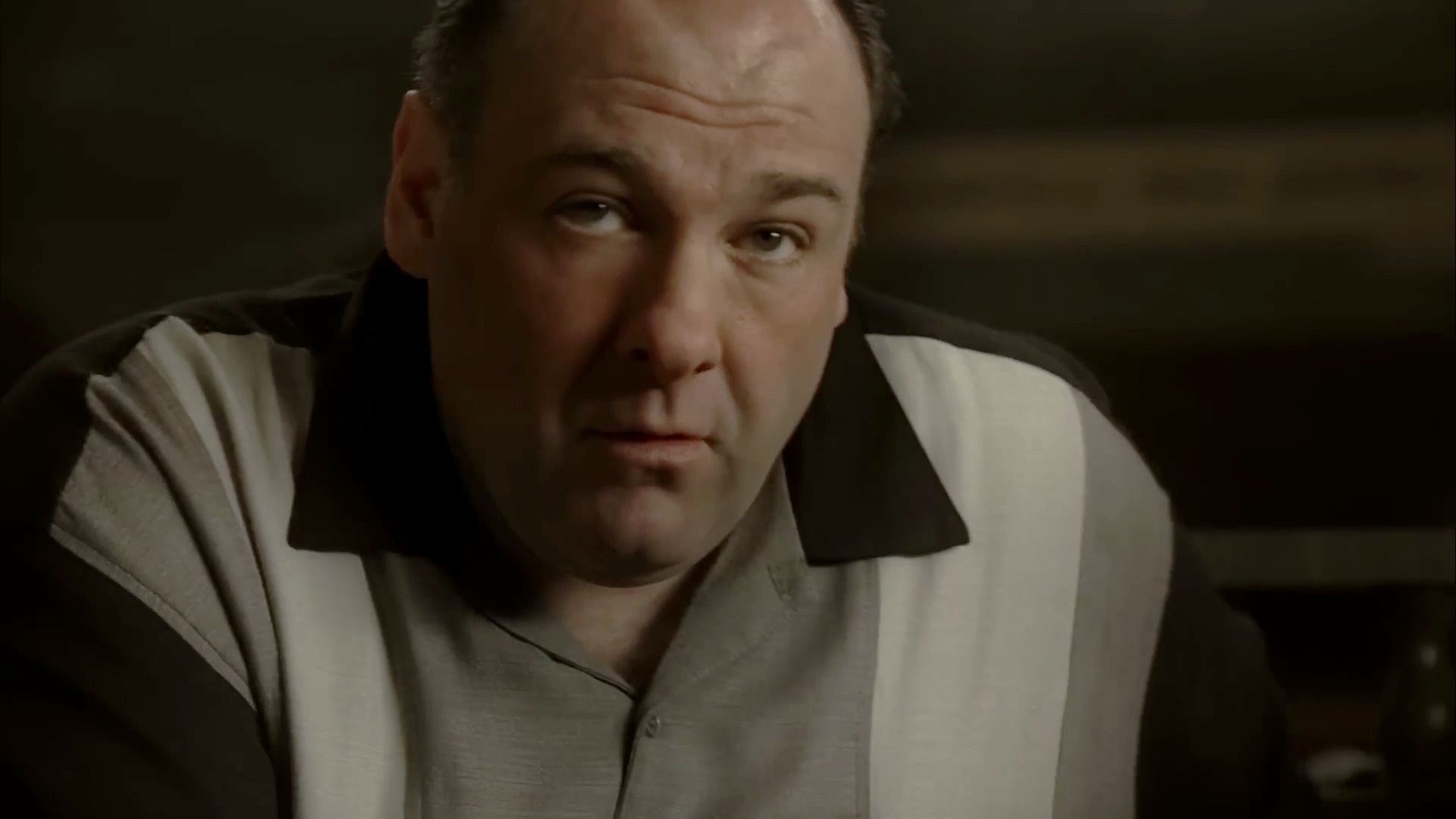
More than a decade after it first aired, the ending of The Sopranos continues to ignite fierce debate. The sudden cut to black in the final moments left viewers stunned, divided, and endlessly curious. Since then, countless theories have emerged, all attempting to explain the fate of mob boss Tony Soprano. One theory, in particular, has gained renewed attention after comments from actor Robert Patrick, who appeared in the series during its later seasons.
While fans have long dissected camera angles, background characters, and even song lyrics, Patrick’s response adds a fresh layer to the conversation. His remarks do not provide a definitive answer. However, they do offer insight into how those involved with the show view its lasting mystery.
Responding to the “Who Killed Tony?” Theory
Patrick recently addressed a popular fan theory suggesting his character played a role in Tony’s fate during the infamous diner scene. According to the actor, such interpretations highlight just how deeply the finale resonated with audiences. He emphasized that the show was designed to provoke thought rather than deliver neat conclusions.
Instead of confirming or denying any single theory, Patrick explained that the ambiguity was intentional. The creators wanted viewers to experience uncertainty, much like Tony himself lived with constant danger. As a result, the ending becomes less about a specific act and more about the ongoing tension that defined Tony’s life.
Moreover, Patrick noted that fans often project their own expectations onto the finale. Some want closure. Others prefer mystery. That split reaction, he suggested, proves the ending succeeded in sparking conversation long after the final episode aired.
Why the Ending Still Matters Today
The Sopranos finale remains influential because it challenged traditional storytelling norms. Rather than resolving every plot thread, it forced audiences to confront discomfort. This approach was bold at the time. Today, it is often credited with paving the way for more complex television narratives.
Patrick acknowledged that many viewers initially felt frustrated. However, over time, that frustration transformed into appreciation. The ending invites repeated viewing, deeper analysis, and ongoing debate. Consequently, it continues to attract new audiences who discover the series years later.
An Unexpected Link to Tulsa King
Beyond discussing the finale, Patrick also revealed a surprising creative connection between The Sopranos and Tulsa King. While the shows differ in tone and setting, they share a similar DNA rooted in character-driven storytelling. Both focus on powerful figures navigating unfamiliar territory while clinging to old rules in a changing world.
Patrick pointed out that fans who appreciated the psychological depth of The Sopranos often find themselves drawn to Tulsa King for similar reasons. The emphasis on flawed leadership, loyalty, and survival creates a thematic bridge between the two series.
Legacy Beyond Answers
Ultimately, Patrick’s response reinforces a key truth about The Sopranos. Its legacy does not depend on solving the mystery of Tony’s fate. Instead, it lies in the emotional and intellectual impact it left behind. The show encouraged viewers to question morality, power, and consequence without offering easy resolutions.
Even today, discussions about the finale feel as alive as ever. With actors like Patrick continuing to engage thoughtfully with fans, the series maintains its relevance. Rather than closing the book on Tony Soprano, the ending ensured his story would live on through endless interpretation.
In that sense, the cut to black was not an ending at all. It was an invitation—one that audiences are still accepting years later.