
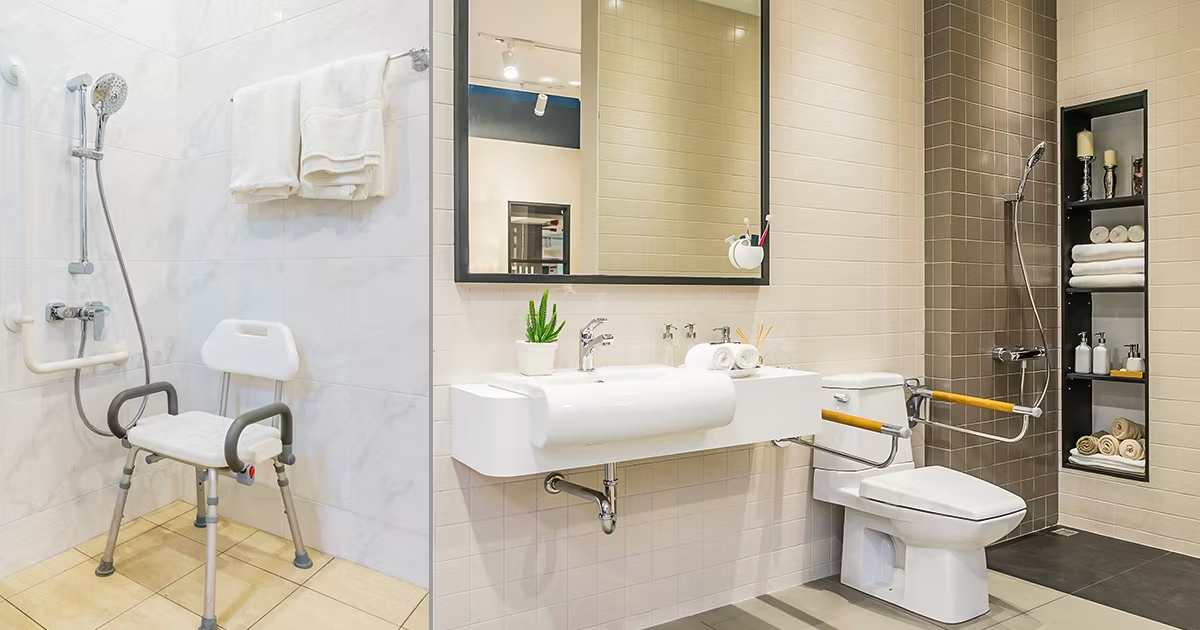
Creating a safe bathroom for older adults is essential. As people age, balance, vision, and mobility can decline, turning bathrooms into hazardous spaces. A few smart modifications can prevent falls and injuries, ensuring independence and confidence.
Identify Common Bathroom Hazards
Bathrooms are high-risk areas due to wet surfaces and slippery floors. Most accidents happen while entering or exiting the bathtub, using the toilet, or reaching for items on high shelves. Recognizing these hazards is the first step to building a safer space. By eliminating clutter, improving visibility, and ensuring steady support, you can minimize the chance of accidents.
Install Supportive Fixtures
Grab bars are crucial safety additions. Place them near the shower, bathtub, and toilet to provide stability. Opt for bars with non-slip grips that can handle body weight. In contrast to towel racks, which are not designed to bear weight, grab bars prevent serious falls. A raised toilet seat also helps older adults avoid strain when sitting or standing.
Choose Non-Slip Surfaces
Wet floors are the leading cause of bathroom injuries. Use non-slip mats inside and outside the shower area. Install textured flooring that provides grip even when wet. Avoid loose rugs or glossy tiles, as they can cause slipping. A walk-in shower with a low or no threshold makes entry safer and reduces tripping risks.
Improve Lighting and Visibility
Proper lighting can make a big difference. Install bright, glare-free lights that cover all corners of the bathroom. Consider motion-sensor lights for nighttime use, helping seniors find their way easily. A well-lit path from the bedroom to the bathroom adds extra safety during the night.
Simplify Bathing Options
Replace traditional tubs with walk-in showers. These designs offer easy access and eliminate the need to climb over high tub edges. Adding a shower chair or bench allows older adults to bathe comfortably and safely. A handheld showerhead provides better control and convenience during bathing.
Temperature Control and Water Safety
Scalding is another hidden danger. Install anti-scald devices on faucets and showerheads to regulate water temperature. Keep the water heater set to a safe level—around 120°F—to avoid burns. Color-coded handles or easy-turn knobs also make water control simpler for those with arthritis or weak grip strength.
Organize and Declutter the Space
Keeping essentials within reach can prevent unnecessary stretching or bending. Arrange toiletries on lower shelves and use labeled containers for easy access. Avoid overcrowding countertops and make sure frequently used items are always in plain sight.
Encourage Safe Habits
Even with modifications, awareness is key. Encourage older adults to take their time, use grab bars, and keep the bathroom floor dry. Regularly check that mats and bars remain secure. Making these small practices a habit can greatly enhance safety.
Final Thoughts
A few thoughtful adjustments can turn a regular bathroom into a senior-friendly space. Focusing on balance, accessibility, and visibility ensures safety without sacrificing comfort. A safer bathroom not only prevents injuries but also promotes independence and peace of mind for older adults.