
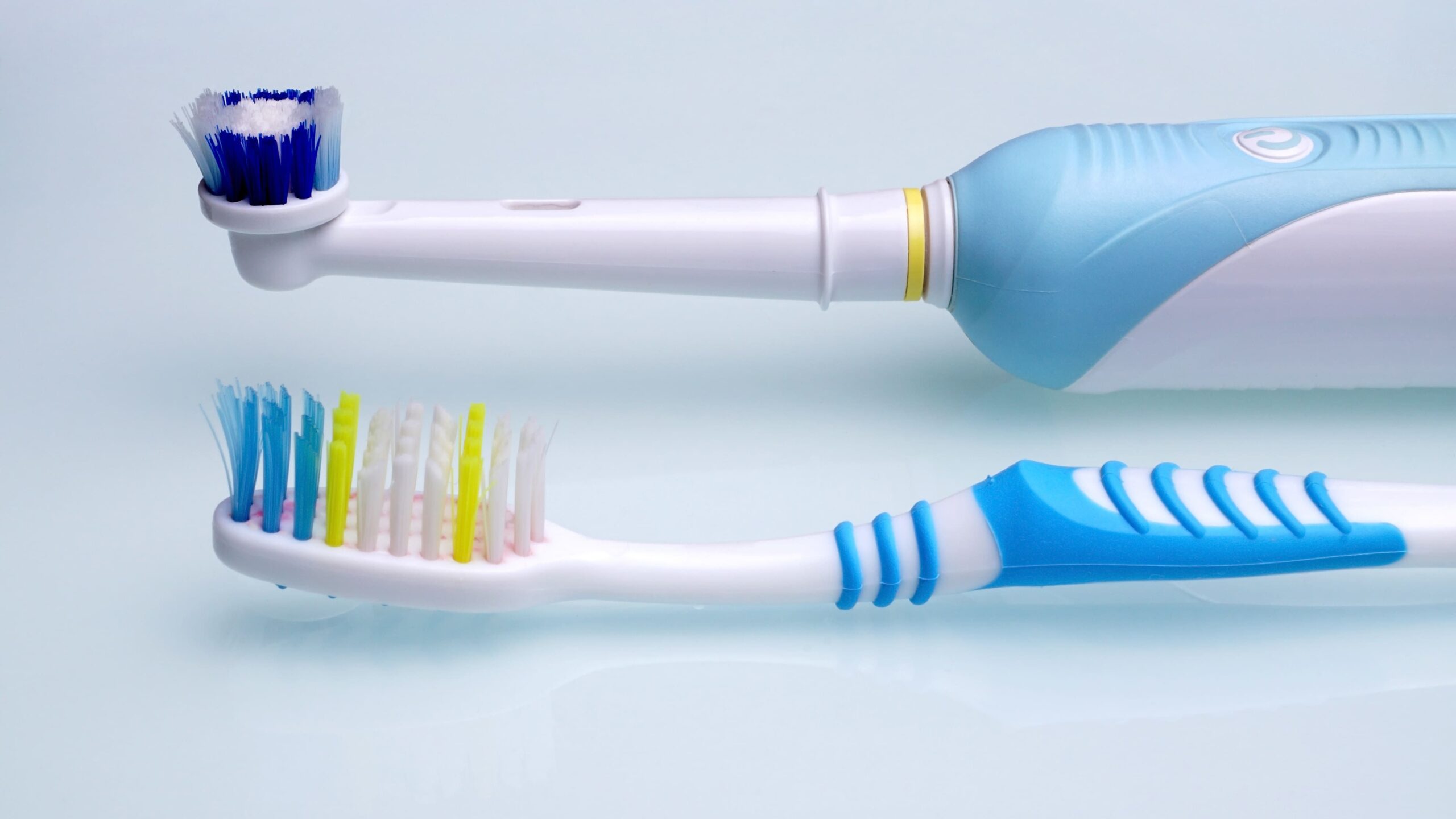
More people are reconsidering their brushing habits as gum issues and plaque buildup rise. As a result, the debate over electric versus manual brushes grows stronger. Many users feel confused because both tools claim to give a thorough clean. However, dental experts now share clearer guidance that helps you decide if a switch truly benefits your daily routine.
How Electric Toothbrushes Actually Work
Electric toothbrushes use rapid, consistent movements. These movements clean areas that many people often miss. Because the brush controls the motion, you use less effort while still achieving a deeper clean. This structure gives an advantage to those who struggle with technique, speed, or pressure control. Moreover, the brush maintains the same level of performance each time.
Why Many Dentists Recommend the Upgrade
Most specialists point to one main advantage: electric brushes help people maintain better brushing habits. A built-in timer guides you through the full brushing duration. This feature prevents rushed sessions, which often leave plaque behind. Additionally, pressure control reminders help you avoid brushing too hard. Hard brushing can damage gums and create long-term sensitivity.
Furthermore, experts say electric brushes help people who have limited wrist movement. This includes older adults and those with mobility challenges. Because the brush does the heavy lifting, brushing becomes easier and more effective. The consistent motion also improves plaque removal along the gumline, where many issues begin.
The Real Difference in Cleaning Results
When comparing cleaning quality, electric brushes frequently give better results. They reach deeper between teeth and along curved surfaces. Many people unknowingly brush unevenly with manual tools. As a result, some areas stay clean while others accumulate plaque. Electric models reduce this gap by offering uniform strokes.
Additionally, electric brushes create micro-movements that lift debris more efficiently. Manual brushes depend on your arm motion, which varies from day to day. With an electric option, the performance stays stable. This stability supports long-term oral health and lowers the risk of gum inflammation.
Do You Truly Need One?
Even though electric brushes offer benefits, you may not need one immediately. If you already maintain excellent brushing habits, your manual brush can still work well. You must brush twice daily, use small strokes, and cover every area. You also need to replace the brush regularly. However, very few people maintain these habits consistently. That inconsistency leads many experts to recommend electric models for everyday use.
Who Benefits Most From Switching
Electric brushes help people who struggle with plaque, gum bleeding, or inconsistent technique. They support children who rush through brushing. They also help adults with braces or dental restorations. Because these situations require precise cleaning, the electric motion makes the process smoother.
Moreover, individuals with sensitive gums often benefit. Electric models apply steady, gentle pressure. This steady control reduces irritation while still lifting plaque.
Final Decision: Is It Worth It?
In the end, the upgrade depends on your personal routine and oral health goals. Many experts agree that electric brushes deliver better long-term results for most people. They simplify technique, support good habits, and improve cleaning depth. Even though a manual brush can still work, an electric option often produces cleaner teeth with less effort. As awareness grows, more users move toward electric models for a healthier, easier brushing experience.