
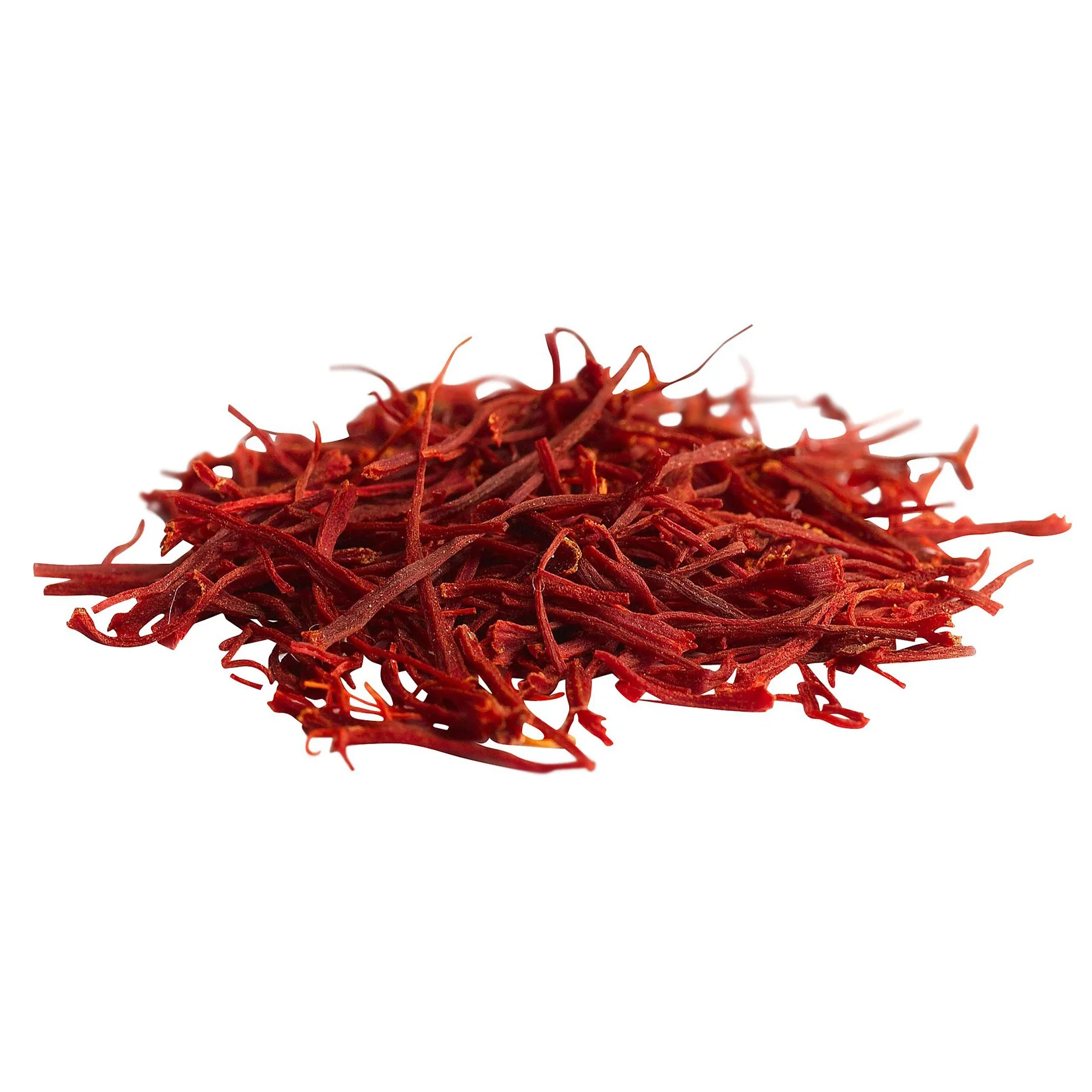
Winter often brings shorter days, reduced sunlight, and longer nights. As a result, many people feel low energy, sluggish motivation, and emotional heaviness. While lifestyle habits like sleep and movement matter, food choices also play a key role in emotional balance. Certain spices support brain chemistry and overall well-being, and saffron stands out as one of the most powerful options.
Unlike many seasonal remedies, saffron works gently yet effectively. It supports emotional stability while also enhancing daily meals. Therefore, it offers both comfort and function during colder months.
What Makes Saffron a Natural Mood Booster
Saffron contains unique plant compounds that influence the body’s mood-regulating systems. These compounds help support healthy neurotransmitter activity, which plays a role in feelings of calm, focus, and positivity. In addition, saffron provides antioxidant support, helping the body manage oxidative stress that may increase during winter.
Furthermore, saffron may help regulate stress responses. When stress levels drop, mood often improves naturally. Because of this dual action, saffron feels especially helpful when winter seems to drag on.
How Saffron Supports Emotional Balance
Saffron works through several pathways at once. First, it supports serotonin balance, which affects mood and emotional resilience. Second, it may help reduce mental fatigue, making it easier to stay engaged throughout the day. Third, it supports better sleep quality when used as part of an evening routine.
As a result, people often report feeling lighter, more focused, and emotionally steady. While saffron is not a quick fix, consistent use may offer noticeable benefits over time.
Why Winter Is the Best Time to Use Saffron
During winter, reduced sunlight may disrupt natural mood rhythms. At the same time, colder weather can limit outdoor activity. Saffron helps bridge that gap by supporting mental clarity and emotional warmth from within.
Moreover, warm winter dishes pair beautifully with saffron’s aroma and color. From soothing drinks to comforting meals, it blends seamlessly into seasonal cooking. That combination of sensory comfort and internal support makes saffron ideal for winter wellness routines.
Simple Ways to Use Saffron at Home
Using saffron does not require advanced cooking skills. In fact, a small amount goes a long way. Start by soaking a few threads in warm water or milk for several minutes. This step releases its color and active compounds.
You can then add the infused liquid to rice, soups, stews, or warm beverages. Saffron also works well in milk-based drinks before bedtime, offering both comfort and calm. Even beginners can enjoy its benefits with minimal effort.
How Much Saffron Is Enough
Moderation matters with saffron. Because it is highly concentrated, only a few threads per serving are sufficient. Using more does not increase benefits and may overpower flavor. Consistency matters more than quantity, so small daily use works best.
In addition, choosing high-quality saffron ensures better aroma, color, and effectiveness. Look for deep red threads and store them away from heat and light to preserve potency.
Making Saffron Part of a Winter Wellness Routine
Saffron fits easily into daily life. You can add it to morning meals for a gentle mood lift or enjoy it in the evening to support relaxation. Pair it with balanced meals, regular movement, and proper rest for the best results.
Most importantly, saffron encourages mindful eating. Its aroma and color slow the pace of meals, helping you reconnect with comfort and warmth during winter. That emotional connection often matters just as much as nutrition.
The Bottom Line
Saffron offers more than visual appeal and flavor. It supports emotional balance, mental clarity, and overall well-being, especially during winter. With simple preparation and consistent use, this everyday spice may become one of the most valuable tools in your seasonal self-care routine.