
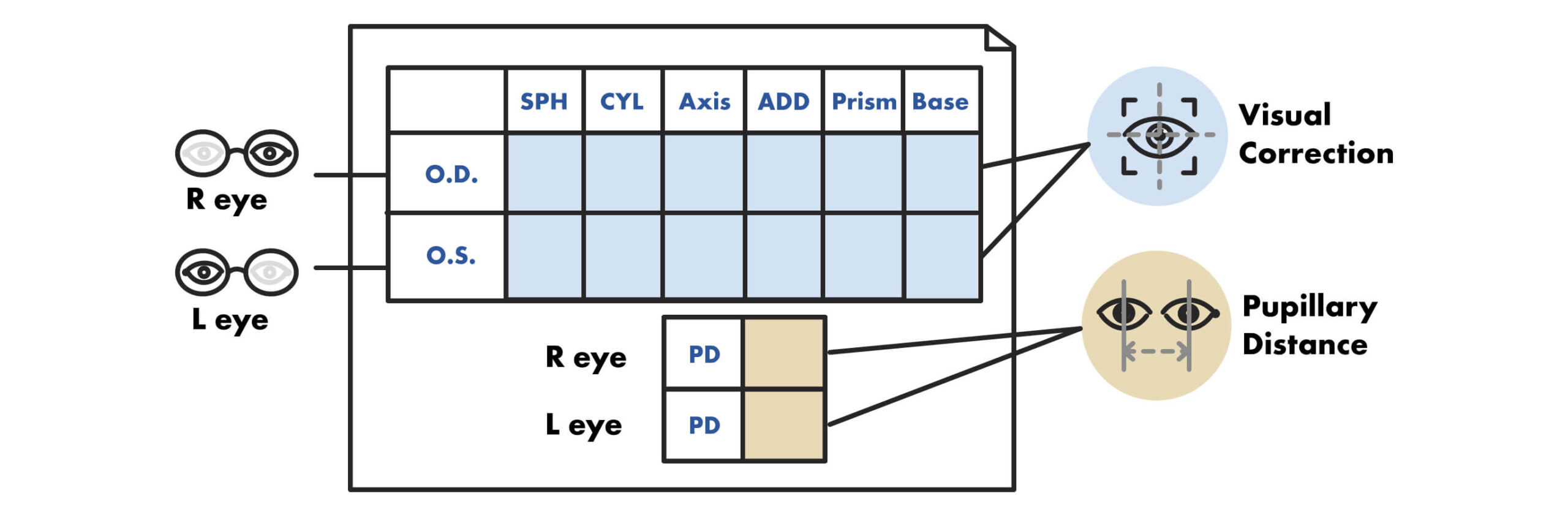
Understanding your eye prescription can feel confusing at first. Many people receive that small slip after an eye exam and still have no idea what the numbers truly mean. With a little clarity, you can read it confidently and know exactly what your eyes need. This guide breaks down each element in simple language so you never feel overwhelmed again.
What SPH Really Means
SPH, or sphere, appears on every prescription. It shows the level of nearsightedness or farsightedness. A minus number means you see better up close but struggle with far objects. A plus number shows you see better far away and need help with near vision. Once you understand this, you get an instant idea of your visual needs.
Transition words like “first,” “next,” and “also” help the explanation flow smoothly. So first, check whether your SPH value is positive or negative. It gives you the base information about your eyes. This value plays a big role in choosing the right lenses.
How CYL and Axis Function Together
Next, look at CYL. It stands for cylinder. This part tells you whether you have astigmatism. Astigmatism happens when your cornea has an irregular curve. If CYL shows a number, you have it. If that space is blank, you likely don’t.
The axis works with CYL. It uses numbers between 1 and 180. It shows where the astigmatism sits on the cornea. Think of it as a map that helps the lens correct the exact angle. Even though the axis looks technical, it becomes easy to read once you know it marks direction rather than strength.
Understanding ADD for Reading Support
Another part you may notice is ADD. It describes the extra power needed for reading or close work. People often see this value as they get older. This happens because the eyes gradually lose the ability to focus up close.
If you wear progressive or bifocal lenses, ADD becomes very important. It helps the lower part of the lens give the boost you need during tasks like reading, sewing, or using your phone. This value helps create a smooth transition from distance vision to near vision.
What PD Tells You
PD stands for pupillary distance. It measures the space between your pupils. This measurement ensures the lens centers align with your eyes. Without the right PD, even the best prescription won’t feel right. You may feel strain or mild discomfort. With the correct PD, your vision stays sharp and comfortable.
PD may not appear on every slip. Yet it is essential when buying glasses. If you purchase eyewear online or order custom lenses, PD becomes a key factor.
Why Understanding Your Prescription Matters
When you understand each section, you make better choices. For instance, you can select lenses that match your lifestyle better. You can compare options confidently. You become aware of why your eyes need certain corrections.
Also, this knowledge helps you detect errors early. If something looks off, you notice it fast. That way, you avoid using incorrect lenses that may strain your eyes. Therefore, learning this skill becomes an advantage for your long-term visual comfort.
Final Thoughts
Once you break the prescription into parts, reading it becomes simple. The numbers stop feeling like a mystery. Instead, they turn into useful details about your own vision. With this guide, you can read your next prescription with confidence, clarity, and ease.