
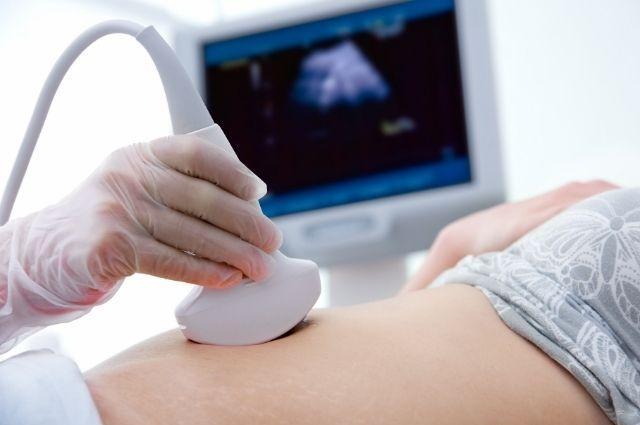
Private baby scan clinics have become increasingly popular among expectant mothers seeking reassurance, gender reveals, and memorable keepsakes during pregnancy. However, growing concerns suggest that many of these private facilities may not meet essential medical standards, potentially putting both mothers and babies at risk. Unlike scans conducted in hospitals under regulated medical settings, many private clinics focus on non-diagnostic purposes, raising questions about their accuracy and safety.
Lack of Regulation and Medical Oversight
One of the biggest issues surrounding private baby scan clinics is the lack of proper regulation and qualified medical supervision. Many of these facilities operate as commercial businesses rather than clinical establishments, with limited oversight on technician qualifications or equipment standards. This gap in regulation means that critical conditions such as growth restrictions, placental problems, or developmental abnormalities might be missed during scans intended merely for entertainment or bonding purposes. When such conditions go unnoticed, it can delay vital medical intervention that could impact both maternal and fetal health.
False Reassurance and Missed Diagnoses
Expectant mothers often turn to private scans for peace of mind between routine hospital appointments. However, the absence of trained sonographers and medical-grade scanning protocols may lead to misleading reassurance. A clear image or heartbeat on the screen does not always indicate a healthy pregnancy. In some cases, clinics fail to identify serious complications, and mothers leave believing everything is normal when urgent medical attention is required. This false reassurance can be dangerous, particularly in pregnancies with known risk factors.
Safety Risks and Misuse of Ultrasound Technology
Another growing worry is the overuse of ultrasound technology purely for non-medical purposes. Extended exposure to ultrasound waves, while generally considered safe when used appropriately, is discouraged without a clinical reason. Repeated or lengthy sessions conducted solely for keepsake videos or 3D imagery could pose unnecessary risks. Furthermore, improper calibration of ultrasound machines can result in poor-quality imaging or even discomfort for the mother, especially when handled by underqualified staff.
Emotional and Financial Impact on Expectant Mothers
Beyond the medical concerns, there is an emotional and financial toll on families who depend on private scan clinics. The cost of multiple scans can quickly add up, and in some instances, inaccurate information can lead to emotional distress. Misinterpretation of scan images or gender results can create unnecessary anxiety or confusion during a time that should be filled with anticipation and joy.
Need for Greater Awareness and Regulation
The rising popularity of private baby scans highlights the need for stronger regulatory frameworks to ensure safety and reliability. Expectant mothers should be encouraged to use such services cautiously and always follow up with their healthcare provider for clinical confirmation of any findings. Increased awareness, proper training, and clear guidelines could bridge the gap between commercial ultrasound services and medical-grade prenatal care.
Conclusion
While private baby scan clinics offer convenience and emotional connection for many families, their growing presence raises significant safety concerns. Without proper oversight and medical involvement, these scans could give false reassurance or fail to detect life-threatening conditions. Expectant mothers are advised to treat private scans as a supplement, not a substitute, for professional prenatal care. Awareness, regulation, and education remain key to ensuring both mother and baby stay safe throughout pregnancy.