
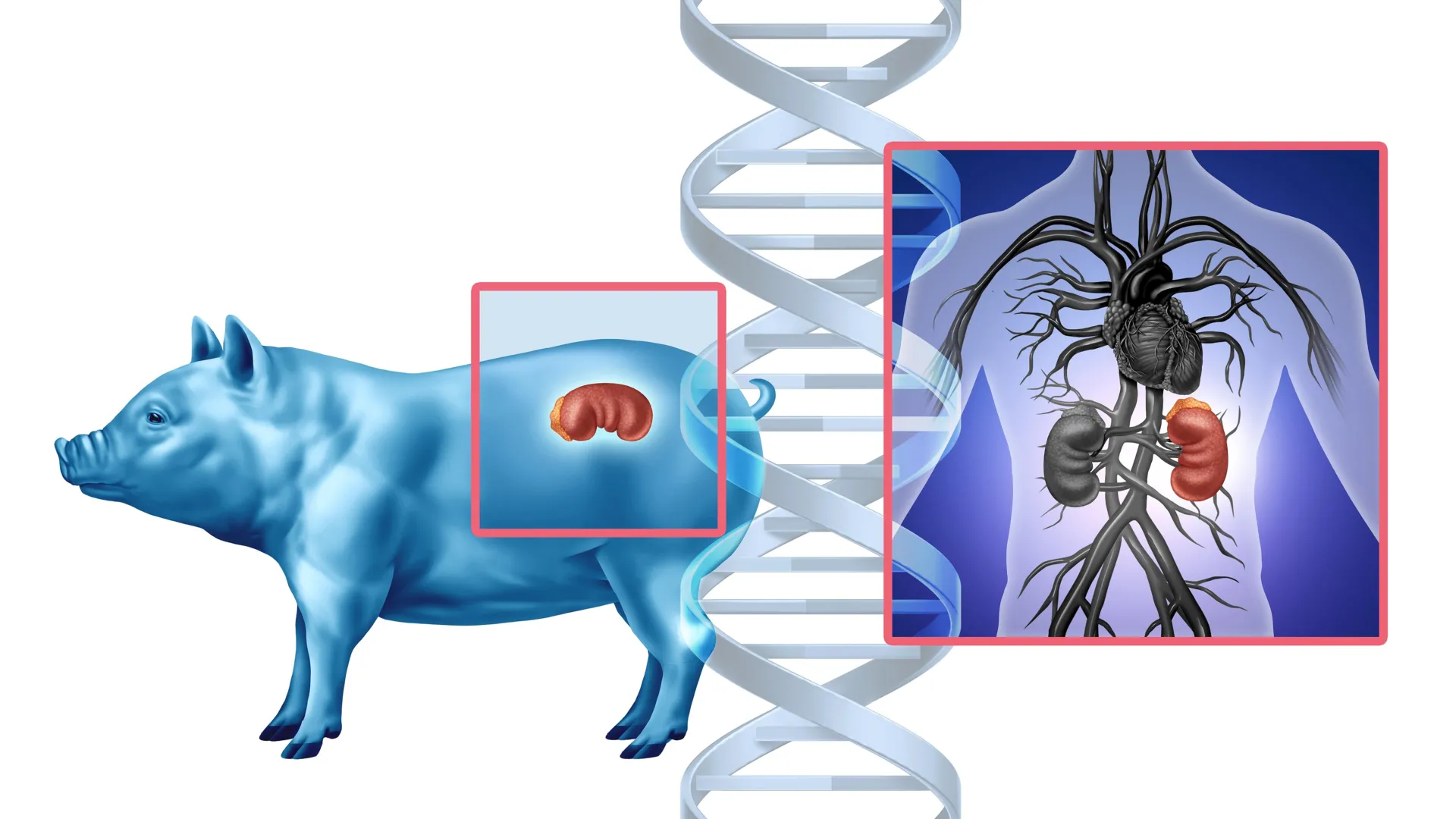
Medical researchers say they are now measurably closer to making pig kidneys function safely in humans. This milestone could transform the future of organ transplants, especially at a time when thousands face long waits. With growing demand for reliable options, the study marks a shift toward using animal organs to support human life.
A Turning Point in Transplant Science
Many patients struggle to receive a compatible kidney in time. Because of this shortage, experts have explored animal organs as alternatives. Pig organs have remained the most promising due to their size, structure, and availability. Their biological features match well with human needs, allowing researchers to refine new approaches.
The recent progress signals that the science behind cross-species transplantation is advancing faster than expected. Scientists used improved genetic strategies that help pig kidneys function in more human-like ways. As a result, the new organs show stronger compatibility and reduced risk of rejection. Their stability signals that the field is entering a new stage where real-world medical use may not be too far off.
How the New Kidney Model Works
The latest findings come from tests designed to replicate human conditions. Researchers used advanced modification techniques to adjust immune markers in pig kidneys. These updates make the organs appear less foreign to the human body.
They also improved the tissue response, which reduces inflammation and supports long-term performance. Because these changes work together, the kidneys can filter waste and regulate fluids more efficiently. Their improved stability shows how far the science has come from early experiments that struggled with rapid rejection.
With each improvement, researchers build a clearer path toward future trials. Their work focuses on proving that pig kidneys can function safely for extended periods. This progress gives hope to millions who face organ failure and long-term treatment.
Why Pig Kidneys Could Transform Care
Kidney disease affects people across all ages, and treatment options remain limited. Dialysis helps, yet it cannot replace the full life function that a transplant provides. Because donor shortages continue, pig kidneys could fill a critical gap. Their availability would remove long waiting periods and bring consistency to treatment plans.
The new research highlights the potential for dependable organ sources that reduce the pressure on human donation systems. With improved safety and stronger performance, pig kidneys may soon support patients who cannot afford to wait years for a match.
This shift could also reduce transplant-related complications. When scientists can adjust organs before they are used, they gain more control over compatibility. That means fewer obstacles during treatment and a higher chance of success. As technology improves, the medical community may adopt this method for multiple organ types.
What Comes Next
While this progress is significant, more work remains. Researchers still need long-term data showing how well pig kidneys function inside the human body. They must also refine safety standards to minimize risks. Yet the current results offer a foundation for future trials.
If upcoming studies continue to show strong performance, human testing may expand soon. This would represent one of the most important steps in modern transplant science. The goal is clear: provide reliable organs to everyone who needs them, without long delays or shortages.
Transition by transition, the field is moving toward that reality. The latest breakthrough proves that cross-species transplantation is no longer a distant concept. Instead, it stands on the edge of becoming a real solution for thousands who depend on medical innovation.