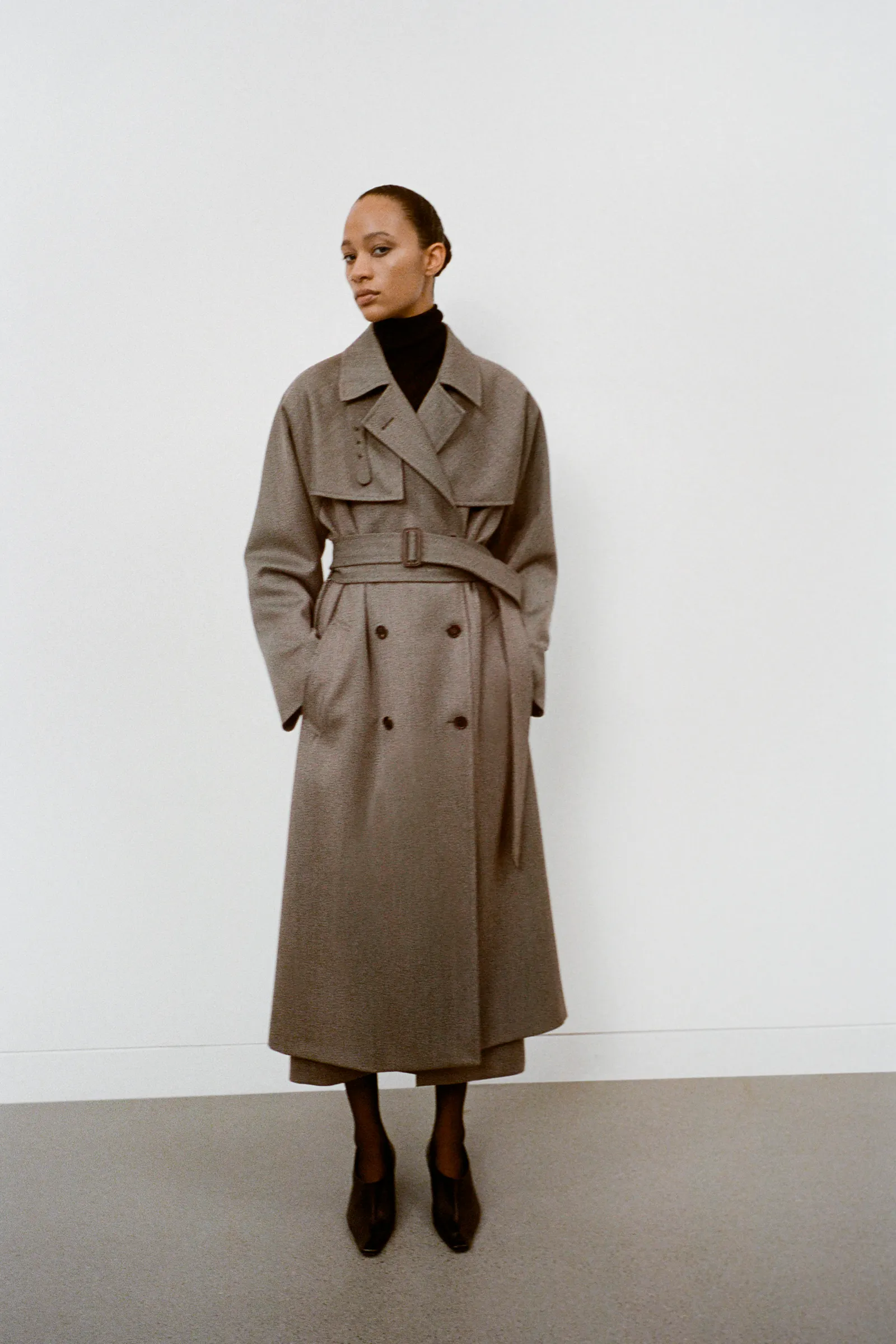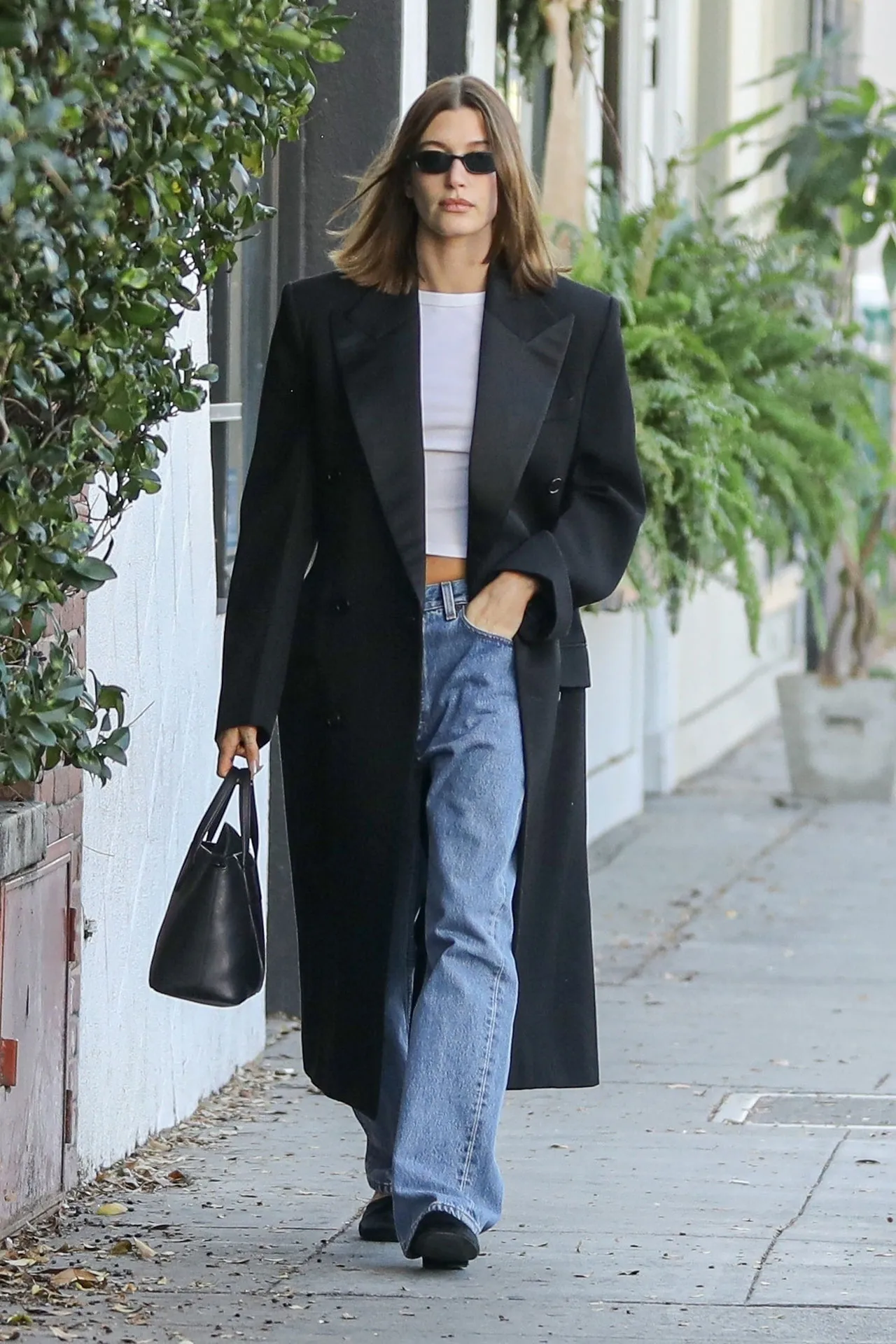
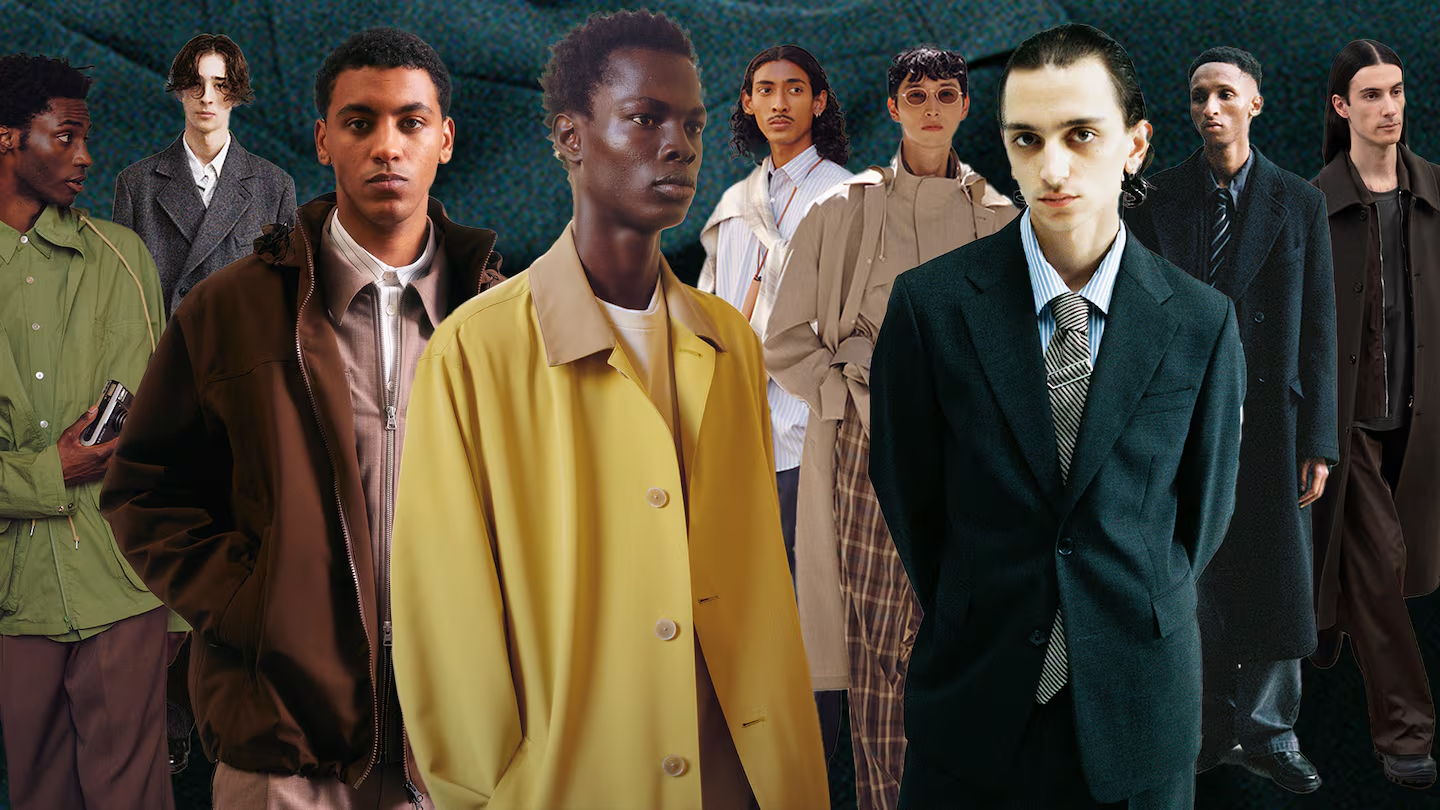
Menswear is facing a sameness epidemic. Shirts look identical, trousers follow the same silhouettes, and colour palettes stay predictable. Many shoppers now feel tired because racks across stores offer nearly the same choices. Although trends change every season, the result seems unchanged. The push for mass appeal creates safe designs. Yet this pushes creativity aside. As a result, every collection begins to blend into the next.
Why Everything Looks the Same
Several factors fuel this repetition. First, brands prioritise low risk. They fear bold styles may not sell. So they keep releasing looks that already worked. This cycle repeats until shoppers see no difference anywhere. In addition, social media speeds trend adoption. Once a style becomes popular, many others copy it. Soon every rack holds similar versions. Because of this, individuality loses space. Even new releases appear familiar.
Moreover, global supply chains encourage uniformity. Manufacturers prefer patterns that are easy to produce. Faster production means more profit. So complicated designs get rejected. While efficiency rises, variety drops.
The Rise of Minimalism and Safe Styling
Minimalism dominates modern menswear. Clean lines, soft neutrals, and quiet styling attract large audiences. This gives stores steady sales. However, it also shrinks creative risk. Although minimalism offers elegance, it grows repetitive when everyone follows the same rules. Even streetwear, once bold and rebellious, now leans towards muted basics.
How Shoppers Can Break the Cycle
Even in a sea of sameness, men can stand out. The solution lies in small yet deliberate choices. Colour accents change entire looks. Even a single bright layer transforms quiet outfits. Additionally, textured fabrics add depth. Linen, corduroy, and knit blends create variation without going extreme. Fit also plays a big role. A sharper cut shifts attention instantly. Besides, mixing formal and casual pieces creates fresh balance.
Accessories further elevate individuality. Watches, scarves, hats, and eyewear add signature personality. Because accessories are low-risk, they help men explore styles freely.
Ways Designers Can Bring Change
Designers hold major power in breaking the cycle. They can reintroduce experimentation. Instead of repeating the same silhouettes, they can explore new proportions. Bolder colours, unexpected materials, and mixed cultural inspirations add freshness. Although risk exists, innovation attracts attention. In fact, shoppers appreciate originality when it feels wearable.
Furthermore, small collections with strong ideas achieve more impact than large safe drops. Designers can also highlight craftsmanship. Hand-stitching, embroidery, and artisanal textures offer uniqueness machines cannot copy. This helps pieces stand out even when shapes remain familiar.
Retailers’ Role in Reviving Creativity
Retailers can shift this narrative too. They can curate diverse ranges instead of repeating identical basics. When stores showcase unique designers, customers feel inspired. Clear storytelling also matters. When retailers explain the inspiration or craft behind pieces, shoppers feel connected. This encourages them to explore beyond the usual.
A New Direction for Menswear
Menswear can escape this sameness epidemic. Both buyers and creators must choose creativity over comfort. While basics are essential, individuality matters more now. The future of menswear depends on bold steps. When people demand originality, brands respond. And when designers take risks, style evolves again. Menswear becomes exciting only when diversity returns.