
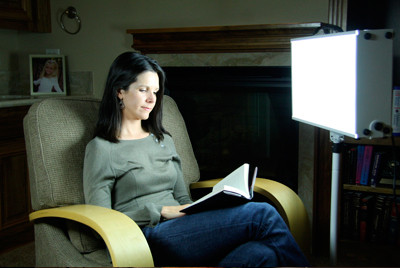
As winter settles in, shorter days and reduced sunlight often affect mood, energy, and motivation. Many people notice they feel slower, more tired, or emotionally low during this season. Because of that, light therapy has gained renewed attention as a practical and accessible tool for managing winter-related mood changes. A light box mimics natural daylight and supports the body’s internal clock. As a result, daily exposure may help restore balance during darker months.
Why Winter Can Affect Mental Well-Being
During winter, daylight hours shrink. Consequently, the body produces more melatonin, the hormone linked to sleepiness. At the same time, serotonin levels may drop. This chemical plays a key role in mood stability. When these shifts happen together, people often experience low motivation, sadness, and fatigue. Moreover, cloudy weather and indoor lifestyles can intensify the problem. Therefore, finding ways to replace lost light becomes essential.
How a Light Box Works on the Brain
A light box emits bright light that closely resembles outdoor daylight. When used consistently, it signals the brain to adjust melatonin and serotonin production. As a result, sleep patterns improve and daytime alertness increases. Unlike ordinary indoor lighting, this intensity reaches the eyes in a way that triggers biological responses. Because of that, many users report improved mood within days or weeks of regular use.
Daily Use Can Create a Steady Routine
Consistency matters with light therapy. Most people benefit from using a light box in the morning for a short session. This timing helps reset the body clock and supports better sleep at night. Additionally, building the habit into a morning routine increases long-term success. For example, using the light while reading or having breakfast makes it easy to maintain. Over time, this small ritual can feel grounding and reassuring.
Mood, Energy, and Focus Often Improve Together
Light therapy does more than lift mood. Many users notice better concentration and increased energy. Because the brain receives a clear signal that the day has started, mental fog often fades. Furthermore, improved sleep quality supports emotional regulation. When rest improves, stress feels easier to manage. As a result, productivity and confidence may also rise.
Safe Use and Realistic Expectations Matter
While light therapy is generally well tolerated, it works best when used correctly. Placing the light at the proper distance and avoiding late-day use helps prevent sleep disruption. Additionally, results vary from person to person. Some notice changes quickly, while others need more time. Therefore, patience is important. Light therapy supports mental health, but it does not replace professional care when symptoms feel overwhelming.
Why Many People Stick With It Each Winter
One reason light boxes remain popular is their simplicity. They require no medication and fit easily into daily life. Moreover, once purchased, they can be reused every winter. Many users describe the light as a reminder of brighter days ahead. Because of that emotional association, the practice itself can feel comforting. Over time, it becomes part of seasonal self-care rather than a temporary fix.
A Small Change That Can Make Winter Feel Lighter
Winter does not have to feel endless or draining. Although cold weather and dark mornings are unavoidable, their impact on mood can be reduced. Light therapy offers a practical way to reconnect with natural rhythms even indoors. By supporting energy, sleep, and emotional balance, a simple light box can help make the season feel more manageable. Sometimes, a little extra light truly makes a meaningful difference.