
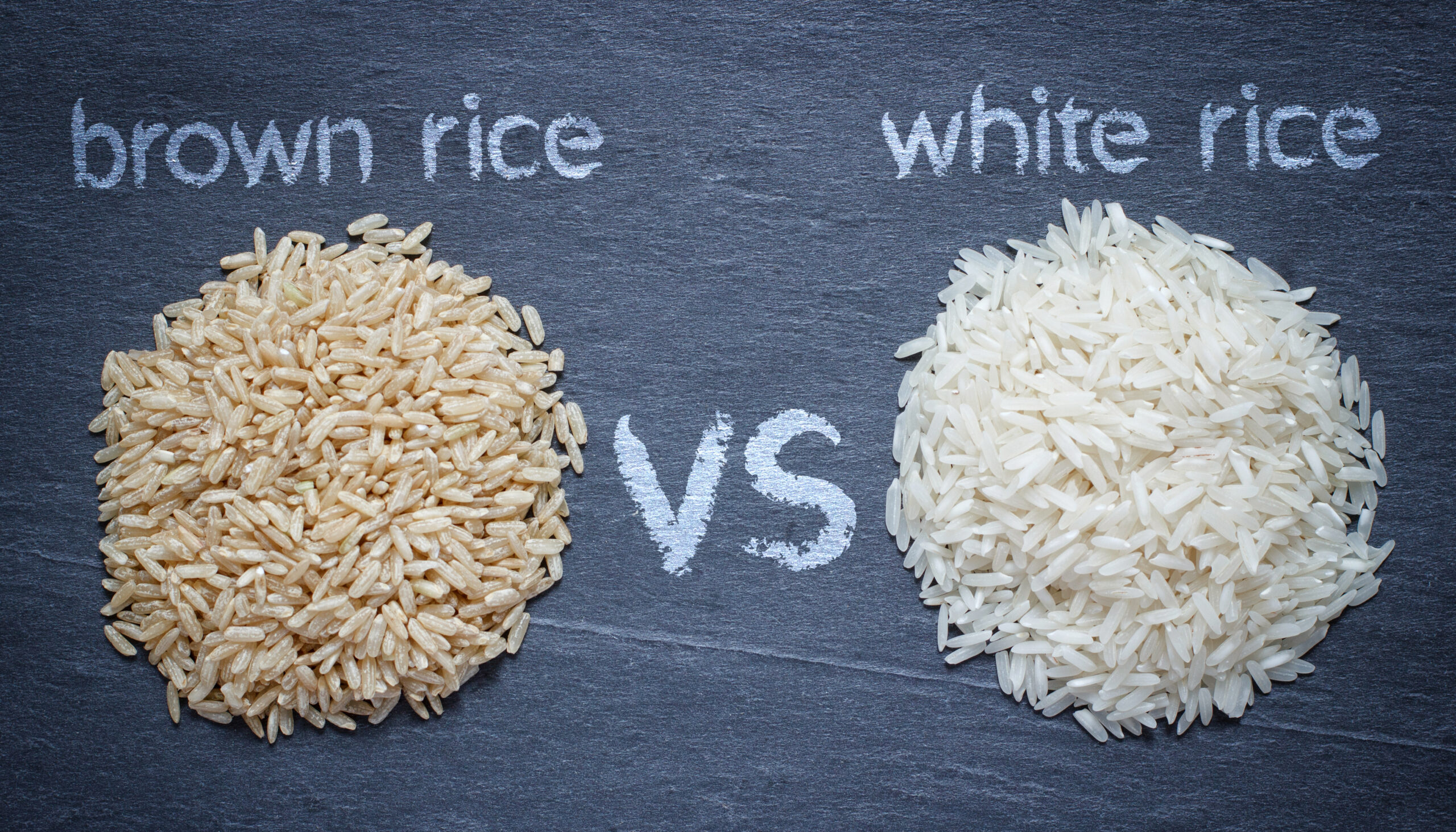
Rice is one of the most widely eaten foods in the world, yet it often sparks debate in health discussions. Some praise it as a comforting staple, while others blame it for blood sugar spikes and weight gain. The truth lies in understanding how rice fits into your overall diet and how different types compare. Brown and white rice may come from the same grain, but their nutritional impact differs in important ways.
Rice provides energy through carbohydrates, which fuel the brain and muscles. Therefore, removing it entirely may not suit everyone. Instead, making informed choices about type, portion size, and preparation can help you enjoy rice while supporting good health.
How Rice Is Processed
All rice starts as a whole grain. It contains three parts: the bran, the germ, and the endosperm. Brown rice keeps all three layers intact. White rice, on the other hand, goes through milling that removes the bran and germ. As a result, white rice becomes softer, lighter in color, and quicker to cook. However, this process also strips away fiber, vitamins, and minerals.
Because of this difference, brown rice remains closer to its natural state. Meanwhile, white rice offers convenience and a milder taste that many people prefer.
Brown Rice: The Whole-Grain Option
Brown rice stands out for its higher fiber content. Fiber supports digestion, promotes fullness, and helps regulate blood sugar levels. In addition, brown rice contains more magnesium, phosphorus, and B vitamins compared to white rice. These nutrients support nerve function, energy metabolism, and bone health.
Moreover, brown rice has a lower glycemic impact. This means it raises blood sugar more slowly, which can be helpful for people managing insulin sensitivity. Because it digests gradually, it may also help control appetite between meals.
However, brown rice takes longer to cook and has a chewier texture. Some people may find it harder to digest at first. Gradual introduction can help the body adjust.
White Rice: Simple and Easily Digestible
White rice often gets a bad reputation, yet it still has a place in a balanced diet. It provides quick energy and is gentle on the digestive system. For people with sensitive stomachs or during recovery from illness, white rice can be easier to tolerate.
Additionally, white rice is often enriched after processing. This means certain nutrients get added back, such as iron and some B vitamins. While enrichment does not replace all lost nutrients, it does improve its nutritional value.
Because white rice lacks fiber, it can cause faster blood sugar spikes. Pairing it with protein, healthy fats, or vegetables can slow digestion and improve its overall impact.
Comparing Nutrition and Health Impact
When comparing brown and white rice, fiber becomes the main divider. Brown rice offers more fiber and micronutrients, while white rice offers quicker digestion and convenience. Neither option is inherently unhealthy. Instead, health outcomes depend on portion size, frequency, and what you eat alongside rice.
For example, combining rice with vegetables, legumes, or lean proteins creates a more balanced meal. This approach improves satiety and stabilizes energy levels throughout the day.
Which One Should You Choose?
Choosing between brown and white rice depends on your needs and lifestyle. If you aim for long-lasting energy, better digestion, and higher nutrient intake, brown rice may suit you better. If you need quick fuel, easy digestion, or a neutral base for meals, white rice can still work well.
Many people benefit from including both. Variety supports nutrient diversity and keeps meals enjoyable. Listening to your body also matters. What feels good and sustainable often works best in the long run.
The Bottom Line
Rice can absolutely be part of a healthy diet. Rather than labeling it as good or bad, focus on how you prepare it and what you eat with it. Brown rice offers more fiber and nutrients, while white rice provides comfort and digestibility. When eaten mindfully and in balanced portions, both types can support a healthy lifestyle.