
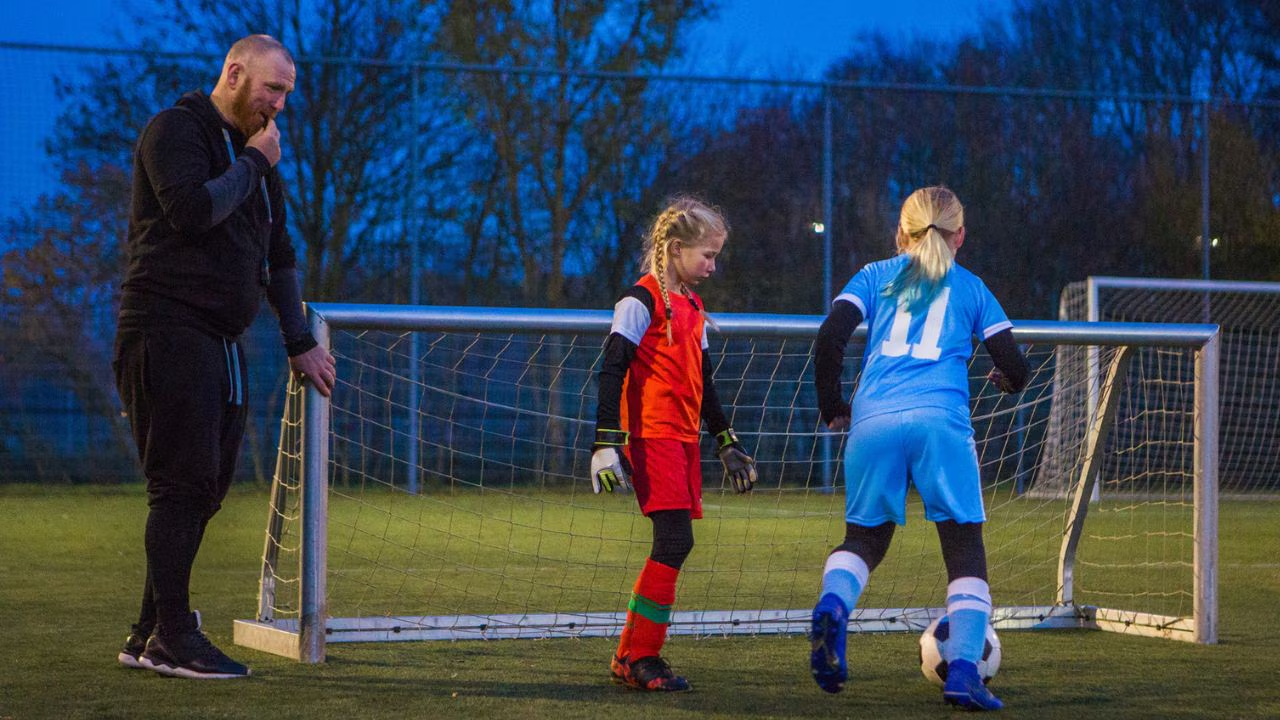
Parents often struggle with sports schedules. Many practices now extend into late evenings, and some even finish around 9 p.m. As more children balance academics and athletics, families feel pressure to keep up. However, growing research now highlights how evening activity affects sleep. Because of that, parents are asking an important question: Is 9 p.m. simply too late for kids to finish sports practice?
Why Late Practices Interfere with Sleep
Experts explain that children need predictable wind-down time before bed. After intense physical activity, the body stays alert. Heart rate rises, core temperature increases, and stress hormones remain elevated. Therefore, even when practice ends at 9 p.m., the body does not slow down right away. Kids often need at least one hour to transition from activity to rest.
Moreover, evening sports can delay melatonin release. That delay pushes bedtime further into the night. As a result, children fall asleep late, wake early for school, and feel tired the next day. Over time, this pattern becomes harmful. It cuts into deep sleep, which supports memory, mood, and growth.
Impact on School Performance and Mood
When kids miss sleep, their school performance suffers. Teachers frequently report lower focus and slower processing. Children feel irritable and emotional because the brain depends on stable sleep patterns. Although sports offer many benefits, poor sleep undermines these gains.
Many parents also notice morning battles. Kids who practice late often wake up groggy. They struggle to get ready and feel stressed before the day even begins. Consequently, mornings become chaotic for families.
Physical Effects on Growing Bodies
Children recover during sleep. Muscles repair faster, and hormones balance during deep rest. If sleep becomes short or irregular, recovery slows. Young athletes may then experience fatigue, soreness, and even higher injury risk. Because the body needs rest to rebuild, late-night practices leave too little recovery time.
Additionally, chronic lack of sleep influences appetite hormones. Kids may crave sugary snacks. This shift affects energy levels and overall fitness. Given these factors, sleep experts strongly encourage balanced routines.
Finding Healthy Scheduling Solutions
Parents often feel trapped by team calendars. Still, they can take steps to protect sleep. For example, they can discuss schedule concerns with coaches. Many coaches now understand the importance of earlier endings. If enough families request adjustments, teams may shift times.
Parents can also build calming routines after practice. A warm shower, dim lighting, and lighter meals help the body cool down. Avoiding screens is also essential, since blue light delays melatonin further. Even small adjustments make evenings smoother.
Striking the Right Balance
Youth sports bring discipline, teamwork, and joy. However, sleep remains essential. Therefore, experts urge parents to weigh the benefits of late practice against its impact on health. Kids who sleep well perform better in school, recover faster, and enjoy sports more. Families do not need perfection, but they should aim for consistency.
Ultimately, 9 p.m. practices are not ideal for most children. While some kids adapt, many struggle with late-night stimulation. With better planning and open communication, families can craft routines that protect both rest and athletic growth.