
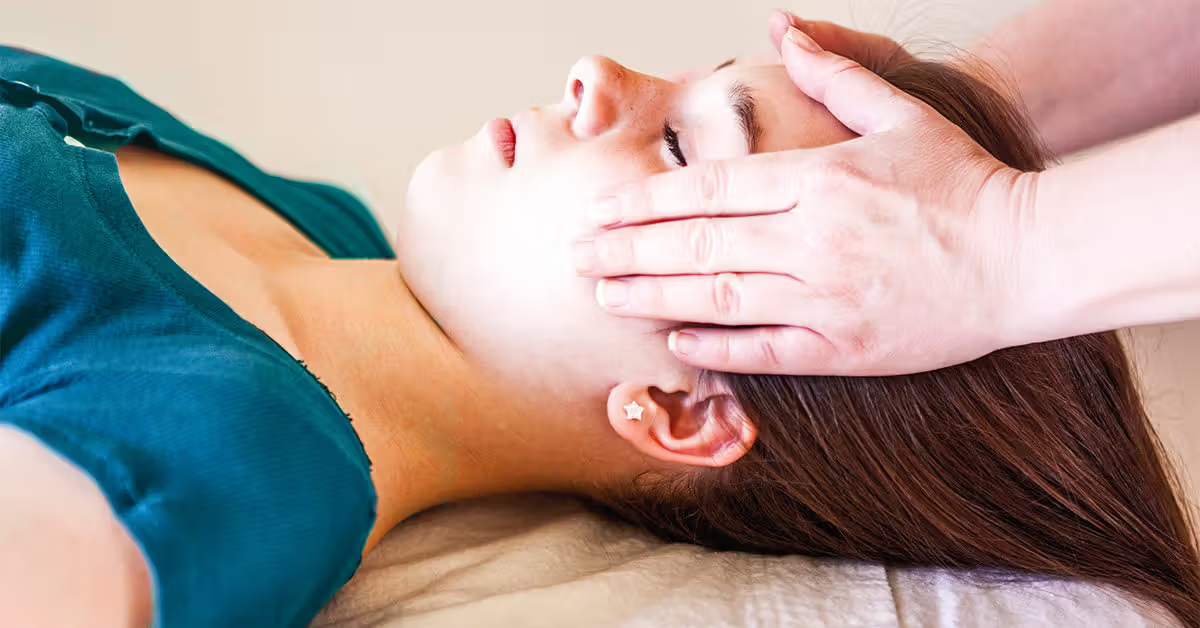
Massages have been used for centuries as a natural way to heal the body and calm the mind. People often turn to them seeking relief from pain, tension or daily stress. With wellness trends growing fast, massages attract attention for their possible long-term health benefits. Many claim they transform physical and mental well-being, so understanding how they actually work becomes important. Because their effects extend beyond simple relaxation, experts often highlight their role in regular self-care routines.
How Massages Support Physical Health
A massage works by applying pressure to muscles, tendons and soft tissues. This physical stimulation improves blood flow, which helps nutrients reach tissues faster. When circulation increases, muscles loosen and stiffness reduces. As a result, the body feels lighter and more flexible. Many people notice faster recovery after workouts because massages reduce soreness. They also help release built-up tension from long work hours or repetitive body movements.
Better circulation also boosts oxygen supply in the body. Since muscles depend on oxygen for strength and endurance, massages indirectly support better performance in physical activities. Another advantage is improved posture. When tight muscles relax, the body aligns itself more naturally, easing discomfort in the neck, shoulders and lower back.
Mental Wellness: The Hidden Power of Touch
Massages influence not only the body but also the mind. They trigger the release of feel-good hormones that help ease stress and promote relaxation. As tension melts away, people often feel calmer and more focused. Many report sleeping better after massage sessions because the body shifts into a more relaxed state. This can improve mood and mental clarity during the day.
Stress remains one of the biggest health challenges today. Because massages directly reduce stress hormones, they act as a natural break from constant pressure. A calmer mind allows better decision-making and improved emotional balance. This mental reset becomes especially helpful for those dealing with busy schedules.
Massages and Pain Relief: How Effective Are They?
Pain relief stands among the top reasons people seek massages. Conditions like muscle strain, tension headaches or joint tightness respond well to targeted touch. When muscles relax, nerve compression reduces. This eases discomfort and restores mobility. Transitioning from pain to ease enhances daily functioning and boosts energy.
Massages also help break down small adhesions or knots in muscles. When these knots release, movement becomes smoother and less painful. Frequent sessions support long-term relief by preventing tension from building again. Since many modern lifestyles involve sitting for long hours, massages help counter the effects of stiffness around the spine and hips.
Emotional Balance and Overall Well-Being
Touch-based therapy carries strong emotional benefits. The soothing pressure sends calming signals throughout the body. These signals reduce anxiety and create a sense of comfort. Many people find massages grounding because they help reconnect the body and mind. This connection improves self-awareness and emotional stability.
The overall well-being effect comes from a combination of improved circulation, reduced stress, pain relief and better sleep. Together, these results build a stronger foundation for daily wellness. Because of this holistic impact, many include massages in their monthly self-care routines.
Should Massages Be a Regular Habit?
While massages offer many benefits, their impact depends on consistency. Occasional sessions help with relaxation, but regular ones support long-term changes. They maintain muscle flexibility, prevent stiffness and stabilize stress levels. Choosing a style that suits individual needs makes each session more effective.
Massages work best when paired with hydration, stretching and balanced activity. With these habits, the body responds faster and recovers better. Since massages activate natural healing processes, making them part of a routine can improve both physical and mental wellness.