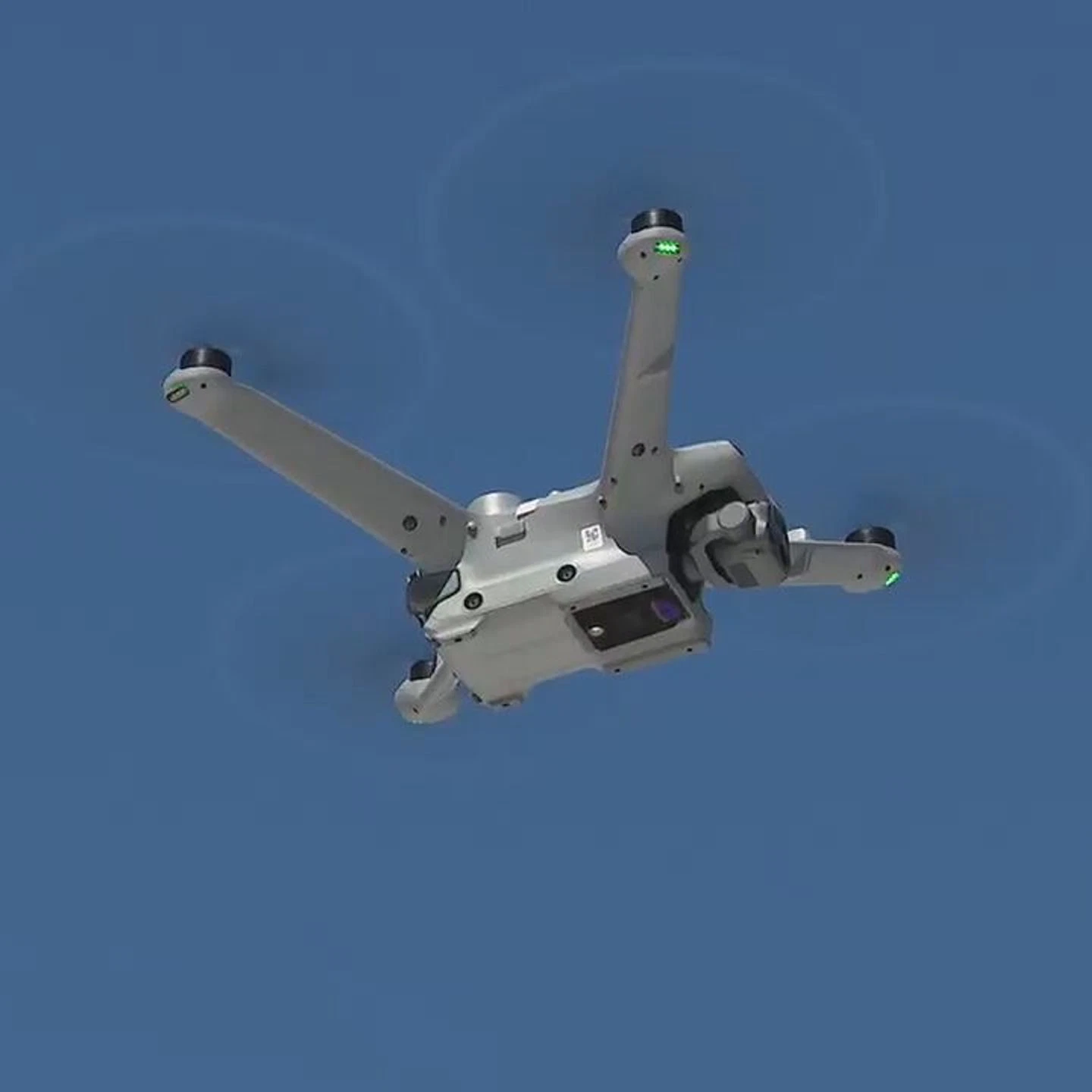
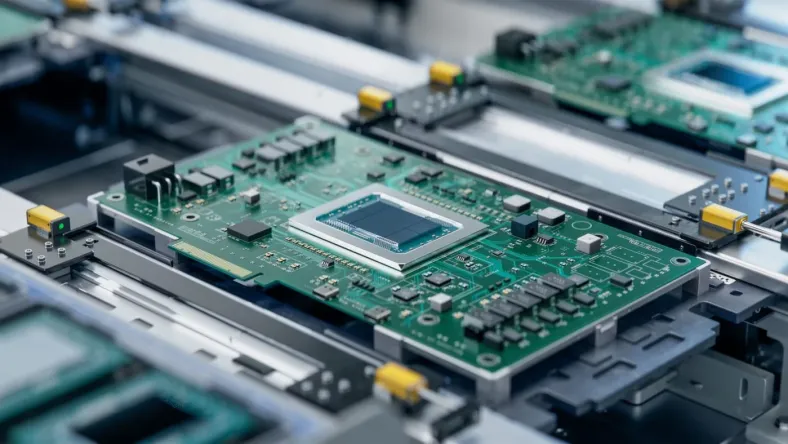
The hardware sector endured a bruising week as multiple well-known companies collapsed within days of each other. In a striking turn of events, iRobot, Luminar, and Rad Power Bikes all filed for bankruptcy in rapid succession. Although each company operates in a different segment, the timing highlighted a shared struggle across the hardware ecosystem. Rising costs, cautious consumers, and tightening capital combined to create a perfect storm. As a result, the week became a stark reminder of how vulnerable even established hardware brands can be.
Why the Timing Matters
While business failures are not unusual, the clustering of these filings raised alarms. Over just about a week, three high-profile names sought court protection. Consequently, investors and analysts began asking whether this moment signals a broader industry correction. Hardware companies, unlike software firms, face heavy manufacturing expenses. Therefore, when demand softens or financing dries up, they have little room to maneuver. This timing suggests not isolated mistakes, but systemic pressure.
Consumer Demand Continues to Cool
One major factor behind this rough stretch is shifting consumer behavior. Inflation and economic uncertainty have pushed households to prioritize essentials. As a result, discretionary purchases like home robots, premium electric bikes, and advanced automotive components have slowed. Hardware products often rely on high upfront spending. When buyers hesitate, revenue drops quickly. Moreover, inventories pile up, tying cash to unsold goods. This dynamic leaves companies exposed when sales forecasts miss their mark.
Costs Rise Faster Than Revenues
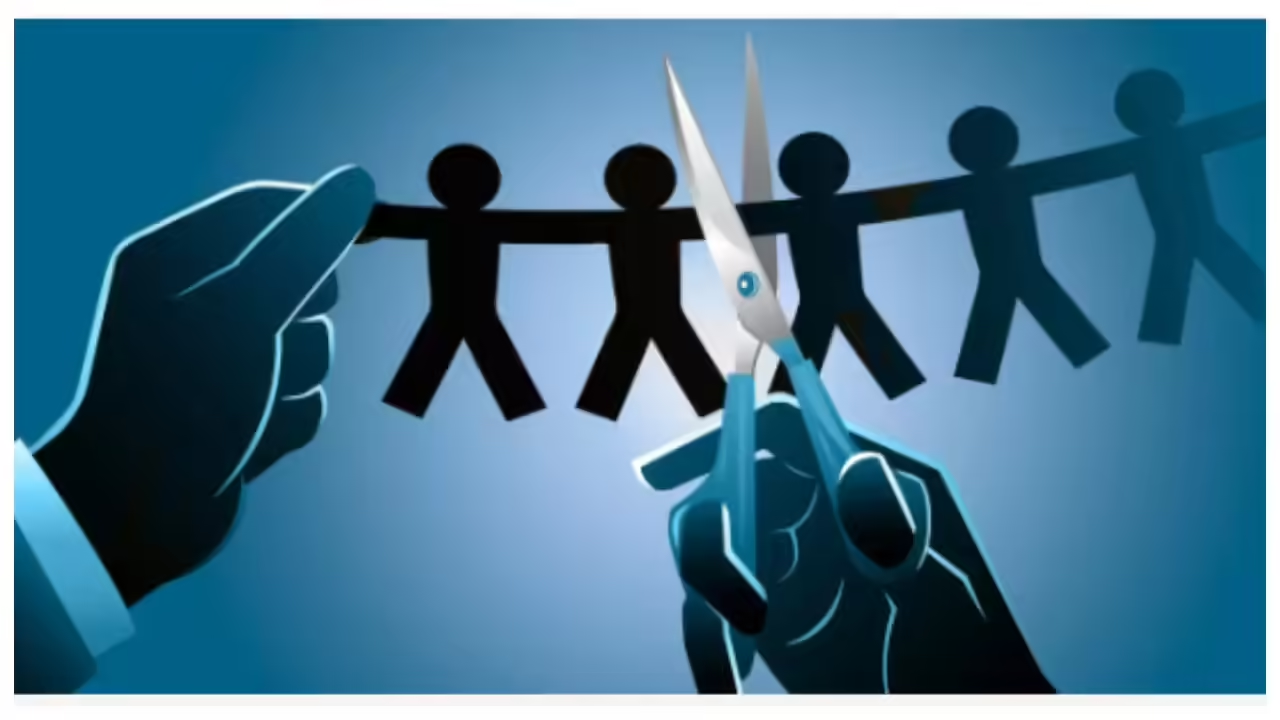
At the same time, operating costs have remained stubbornly high. Manufacturing, logistics, and component sourcing still carry elevated price tags. Additionally, interest rates increased the cost of borrowing. For hardware firms that depend on loans to fund production cycles, this shift proved painful. Even modest revenue dips became dangerous. Consequently, balance sheets weakened faster than many expected. This pressure forced difficult decisions, including workforce reductions and, ultimately, bankruptcy filings.
Funding Conditions Grow Tighter
Another critical factor lies in the funding environment. In recent years, capital flowed freely into hardware innovation. However, that era cooled quickly. Investors grew more selective, favoring profitability over growth at all costs. Hardware startups and scale-ups felt this change sharply. Unlike digital platforms, they cannot pivot easily or cut costs overnight. Therefore, when new funding failed to arrive, survival windows narrowed.
Industry-Wide Implications
The near-simultaneous collapse of these companies sends a broader warning. Hardware innovation remains essential, yet the path to sustainability has grown steeper. Companies must balance innovation with financial discipline. Additionally, diversification of revenue streams may become more important than ever. Firms that rely on a single flagship product face higher risk during downturns.
What Comes Next for Hardware Firms
Looking ahead, the industry may enter a period of consolidation. Stronger players could acquire assets, patents, or product lines from struggling competitors. Meanwhile, new hardware ventures may adopt leaner models from the start. By focusing on realistic demand and controlled growth, they may avoid similar pitfalls. Still, recovery will take time. Market confidence does not return overnight.
A Defining Week for the Sector
Ultimately, this rough week may mark a turning point. The filings by iRobot, Luminar, and Rad Power Bikes did more than end individual chapters. They exposed structural challenges facing hardware companies today. Although innovation continues, sustainability now takes center stage. For the hardware industry, the message is clear: resilience depends not only on bold ideas, but also on financial strength and adaptability.