
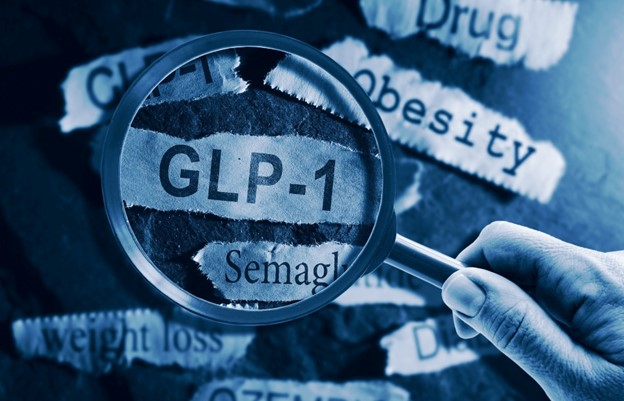
In many households, GLP-1 drugs have become a symbol of hope for aging parents struggling with chronic illnesses like diabetes and obesity. These medications, designed to regulate blood sugar and support weight management, are helping seniors regain control of their health. For some families, they represent a genuine lifeline—bringing renewed energy, mobility, and improved quality of life to parents who once battled fatigue and metabolic complications daily.
The Double-Edged Nature of GLP-1 Use
However, while these drugs offer clear benefits, they also present new challenges that many families are learning to navigate. Older adults often take multiple medications, and introducing GLP-1s can complicate existing routines. Some users experience digestive discomfort, dehydration, or fluctuations in appetite that may not align well with the nutritional needs of the elderly. Families often face tough decisions about balancing medical advantages with possible side effects and the long-term sustainability of these treatments.
Emotional and Financial Strain on Families
Beyond the medical implications, the emotional and financial burden of GLP-1 usage can weigh heavily on families. As these drugs become more popular, their high cost continues to raise concern. Adult children supporting aging parents often find themselves caught between wanting the best treatment options and managing financial limitations. The sense of responsibility to ensure a parent’s well-being can become both a source of pride and anxiety.
A Generational Divide in Perception
Interestingly, the discussion around GLP-1s has also highlighted a generational divide. Many younger family members see these medications as revolutionary and science-driven, while some older adults remain skeptical about long-term effects. This difference in perception can lead to difficult family conversations, where trust in modern medicine clashes with fear of dependency or overmedication.
The Hope for Long-Term Health Stability
Despite the concerns, healthcare trends suggest that GLP-1s may help prevent more serious conditions over time. For many seniors, achieving better glucose control can reduce the risk of complications that limit independence. Families who have witnessed the transformation in their loved ones often describe it as a turning point—where a parent once tired and sluggish now enjoys daily activities and social interactions again.
Balancing Caution with Optimism
Experts emphasize that while GLP-1 drugs show immense promise, they should be used thoughtfully, especially for older adults with multiple health issues. Families are encouraged to have ongoing conversations with medical professionals to tailor dosages and monitor side effects carefully. A cautious yet optimistic approach allows aging parents to benefit from these modern treatments without unnecessary risk.
The New Family Health Dynamic
Ultimately, GLP-1 medications are reshaping how families approach elder care. They symbolize both innovation and uncertainty in modern medicine. For some, they are the breakthrough that restores vitality to aging parents. For others, they mark the beginning of a new set of concerns about safety, dependency, and affordability. In the end, the decision to use GLP-1s is deeply personal—rooted in trust, care, and the shared goal of giving loved ones a healthier, happier life.