
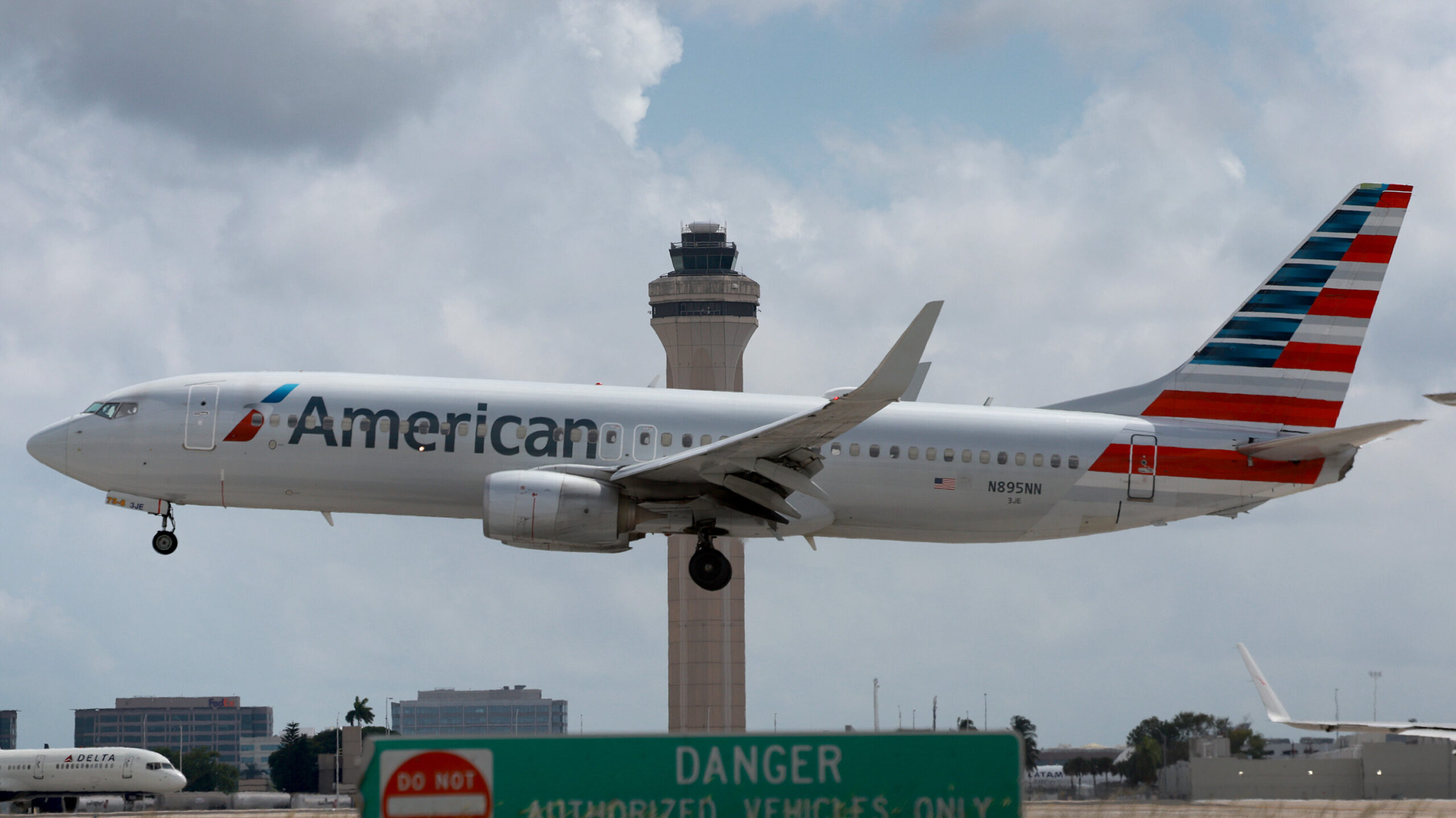
Air travelers across the United States are bracing for fresh complications as the ongoing shutdown triggers a significant reduction in flight operations. The federal aviation system is now preparing for a 10 percent cut in flights across 40 major airports. This adjustment aims to manage staffing limits and operational strain caused by the continued halt in government functions. Although officials emphasize safety, passengers now face a more unpredictable journey through the skies.
Wider Impact on Daily Flight Schedules
The most immediate effect is a sharp reduction in available flights. Airport operations teams have issued revised schedules to accommodate shrinking resources. As a result, travelers can expect more crowded terminals, fewer departure options, and tighter competition for rebooking seats. Airlines are actively reorganizing internal processes to cope with constrained capacity. They have introduced revised boarding timelines and updated gate procedures, ensuring smoother movement despite fewer flights.
Growing Delays and Unexpected Cancellations
Delays have started to stretch longer than usual. With fewer aircraft cycles, each disruption has a domino effect across the network. Travelers may see a single delayed takeoff ripple into multiple missed connections. Although flight crews are working intensely to maintain regularity, limited staffing slows certain operations. This situation makes cancellations more frequent during peak hours, creating a need for passengers to adjust plans quickly.
Security and Checkpoint Slowdowns
Security checkpoints are feeling the impact as team numbers dwindle. Although safety standards remain a priority, lines are moving slower. Early arrival at airports has become more important than ever. Passengers should build additional time into their travel plans to reduce the stress of unexpected bottlenecks. Checkpoint officers are reassigning tasks to maintain flow, but the reduced workforce makes delays unavoidable in many terminals.
Travelers Adjusting Their Strategies
This environment is pushing passengers to rethink how they travel. Many are booking earlier flights to avoid evening congestion. Others are choosing flexible fare options that allow them to switch flights without significant penalties. Some travelers are even postponing nonessential travel to avoid the unpredictability. These shifts reveal a broader trend: flyers are becoming more strategic, preparing for potential disruption before it happens.
Airports Reinforcing Communication
To support travelers, airports are expanding communication systems. Digital screens now carry real-time updates at frequent intervals. Public announcements also guide passengers through altered procedures. These efforts ensure that even as disruptions rise, information remains accessible, clear, and timely. Officials urge travelers to rely on verified airport channels rather than external sources, avoiding confusion during rapidly changing conditions.
When Will Normal Operations Return?
A return to normalcy depends entirely on when the shutdown ends. Until then, airports will continue running reduced schedules. Despite the uncertainty, operational teams remain committed to safety and transparent communication. They believe that once the shutdown lifts, restoring full capacity will take time but remain achievable with coordinated effort.