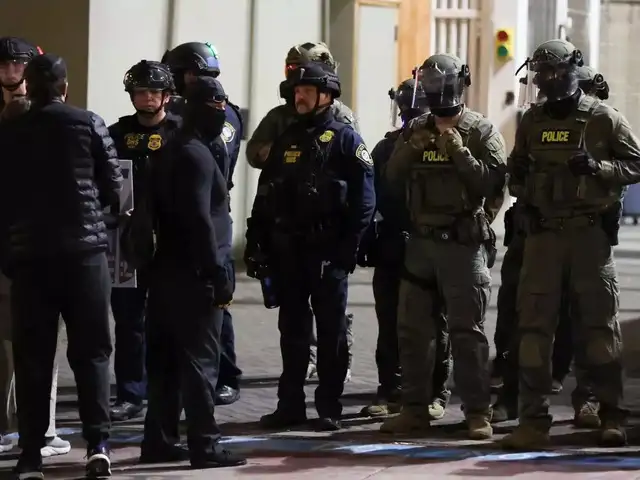
In a striking rebuke to former President Donald Trump’s controversial federal response to civil unrest, a U.S. federal judge has blocked the Trump administration’s plan to deploy federalized National Guard troops to Portland, Oregon. The ruling, issued late Monday, marks a significant legal blow to Trump’s attempt to assert federal control over local law enforcement operations during nationwide protests that had gripped several American cities.
The judge, citing constitutional and civil rights concerns, ruled that Trump’s order exceeded presidential authority and violated the Posse Comitatus Act, which limits the use of federal military forces in domestic law enforcement. The decision effectively prevents the administration from using National Guard troops without the consent of Oregon’s governor.
Background of the Dispute
The conflict began during the height of protests in Portland that erupted in response to police brutality and systemic racism. The Trump administration had repeatedly criticized local officials for what it called a failure to maintain law and order, threatening to send in federal forces to restore peace.
When protests intensified, Trump signed an executive order seeking to federalize the Oregon National Guard, claiming “an emergency threat to national stability.” Oregon Governor Kate Brown immediately objected, calling the move “an unconstitutional power grab.” The state then filed an emergency injunction, leading to this week’s court ruling.
Judge’s Ruling: A Matter of Federal Overreach
U.S. District Judge Eleanor Marks delivered a sharply worded 47-page opinion, emphasizing that “the federal government cannot unilaterally commandeer state military forces without clear and present danger or state consent.”
She added, “The President’s authority does not extend to the use of military force in domestic civil matters absent congressional authorization or a national insurrection. Portland’s unrest, while serious, does not meet that threshold.”
The ruling also underscored concerns about potential violations of First Amendment rights. Civil liberties groups had warned that the federalized deployment could escalate tensions and result in unlawful detentions of protesters.
Reactions from Both Sides
The decision drew sharp reactions across the political spectrum. The Trump camp denounced the ruling as a “judicial interference in national security matters,” while Oregon officials and civil rights advocates hailed it as a “victory for democracy and state sovereignty.”
Governor Brown applauded the court’s decision, saying, “Oregon will not be bullied by unconstitutional orders. This ruling reaffirms that states have the right to manage their own National Guard.”
Meanwhile, Trump’s legal team vowed to appeal, signaling that the administration was not backing down. “We will continue to fight for the President’s constitutional authority to protect American citizens,” a White House spokesperson said.
Broader Implications
Legal analysts suggest this ruling could set a significant precedent for future disputes between federal and state powers, particularly when it comes to law enforcement and domestic unrest.
“The court’s decision reinforces the delicate balance between federal authority and state autonomy,” said legal scholar Daniel Horowitz. “It’s a reminder that even in times of crisis, executive power is not unlimited.”
As Portland continues its efforts to rebuild trust between communities and law enforcement, this court ruling may serve as both a legal and symbolic turning point — one that defines the boundaries of presidential power and the enduring resilience of American constitutional checks and balances.