
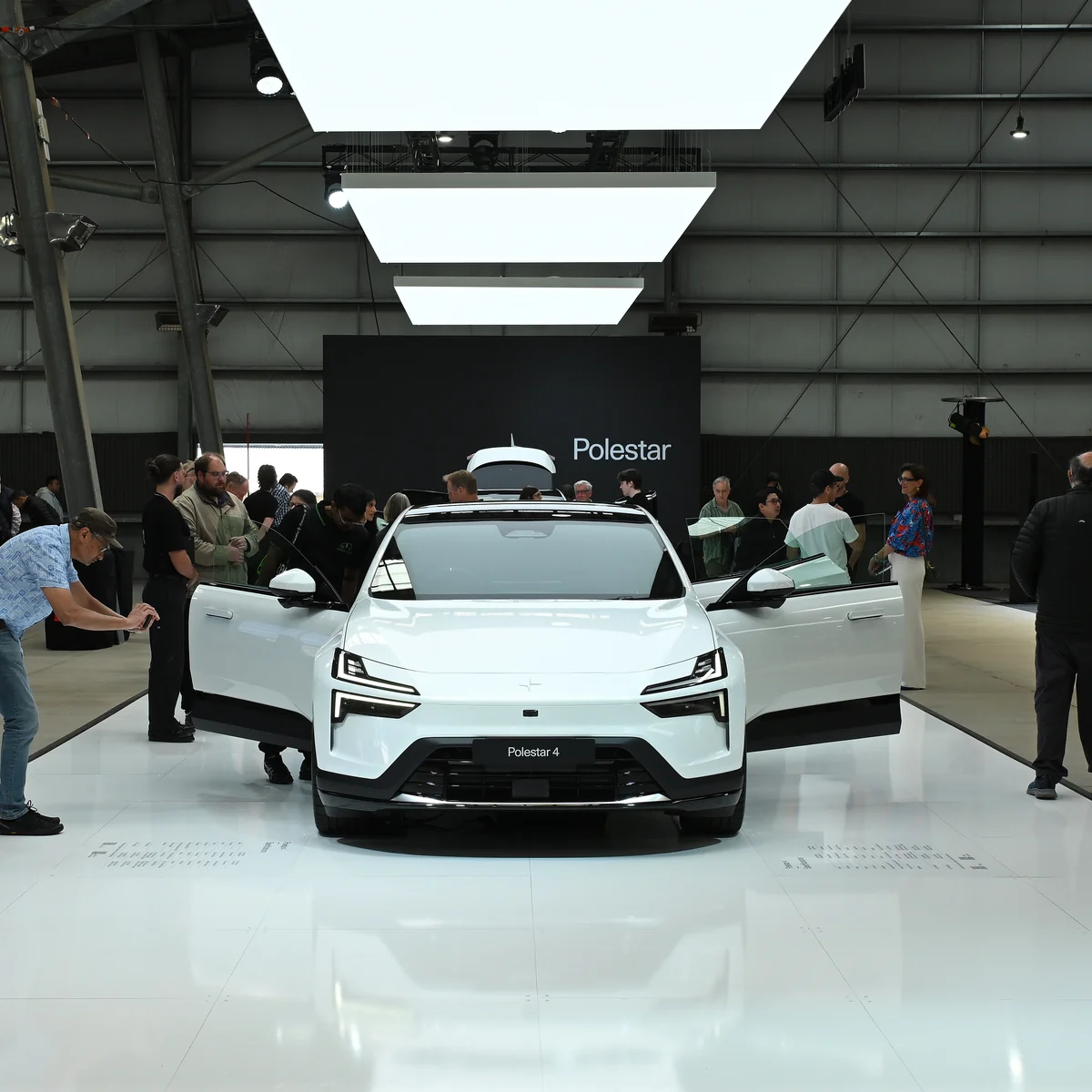
The European Union has signaled a softer approach toward its landmark 2035 target that aimed to end the sale of new petrol and diesel cars. Initially framed as a decisive push toward full electrification, the revised stance introduces more flexibility in how member states and manufacturers reach long-term climate goals. While policymakers describe the move as pragmatic, electric vehicle startups across Europe see it as a troubling retreat from clarity and ambition.
Why The Shift Matters Now
For years, the 2035 deadline acted as a powerful signal to investors, innovators, and entrepreneurs. It encouraged bold bets on battery technology, charging networks, and new manufacturing models. However, as the policy language becomes less rigid, uncertainty grows. Consequently, startups that relied on a firm regulatory timeline now worry about delayed adoption and weaker demand signals.
Moreover, early-stage companies often lack the financial buffers of established automakers. Therefore, even small policy adjustments can ripple through funding plans, hiring strategies, and research timelines. In contrast, larger players can afford to hedge their bets, leaving younger firms exposed.
Startup Concerns Over Investment Confidence
Electric startups repeatedly stress that policy certainty fuels capital flows. When rules feel firm, investors commit with confidence. When they soften, hesitation follows. As a result, founders fear a slowdown in funding rounds precisely when capital-intensive innovation remains essential.
Additionally, many startups focus on niche solutions such as compact urban vehicles, fleet electrification, or advanced battery systems. These ideas thrive in an environment that rewards rapid electrification. Without a strong regulatory push, adoption curves may flatten, making it harder for smaller innovators to scale.
Innovation At Risk
Beyond funding, innovation itself could suffer. Clear deadlines often accelerate experimentation and problem-solving. When pressure eases, momentum can fade. Therefore, startups argue that the revised approach risks slowing breakthroughs in efficiency, affordability, and charging speed.
At the same time, Europe competes globally in clean mobility. If its regulatory resolve weakens, other regions with firmer targets could pull ahead. Consequently, electric startups fear Europe may lose its edge in shaping the next generation of vehicle technology.
Balancing Flexibility And Climate Goals
Supporters of the softer stance argue that flexibility helps protect jobs and industrial stability. They note that supply chains, infrastructure gaps, and consumer affordability still pose challenges. Nevertheless, startups counter that these issues demand stronger action, not diluted targets.
Furthermore, climate goals depend heavily on transport emissions. Any delay in electrification makes future reductions harder and more expensive. Thus, young companies dedicated to clean transport feel caught between political compromise and environmental urgency.
What Startups Want Going Forward
Rather than rigid rules alone, electric startups call for consistent signals. They seek long-term clarity, predictable incentives, and sustained support for charging infrastructure. Above all, they want reassurance that Europe remains committed to a fully electric future, even if pathways evolve.
In conclusion, the adjustment to the 2035 vision may ease short-term pressures, but it creates long-term questions. For electric startups, ambition and certainty drive survival. Without them, Europe risks slowing the very innovation needed to secure a cleaner, competitive automotive future.