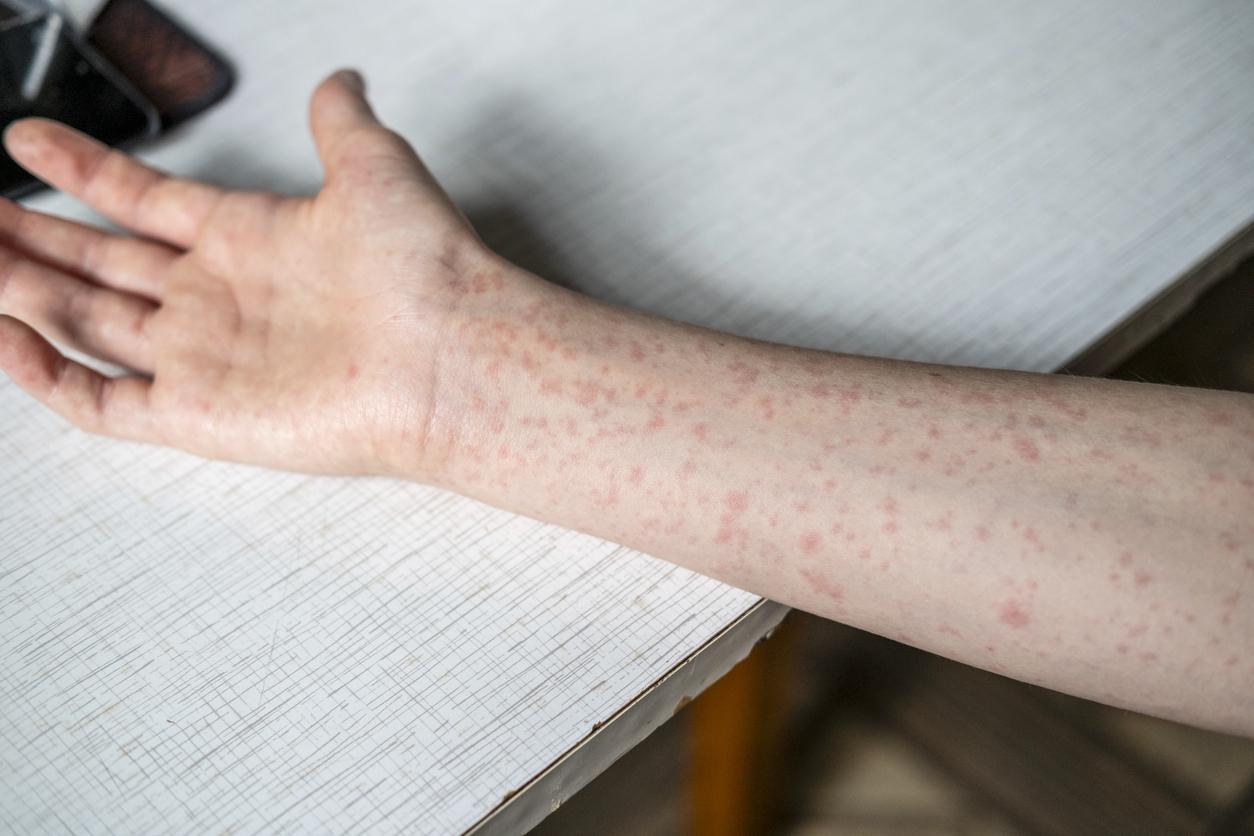

Cupping therapy is an ancient bodywork technique that has made a strong comeback in modern wellness culture. Originally practiced in traditional medicine systems, this method involves placing cups on the skin to create suction. As a result, blood flow increases to targeted areas, which may help ease muscle tension and discomfort. Today, athletes, wellness enthusiasts, and everyday pain sufferers alike are turning to cupping as a drug-free option for relief.
Although the technique looks dramatic, especially due to the circular marks it leaves behind, cupping has evolved significantly. Modern versions no longer rely on fire or fragile glass. Instead, safer and more accessible tools now offer similar benefits with less risk.
How Cupping Therapy Works in the Body
Cupping works by creating negative pressure on the skin. When suction lifts the skin and underlying tissue, blood vessels expand and circulation increases. Consequently, this process may help deliver more oxygen and nutrients to tight or sore muscles. At the same time, it can stimulate the nervous system, which may signal the body to relax tense areas.
In addition, cupping may encourage lymphatic drainage. This means it can help move stagnant fluids away from tissues, which could reduce swelling and stiffness. Because of these effects, people often report feeling lighter, looser, and more relaxed after a session.
Does Cupping Therapy Actually Relieve Pain
Many people use cupping for back pain, neck stiffness, headaches, and post-workout soreness. While results vary, some individuals experience noticeable relief shortly after treatment. This happens because increased circulation may temporarily reduce muscle tightness and improve mobility.
However, cupping is not a cure-all. It works best as a supportive therapy rather than a standalone solution. For example, when combined with stretching, hydration, and proper movement, its benefits may feel more pronounced. Therefore, expectations should remain realistic.
Common Side Effects You Should Know About
The most visible side effect of cupping is skin discoloration. These marks, often mistaken for bruises, are actually caused by blood pooling near the surface. They typically fade within a few days to a week.
Other possible effects include mild soreness, temporary swelling, or skin sensitivity. In rare cases, improper use may cause blisters or irritation. That said, when performed correctly, cupping is generally well tolerated by most people.
How Safe Is Cupping Therapy
Cupping is considered safe for healthy adults when done properly. Still, certain individuals should proceed with caution. People with skin infections, bleeding disorders, or very sensitive skin may want to avoid it. Similarly, cupping should not be used over open wounds or inflamed areas.
For beginners, starting gently is essential. Shorter sessions and lighter suction reduce the risk of discomfort. As with any body therapy, listening to your body remains crucial.
Modern At-Home Tools That Mimic Cupping Benefits
Thankfully, you no longer need fire or glass cups to experience suction-based relief. Silicone cups are now widely used because they are flexible, easy to control, and safer for home use. These cups allow users to adjust pressure manually, making them beginner-friendly.
Additionally, vacuum-style cups with hand pumps offer more precision without heat. Massage tools that combine suction with movement can also help release tension while minimizing skin marks. As a result, at-home options have made cupping-style relief more accessible than ever.
Final Thoughts on Whether Cupping Is Worth Trying
Cupping therapy may not work the same way for everyone. Still, many people find it helpful for short-term pain relief and relaxation. Because it is non-invasive and drug-free, it appeals to those seeking natural wellness solutions.
Ultimately, cupping works best when used thoughtfully and safely. When paired with healthy habits and proper body care, it can become a useful tool in managing everyday muscle tension and stress.