Judge Blocks Trump Order on Voter Citizenship Proof
A federal judge has permanently struck down former President Donald Trump’s order that required voters to present proof of U.S. citizenship when registering. The ruling is a major setback for Trump’s election-integrity agenda. It bars the federal government from demanding passports, birth certificates, or naturalization papers during voter registration.
The decision came from U.S. District Judge Colleen Kollar-Kotelly in Washington, D.C. She concluded that the president does not have authority to change federal voter-registration requirements without Congress. Election rules, she emphasized, are set by Congress and the states, not the White House.
Constitutional Limits and Court Findings
Judge Kollar-Kotelly stated that the Constitution assigns election powers to lawmakers and state officials. Her ruling said the executive branch cannot impose new eligibility requirements through an order alone. She noted that federal law already requires voters to affirm citizenship under penalty of perjury. According to the judge, that system has worked for decades.
The ruling permanently blocks changes to the federal voter-registration form. It prevents officials from adding extra documentation demands unless Congress approves a law requiring it.
Impact on Voters and Rights Groups
Voting-rights groups celebrated the decision. They argued the policy would have harmed eligible American voters. Advocates said many citizens, especially seniors, students, and low-income voters, do not have passports or easy access to original documents. The judge agreed that the rule could have placed an unfair barrier on legitimate voters.
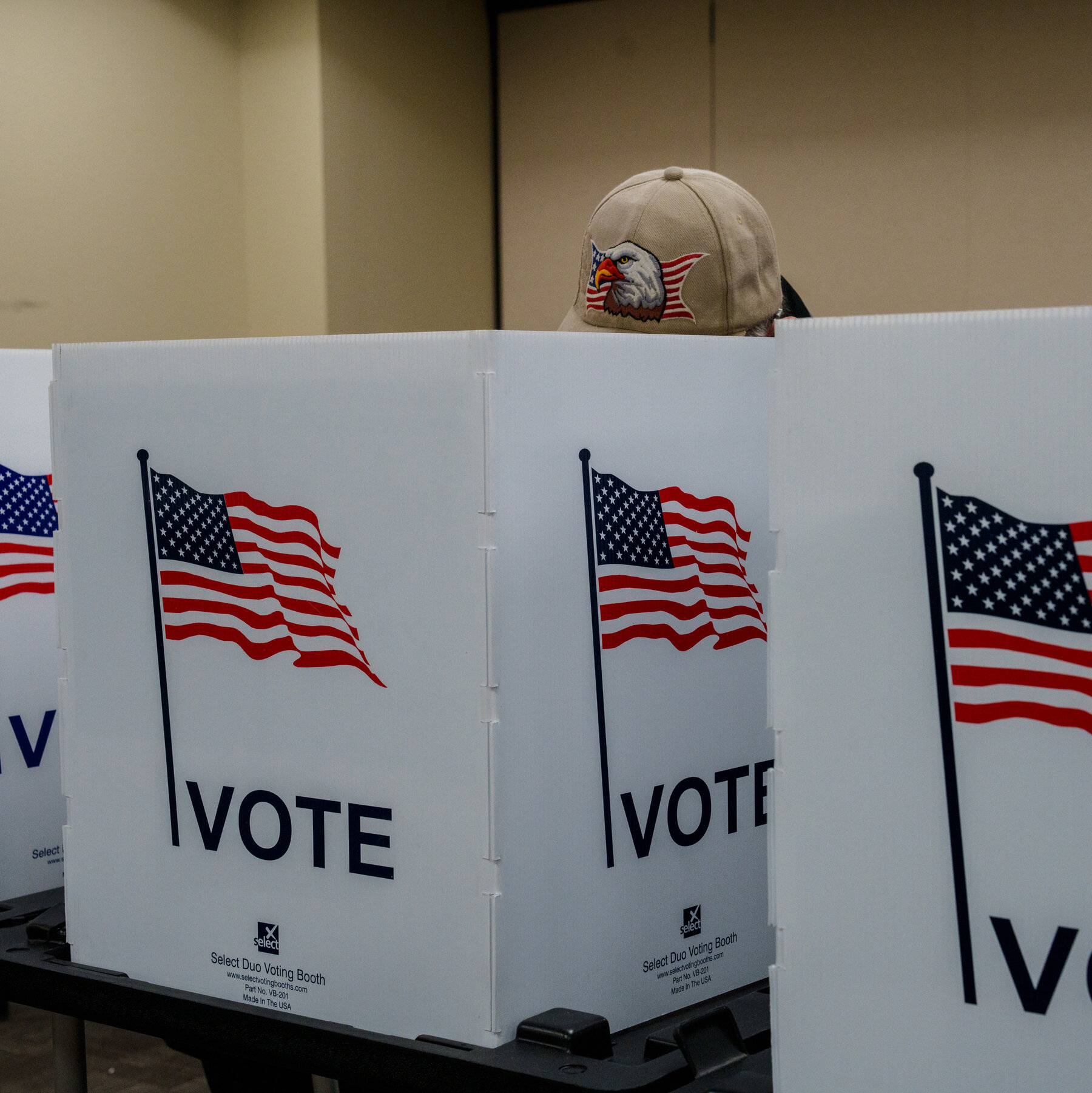
Civil-rights groups had sued to stop the order. They said the requirement risked large-scale voter disenfranchisement. With this ruling, registrants can still confirm citizenship through a signed declaration, as federal law allows.
Government Reaction and Future Legal Steps
Trump officials argued the proof-of-citizenship rule would prevent voter fraud. They maintain that stricter verification is needed to protect elections. However, independent reviews have found very few cases of non-citizen voting.
The administration is expected to consider an appeal. Other parts of the same executive order remain tied up in legal challenges. Those include rules on mail-in ballots and election-data oversight. More court battles are likely in the coming months.
Broader Significance for U.S. Elections
Legal experts say the ruling reinforces checks on presidential power. It signals that major election policies must come from Congress, not executive directives. The decision also comes as lawmakers debate national voter-verification proposals.
For now, Americans will continue registering to vote without presenting official citizenship paperwork. Supporters of the ruling say it protects both voter access and constitutional balance. The decision marks a major moment in the ongoing fight over voting rights and election security in the United States.