
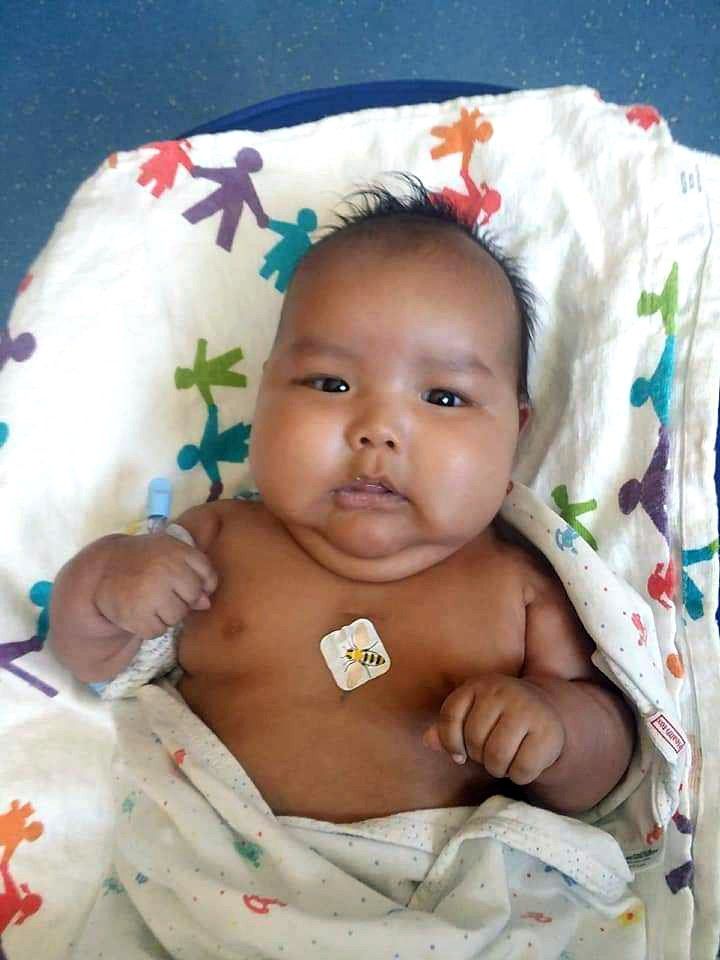
A young boy living with a rare inherited condition has stunned doctors after responding dramatically to a world-first gene therapy. His condition, known for causing gradual damage to the body and brain, usually limits treatment options. However, this breakthrough introduces a potential new era for patients who live with severe genetic disorders. The child, Oliver Chu, became one of the first to receive a pioneering therapy designed to tackle the underlying cause of the disease. Experts expected cautious progress, yet his improvement arrived faster than anyone predicted. Because the therapy acts directly on the genetic fault, it offers long-term hope rather than temporary relief. This shift marks a major milestone in the history of rare disease research.
Understanding the Rare Condition
The condition affects the body’s ability to break down certain complex molecules. When the body cannot remove these substances, they accumulate in cells and trigger damage throughout the body. As a result, children who live with this disorder often experience delayed development, reduced mobility, breathing challenges, organ complications, and cognitive decline. For years, available treatments focused on slowing symptoms. They required repeated hospital visits and placed tremendous emotional and physical strain on families. Although supportive therapies helped some patients manage daily challenges, they never addressed the root cause. Because of this, families around the world waited for a breakthrough that could change long-term outcomes.
How the Therapy Works
This new therapy uses a carefully engineered gene delivery system. Doctors insert a corrected version of the faulty gene into the body using a viral vector. Once delivered, the healthy gene begins producing the missing enzyme. As the enzyme levels rise, the harmful substances stop building up. Furthermore, early treatment may prevent irreversible damage. Because the therapy targets the biological source of the disease, it may reduce the need for lifelong interventions. Even more importantly, it could protect the brain, where previous treatments struggled to reach effectively.
Remarkable Early Results
Soon after treatment, Oliver began showing improvements that exceeded expectations. His energy increased. His responsiveness improved. His developmental progress advanced in ways doctors rarely saw in untreated patients. Some specialists described the progress as a glimpse into the future of rare disease care. Families following his journey expressed renewed hope. Although doctors continue to monitor him closely, the therapy’s early success suggests that intervention at a young age may change the typical course of this condition. Moreover, researchers believe these results support expanding the therapy to more patients who live with similar conditions.
A New Hope for Rare Disease Patients
This breakthrough serves as more than a medical achievement. It represents a powerful message for families who have waited years for meaningful options. Rare diseases often receive limited attention because small patient populations reduce research incentives. Yet this success proves that scientific innovation can still transform lives. As trials continue, researchers expect the data to shape the future of treatment strategies for multiple genetic conditions. This shift could eventually replace traditional therapies that only slow disease progression. While challenges remain, the world-first success offers a powerful glimpse into a future where children facing severe genetic disorders may finally have a chance at healthier lives.
Looking Ahead
The medical community will continue tracking long-term outcomes to confirm the therapy’s lasting impact. Even so, this milestone has already changed expectations. With each improvement, Oliver demonstrates what modern science can achieve when innovation meets determination. His journey now stands as inspiration for families, researchers, and healthcare teams worldwide.