
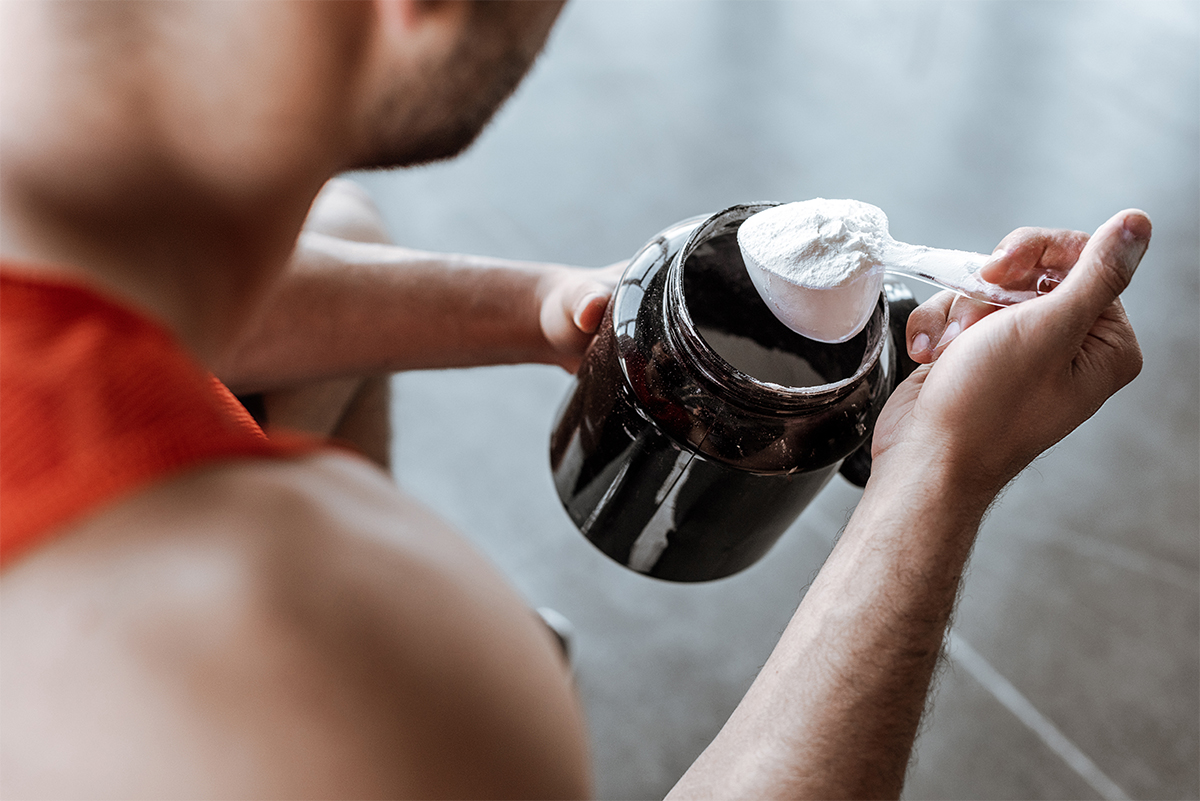
Pre-workout supplements promise energy, focus, and better performance. However, timing determines how well those benefits actually show up during your training. Many people take pre-workout out of habit, not strategy. Yet, when you take it can strongly influence endurance, strength output, and even recovery. Therefore, understanding the ideal window helps you get more from every scoop without unnecessary side effects.
Pre-workout formulas usually contain fast-acting ingredients. These compounds need time to absorb, circulate, and reach peak levels in the bloodstream. As a result, taking it too early or too late can blunt its effects. The goal is simple: align peak energy with the hardest part of your workout.
The Ideal Pre-Workout Window
Most evidence-based guidance points to taking pre-workout 20 to 40 minutes before training. During this window, ingredients like caffeine, amino acids, and nitric oxide boosters begin working right as your warm-up ends. Consequently, you feel alert, focused, and ready to push harder when intensity increases.
If you train early in the morning, lean closer to the 20-minute mark. Your body absorbs liquids faster after waking, so effects arrive sooner. On the other hand, afternoon or evening workouts often benefit from the full 30 to 40 minutes, especially after meals. This timing helps avoid sluggishness and ensures smoother energy release.
How Workout Type Changes the Timing
Not all workouts demand the same approach. Strength training often benefits from peak stimulation right as heavy sets begin. Therefore, timing pre-workout just before your main lifts works best. Endurance sessions, however, may feel better with a slightly earlier dose. That way, energy lasts through longer cardio blocks.
High-intensity interval training sits somewhere in between. Since intensity ramps up quickly, taking pre-workout about 25 to 30 minutes before starting often delivers the best balance of power and focus. In contrast, low-intensity or recovery workouts may not need pre-workout at all.
Eating Before Pre-Workout: Does It Matter?
Yes, food timing matters. Taking pre-workout on an empty stomach can speed absorption. However, it may also increase jitters or stomach discomfort. If you eat a full meal beforehand, absorption slows slightly. Still, performance benefits remain strong when timing adjusts.
A small snack 60 to 90 minutes before training pairs well with pre-workout taken later. This combination supports steady energy while reducing crashes. As a result, you feel fueled without feeling heavy.
Evening Workouts and Sleep Concerns
Late-day training requires extra care. Pre-workouts often include stimulants that can disrupt sleep if taken too late. Therefore, evening exercisers should shorten the timing window or choose lower-stimulant formulas. Taking pre-workout closer to 20 minutes before training may reduce lingering effects at bedtime.
Additionally, listening to your body matters. If sleep quality drops, performance will suffer over time. In that case, scaling back or skipping pre-workout at night can protect long-term progress.
Signs You’re Taking It at the Wrong Time
Your body gives clear feedback. If energy peaks during your commute or fades halfway through training, timing is off. Likewise, sudden crashes or excessive jitters suggest poor alignment. Adjusting by just 5 to 10 minutes can often fix these issues.
Consistency also plays a role. Taking pre-workout at wildly different times each session leads to inconsistent results. Instead, sticking to a routine helps your body respond more predictably.
Making Timing Work for You
Ultimately, the best time to take pre-workout depends on your schedule, digestion, and workout style. Still, the 20 to 40 minute window works for most people. Start there, observe how you feel, and fine-tune gradually. By doing so, you unlock better focus, stronger performance, and more productive training sessions without unnecessary drawbacks.
When timing matches intent, pre-workout becomes a tool—not a crutch—and your workouts feel sharper, stronger, and more controlled every time.