
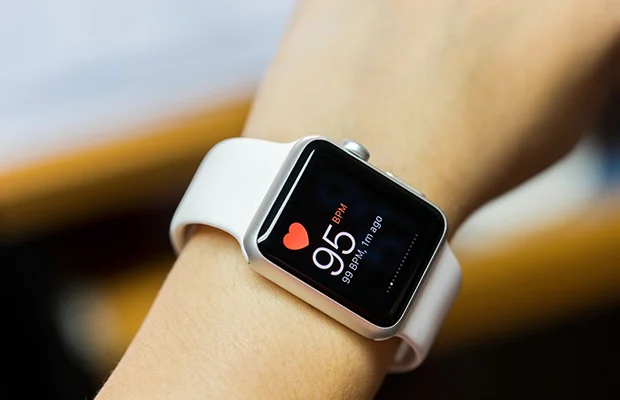
Heart rate monitor watches have become essential for anyone serious about health and fitness. In 2026, these devices do more than show a number. They interpret data, track trends, and help users stay ahead of issues. With heart health linked to overall wellness, many people now check their heart rate daily. Thus, the best watches offer accurate tracking in real time during workouts, sleep, and everyday life.
Leading brands like Apple, Garmin, Samsung, Fitbit, Polar, Coros, Suunto, and Xiaomi have raised the bar. Each brings unique strengths in sensors, software, battery life, and comfort. These improvements make heart rate monitoring more useful than ever.
Next-Level Sensor Accuracy
Great heart rate monitoring starts with strong sensors. Apple Watch Series 10 uses advanced optical and electrical sensors to deliver reliable readings. During workouts and recovery, it stays consistent. Similarly, Garmin Forerunner and Fenix models combine optics with motion data to reduce noise during intense activity.
Samsung Galaxy Watch series also shines with accurate tracking powered by multiple LED sensors. Meanwhile, Fitbit Charge 6 and Sense 3 add depth by linking heart rate to other health metrics like stress and sleep quality. Polar Grit X Pro and Coros Pace 3 appeal to endurance athletes with performance-focused algorithms.
These brands continually refine sensor tech, helping users trust the data they see day after day.
Comfortable Design for Daily Use
Comfort boosts daily wear and improves continuous tracking. Apple Watch and Samsung Galaxy Watch use premium materials and adjustable bands that stay secure without pinching. Garmin watches often offer rugged builds with soft silicone straps ideal for long sessions.
Fitbit devices stay lightweight and low-profile, which users appreciate overnight and during workouts. Xiaomi’s affordable models provide decent comfort and tracking in sleek designs. Overall, comfort impacts data quality and user satisfaction alike.
Battery Life That Keeps Pace
Battery performance varies across brands, but most 2026 models aim for multi-day use. Garmin Fenix and Coros Pace watches lead with long runtimes even with constant monitoring. Fitbit devices also deliver impressive battery life, reducing frequent charging.
Apple Watch and Samsung Galaxy Watch provide rich features at the cost of shorter battery spans, yet smart power management extends usage beyond a full day. Balancing features with battery life remains a key selling point.
Insights Beyond Raw Heart Rate
Modern watches translate numbers into insight. Apple Watch offers heart rate zones and recovery suggestions. Garmin highlights daily strain and VO2 max estimates. Fitbit connects resting heart rate trends with sleep patterns. Polar breaks down training load to guide performance improvements.
Meanwhile, Samsung Galaxy Watch links heart rate alerts with stress and sleep scores. Coros and Suunto focus on endurance metrics for runners and triathletes. These actionable insights help users improve fitness safely.
Sleep and Stress Tracking Integration
Sleep tracking is now standard among top brands. Fitbit Sense 3 excels with stress management tools tied to heart rate variability. Apple Watch tracks sleep stages and recovery. Garmin connects sleep quality with training load.
These features make the watch a complete wellness tool, not just a fitness gadget.
Choosing Your Best Heart Rate Monitor Watch
When choosing a heart rate monitor watch in 2026, consider accuracy, comfort, battery life, and the ecosystem you prefer. Whether you lean toward Apple’s intuitive interface, Garmin’s rugged build, Samsung’s balanced features, Fitbit’s wellness focus, or performance-driven brands like Polar, Coros, and Suunto, there’s a top choice for every lifestyle.
The right watch won’t just track heart rate — it will help you understand it, act on it, and improve your overall health every day.