
Dinner often becomes the largest meal of the day. Because of that, it strongly influences cholesterol levels. The foods you eat at night can either support heart health or quietly raise LDL cholesterol over time. Fortunately, with the right ingredients and balance, dinner can actively help reduce cholesterol while still feeling satisfying.
Instead of extreme restrictions, a cholesterol-lowering dinner focuses on fiber, healthy fats, and lean protein. When these elements work together, they help reduce cholesterol absorption, support liver function, and improve overall metabolic health. Most importantly, this approach feels realistic and sustainable.
The Ideal Plate for Lowering High Cholesterol
A balanced dinner plate makes cholesterol control easier. First, half of the plate should come from colorful vegetables. These provide soluble fiber, antioxidants, and plant compounds that help bind cholesterol in the digestive system.
Next, one quarter of the plate should include lean protein. This helps stabilize blood sugar and prevents overeating later. The remaining quarter should come from whole grains or starchy vegetables, which add more fiber and long-lasting energy.
Healthy fats also matter. Small amounts of unsaturated fats improve cholesterol ratios by lowering LDL while supporting HDL levels. Therefore, the quality of fat matters more than the quantity.
Best Vegetables to Include at Dinner
Vegetables play a powerful role in lowering cholesterol. Leafy greens, broccoli, carrots, okra, eggplant, and bell peppers contain soluble fiber that helps remove cholesterol from the body. In addition, their antioxidants reduce inflammation, which protects blood vessels.
Roasting, steaming, or lightly sautéing vegetables keeps nutrients intact while enhancing flavor. Avoid deep frying, as it adds unhealthy fats that work against cholesterol goals.
Smart Protein Choices for Heart Health
Protein choices can either help or harm cholesterol levels. Lean proteins such as beans, lentils, chickpeas, tofu, fish, and skinless poultry support heart health without adding excess saturated fat.
Plant-based proteins deserve special attention. They contain no dietary cholesterol and offer additional fiber. As a result, they help lower LDL levels more effectively than many animal-based options. Rotating plant proteins into dinner several times a week can make a noticeable difference.
Whole Grains That Support Cholesterol Control
Whole grains provide beta-glucan and other soluble fibers known to reduce cholesterol absorption. Brown rice, oats, barley, quinoa, and whole wheat add texture and satisfaction to dinner without causing blood sugar spikes.
Unlike refined grains, whole grains digest slowly. Therefore, they help control appetite and support weight management, which indirectly improves cholesterol levels.
Healthy Fats That Improve Cholesterol Balance
Not all fats are harmful. In fact, unsaturated fats help improve cholesterol profiles. Olive oil, nuts, seeds, and avocados support heart health when used in moderation.
Cooking with small amounts of healthy oil and adding seeds or nuts as toppings can enhance flavor without overloading calories. Meanwhile, avoiding trans fats and limiting saturated fats remains essential for cholesterol control.
A Sample Cholesterol-Lowering Dinner
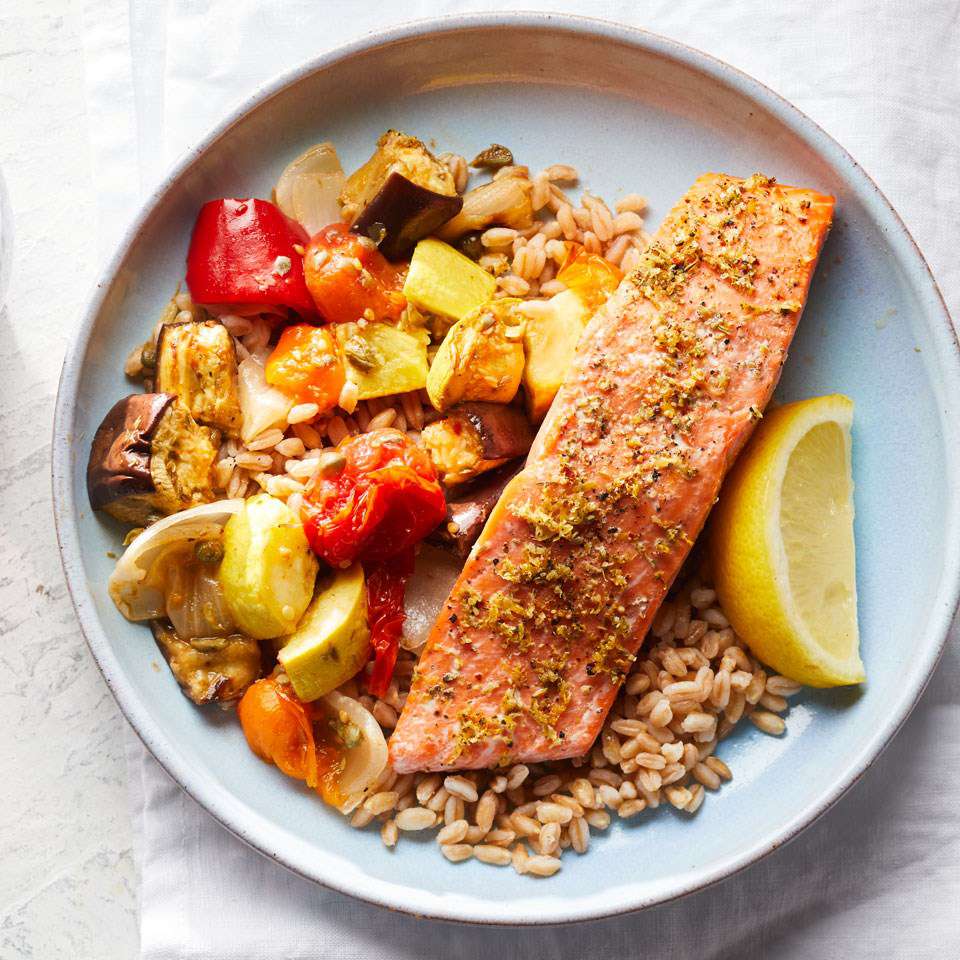
An effective dinner could include a bowl of lentils or grilled fish, a large serving of roasted vegetables, and a portion of whole grains like quinoa or brown rice. A drizzle of healthy oil and fresh herbs adds taste without harm.
This type of meal feels filling, balanced, and comforting. At the same time, it actively supports lower cholesterol levels through fiber, healthy fats, and nutrient density.
Habits That Boost Dinner’s Cholesterol Benefits
How you eat matters as much as what you eat. Eating slowly helps regulate hormones that control hunger and fat storage. Drinking water with meals supports digestion and fullness.
Additionally, keeping dinner portions reasonable and avoiding late-night overeating improves lipid metabolism. When combined with regular movement and adequate sleep, these habits amplify the benefits of a heart-healthy dinner.
The Bottom Line
The best dinner to lower high cholesterol is not about deprivation. Instead, it focuses on vegetables, lean protein, whole grains, and healthy fats working together. With consistent choices and mindful habits, dinner becomes a powerful tool for protecting heart health.
Over time, these simple changes can lead to measurable improvements in cholesterol levels while still allowing you to enjoy flavorful, satisfying meals every evening.