
Knee osteoarthritis is one of the most common joint conditions affecting millions worldwide, causing pain, stiffness, and reduced mobility. It occurs when the protective cartilage between bones wears down, leading to inflammation and discomfort. While medication and rest can provide temporary relief, long-term management often depends on consistent movement and exercise. Surprisingly, aerobic workouts play a crucial role in reducing pain, improving joint flexibility, and maintaining a healthy weight—all essential for managing osteoarthritis effectively.
Why Aerobic Exercise Matters for Joint Health
Aerobic exercise boosts blood circulation, delivering more oxygen and nutrients to the knee joints. It also helps reduce stiffness, strengthens the surrounding muscles, and prevents further cartilage damage. Regular movement lubricates the joints, allowing smoother motion and less discomfort during daily activities. In addition, aerobic training helps maintain a healthy body weight, reducing pressure on the knees and preventing the condition from worsening.
Low-Impact Aerobic Exercises for Knee Pain Relief
Not all workouts are suitable for osteoarthritis. High-impact movements like jumping or running may aggravate joint pain. Instead, low-impact aerobic exercises are ideal because they minimize stress while maximizing benefits.
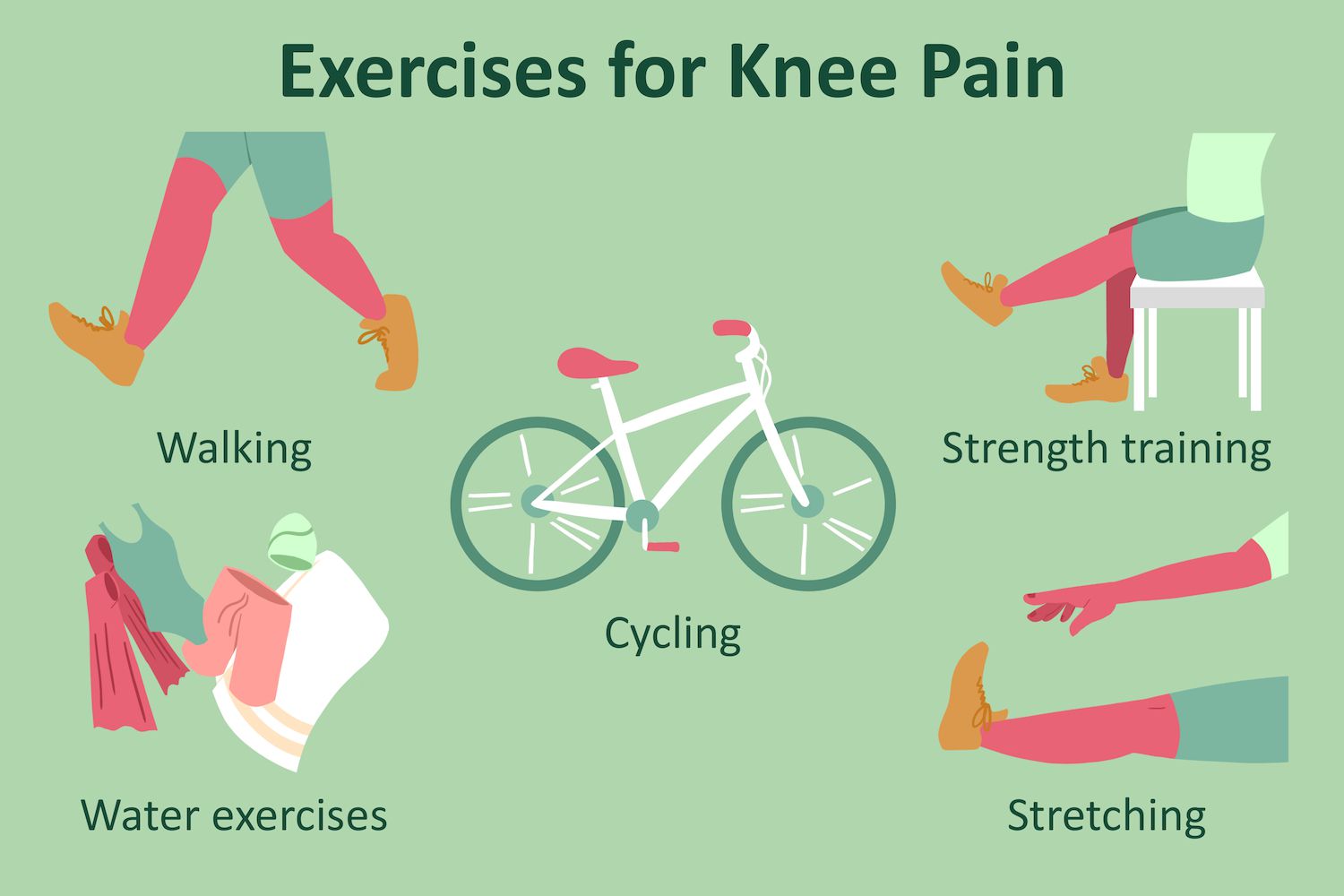
1. Walking: One of the simplest yet most effective exercises for knee osteoarthritis. A brisk 20-30 minute walk daily strengthens muscles, enhances endurance, and promotes joint mobility. Walking on flat surfaces is recommended to reduce strain.
2. Cycling: Stationary or outdoor cycling is a joint-friendly way to boost cardiovascular health. It engages the leg muscles without heavy impact, improving circulation and knee flexibility. Adjusting the seat height ensures minimal stress on the joints.
3. Swimming and Water Aerobics: Exercising in water significantly reduces joint load, making it easier to move without pain. The buoyancy supports body weight, while resistance from water tones muscles and improves balance.
4. Elliptical Training: An elliptical machine mimics natural walking and running movements but without harsh knee impact. It helps burn calories, improve endurance, and strengthen the legs and core.
5. Dancing or Low-Impact Aerobics: Gentle dance routines and modified aerobic classes can boost heart rate while keeping knees safe. Controlled movements and rhythm improve coordination and muscle tone.
Tips for Safe Aerobic Workouts with Osteoarthritis
Consistency is key, but safety should always come first. Start slow and increase intensity gradually. Warm up before each session and cool down afterward with stretches to prevent stiffness. Wearing supportive shoes and exercising on soft surfaces reduces joint stress. Listening to your body is vital—if pain increases, reduce intensity or rest before resuming. Combining aerobic exercises with gentle strength training can further stabilize the knee and prevent injuries.
The Long-Term Benefits of Regular Movement
Over time, individuals who stick to aerobic workouts notice significant improvements in pain management, joint flexibility, and overall energy. Physical activity also releases endorphins, the body’s natural pain relievers, improving mental well-being and motivation. Most importantly, regular exercise promotes independence, allowing people with osteoarthritis to enjoy daily activities without constant discomfort.
Conclusion
Knee osteoarthritis doesn’t have to mean giving up movement. Incorporating safe, low-impact aerobic exercises into a daily routine can transform joint health, reduce pain, and restore quality of life. By staying active, managing weight, and following a consistent plan, you can strengthen your knees and regain control over your mobility naturally.