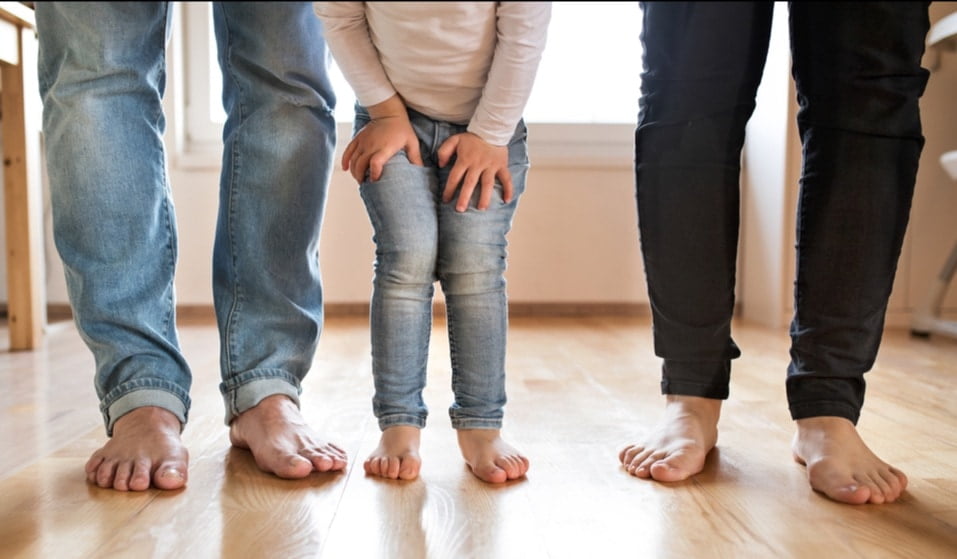
Walking barefoot at home feels freeing and natural. It allows your feet to move without restriction and gives a sense of comfort after a long day in shoes. Many people believe barefoot walking strengthens foot muscles and improves balance. While this can be true in certain environments, modern homes create very different conditions for your feet. As a result, what feels good in the moment may not always support long-term foot health.
The Hidden Problem With Hard Floors
Most homes today have tile, marble, laminate, or hardwood floors. These surfaces look beautiful, yet they provide almost no shock absorption. Every step sends force back into your feet, ankles, and knees. Over time, this repeated impact may strain muscles and ligaments. Even healthy feet can begin to ache, especially in the heels and arches. Therefore, barefoot walking on hard floors for hours each day may quietly increase discomfort.
How Lack of Support Affects Your Feet
Your feet rely on arches to absorb pressure and distribute weight evenly. When you walk barefoot indoors, especially on flat surfaces, your arches receive no added support. Consequently, the plantar fascia may stretch too much. This can lead to stiffness, tenderness, or morning heel pain. Moreover, people with naturally flat feet or high arches face higher risk because their feet already work harder to stay balanced.
Small Injuries Add Up Over Time
Minor foot stress often goes unnoticed at first. However, small issues can build gradually. Tiny cracks in dry skin, repeated pressure on the same spots, or subtle changes in walking patterns may cause problems later. In addition, hard floors increase friction, which can worsen calluses or corns. While these issues seem minor, they may affect comfort and mobility if ignored.
Hidden Household Hazards You May Miss
Homes contain more foot hazards than most people realize. Furniture edges, toys, loose rugs, and dropped objects create constant risk. Even a light stubbed toe can cause bruising or swelling. Slipping on smooth floors also becomes more likely when feet lack grip. For older adults or people with balance issues, these risks increase further. Therefore, barefoot walking may not be as harmless as it seems.
When Barefoot Time Can Be Helpful
Barefoot walking is not always bad. In fact, short periods on softer surfaces can improve foot awareness and flexibility. Carpets, yoga mats, or grassy outdoor areas allow your feet to move naturally with less impact. Additionally, brief barefoot exercises may help strengthen small foot muscles. The key is moderation and choosing the right surface.
Why House Shoes Make a Difference
House shoes provide a middle ground between barefoot freedom and outdoor footwear. They offer cushioning that reduces impact from hard floors. At the same time, supportive soles help maintain proper alignment. Many house shoes also include textured bottoms, which improve grip and reduce slips. Because of this, they can protect your feet without sacrificing comfort.
Choosing the Right House Shoes
Not all house shoes offer equal benefits. Look for pairs with firm yet cushioned soles that do not bend easily in the middle. A slight arch contour helps distribute pressure more evenly. Closed backs or secure straps improve stability, especially when moving around frequently. Furthermore, breathable materials keep feet comfortable throughout the day.
Who Should Avoid Going Barefoot Indoors
Some people need extra caution. Those with diabetes, circulation issues, or reduced sensation in the feet face higher risk of unnoticed injuries. Similarly, anyone with recurring heel pain, ankle weakness, or knee discomfort may benefit from supportive indoor footwear. In these cases, house shoes act as a simple preventive tool.
Finding the Right Balance
Barefoot time can feel relaxing and natural. However, long hours on hard indoor floors may stress even healthy feet. By alternating barefoot moments with supportive house shoes, you can protect your feet while staying comfortable. Ultimately, listening to early signs of discomfort helps prevent bigger problems later. Your feet support you every day, so giving them the right balance of freedom and protection truly matters.