
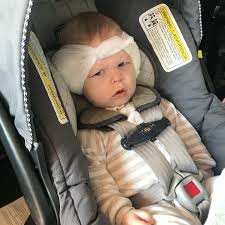
Medical advances now allow infants as young as seven months to receive cochlear implants. These devices dramatically improve hearing and speech development. Children can now engage with sound and language much earlier than before.
Safer Surgery for Younger Infants
Previously, doctors recommended cochlear implants for children 12 months or older. New surgical techniques and improved device technology make early implantation safe. Experts say earlier intervention increases a child’s chances for language and social development.
How Cochlear Implants Work
Cochlear implants bypass damaged inner ear parts and stimulate the auditory nerve directly. This helps the brain interpret sounds, including speech, closely resembling natural hearing. Parents report that infants respond to voices and environmental sounds within weeks.
Boosting Cognitive and Emotional Development
Hearing early affects more than speech. Infants implanted sooner show better comprehension, vocabulary, and social interaction. The first year is critical for brain development related to hearing, making timely intervention essential.
Evaluation and Therapy Are Key
Doctors recommend a full evaluation before implantation. Tests may include hearing assessments, imaging studies, and consultations with specialists. After implantation, consistent therapy helps children develop listening and speech skills quickly.
Support from Families Matters
Caregivers play a vital role in helping children adapt. Parents and therapists reinforce speech patterns and encourage communication. This support maximizes the benefits of the implant and accelerates progress.
Expanding Access to Early Implants
Health systems increasingly identify hearing issues in newborns to ensure early referrals. Removing barriers allows more families to benefit from early intervention. This approach reduces long-term challenges and improves quality of life.
A Transformative Opportunity
Early cochlear implantation gives infants access to sound during critical developmental stages. Children gain opportunities for learning, social connection, and communication that were previously delayed. Families now have hope for a brighter future with better hearing outcomes.