
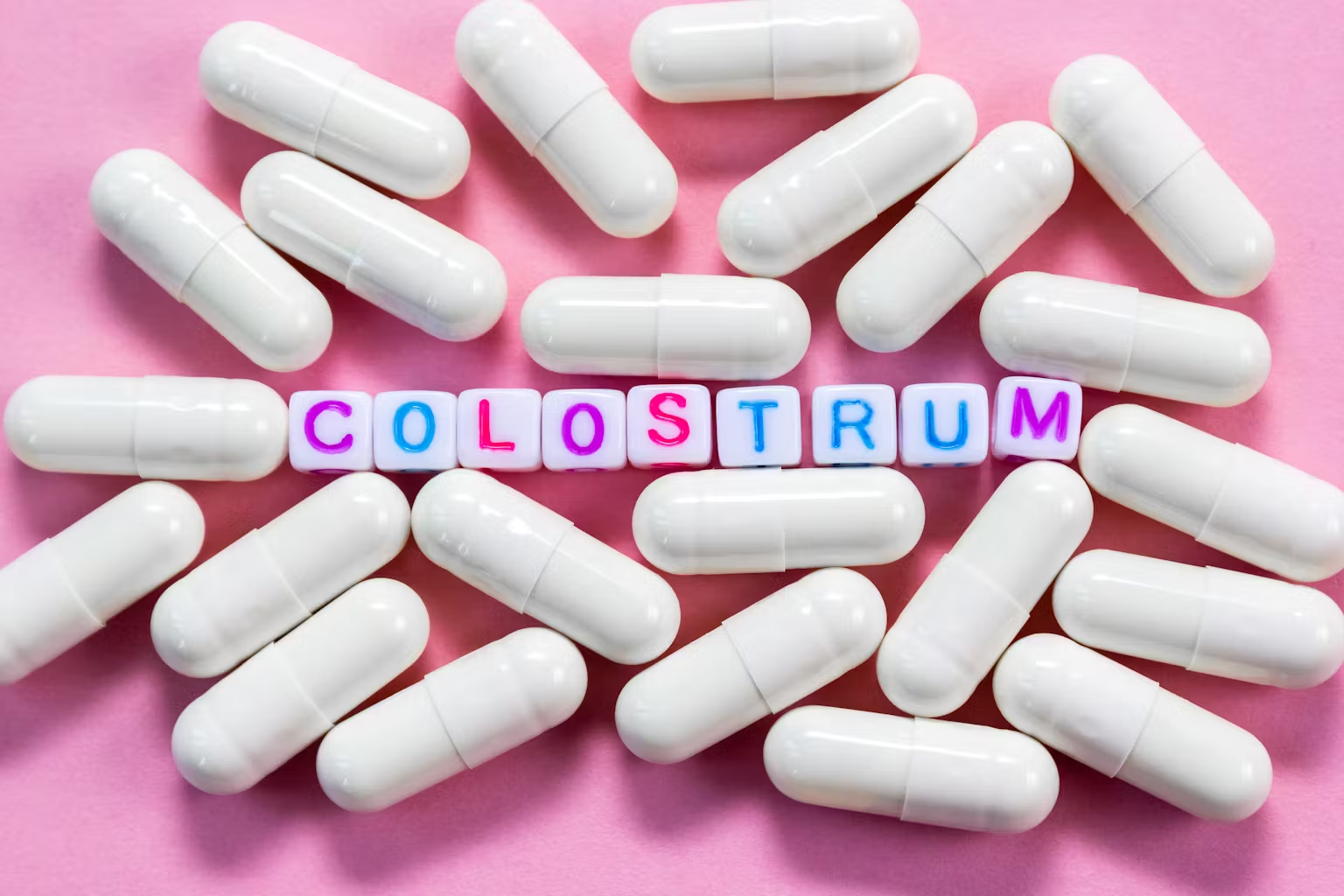
Colostrum supplements have become a booming $2.4 billion trend in the wellness world. With bold claims about immune strength, gut repair, and athletic performance, these powders and capsules continue to attract attention. Many people wonder whether these products offer real benefits or simply follow marketing-driven excitement. Because the stakes feel high for those seeking better health, exploring what colostrum can genuinely deliver becomes essential.
What Exactly Is Colostrum?
Colostrum is the first nutrient-rich fluid produced by mammals after birth. It contains proteins, antibodies, and growth factors. Supplement makers extract it from cows and process it into concentrated powders. Since it holds natural compounds linked to immunity and gut support, many believe it provides a strong wellness advantage. However, the supplement form may not match the complexity of its original natural state.
Why Consumers Turn to Colostrum
Wellness enthusiasts often choose colostrum for several reasons. They seek stronger immunity, better digestion, and higher energy. As busy lifestyles and stress weaken wellness routines, many people search for convenient solutions. Colostrum fits that need, especially with powders that blend easily into smoothies. It also appears in fitness circles, where athletes claim it helps recovery and performance. Because of these promises, demand rises each year.
Do the Claimed Benefits Hold Up?
Some early research suggests that colostrum might help support gut lining function. It may also assist immune response because it contains natural antibodies. Still, results vary widely, and many studies remain small or limited. Scientists continue to ask whether processed colostrum works like the natural version. While some users report improvements, others see no noticeable changes. This difference creates ongoing debate about its actual effectiveness.
The Growing Market Push
The surge in popularity results from aggressive wellness marketing. Brands highlight colostrum’s impressive nutrient profile and connect it to modern health needs. Smooth packaging, influencer promotion, and wellness-focused campaigns fuel demand. As a result, people often buy it hoping for a quick health boost. Yet consumers should understand that supplements cannot replace balanced habits. Diet, sleep, movement, and stress management still matter more.
Is It Safe to Try?
For most healthy adults, colostrum appears generally safe. Still, individuals with dairy sensitivities must approach it carefully. Because colostrum comes from cows, it may trigger reactions in some people. Anyone with medical conditions or allergies should always consult a professional before adding new supplements. Taking moderate doses and monitoring the body’s response remain essential steps.
Does It Justify Its Price?
Colostrum supplements usually cost far more than standard protein powders or vitamins. Many users question whether the price reflects actual results. Since evidence remains mixed, the choice depends on personal experience and wellness goals. Some people feel it supports their digestive comfort or immunity during stressful seasons. Others feel no difference and consider it not worth the expense. A cautious, trial-based approach works best before committing long-term.
The Bottom Line
Colostrum supplements lead a fast-growing trend because people want easy wellness solutions. They may offer benefits for gut support and immune balance, but results remain inconsistent. Because research still evolves, expectations must stay realistic. Colostrum should never replace proven lifestyle habits. Instead, it may serve as an optional addition for those curious enough to test it. Ultimately, the value depends on personal results, not marketing promises.