
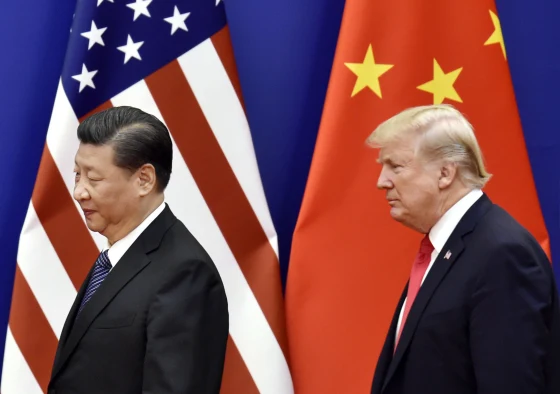
Former U.S. President Donald Trump has unveiled a stunning economic move: a 130% tariff on Chinese goods, signaling the most aggressive escalation in trade tensions since the first trade war of 2018–2020. This sweeping decision has sent shockwaves through global markets, stirred geopolitical anxieties, and triggered urgent responses from economic allies and rivals. Analysts warn that this could reshape global supply chains, raise consumer prices, and potentially spark retaliatory action from Beijing.
A Clear Message to China—and the World
Trump framed the move as a defense against “unfair trade practices” and “economic manipulation” by China. He blamed Beijing for intellectual property theft, currency control, and flooding U.S. markets with cheap goods that undermine America’s manufacturing sector.
This announcement serves not just as an economic measure, but a political statement that the era of tariff battles is far from over. It signals a revival of protectionist policies that once defined his presidency.
What Exactly Is Being Taxed?
The 130% tariff is expected to target a wide range of products, including:
- Electronics and smartphones
- Steel and aluminum
- Automotive components
- Solar panels and batteries
- Consumer goods and textiles
This broad approach goes far beyond previous rounds of tariffs, making it one of the most expansive levies in modern trade history.
Global Markets React Instantly
Financial markets wasted no time responding:
- Stock indexes slid sharply amid fears of supply chain disruptions.
- Commodity prices spiked, especially metals and energy.
- Investors turned to safe havens like gold and the U.S. dollar.
Multinational corporations began urgent assessments of manufacturing strategies, fearing higher costs and delays.
China’s Possible Counterattack
While China has not yet unveiled a formal response, experts predict several powerful countermeasures:
- Tariffs on American agriculture
- Restrictions on U.S. tech companies operating in China
- Currency devaluation to offset tariff effects
- Redirecting trade alliances toward Europe, Africa, and Latin America
If China retaliates, the world could witness a full-scale economic standoff, worse than the previous trade war.
Impact on American Consumers and Businesses
Although the tariffs aim to protect U.S. industries, they may have unintended consequences:
- Higher prices on electronics, clothing, and household items
- Increased production costs for U.S. manufacturers who rely on Chinese components
- Rising inflation, forcing the Federal Reserve to maintain higher interest rates
- Potential job losses in sectors tied to global trade
Small and medium-sized businesses are particularly vulnerable, as they lack the resources to rapidly shift supply chains.
Global Trade Alliances Under Pressure
Allies in Europe and Asia are alarmed. Many worry the tariffs will create pressure to choose sides between the United States and China. This divide could fracture existing international trade agreements and push countries to form new regional blocs, altering the global balance of power.
Domestic Political Strategy
Trump’s tariff announcement also serves a political purpose. It reinforces his America-first economic message and appeals to voters in manufacturing-heavy states. By reigniting the trade war narrative, he positions himself as the leader willing to take bold action against global competitors.
Could This Trigger a New Economic Era?
Some analysts argue this may accelerate the decoupling of the U.S. and Chinese economies, leading to:
- Reshoring of manufacturing jobs
- Growth in alternative markets like India, Vietnam, and Mexico
- A new wave of automation and AI-driven production
However, others warn the economic pain could outweigh the gains if the conflict spirals out of control.
The World Holds Its Breath
With tariffs set at a staggering 130%, the global economic landscape is entering uncharted territory. Whether this move leads to negotiation or confrontation remains unclear. What is certain is that the trade war is back—and this time, it could be even more explosive.
The world is watching. The markets are trembling. And the trade battlefield has just been redrawn.