
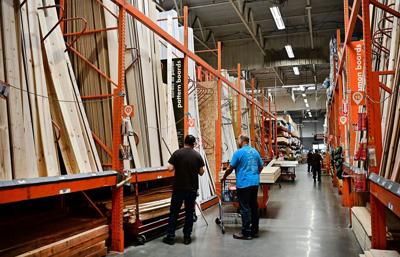
Trump tariffs on furniture and lumber are at the center of a sweeping move aimed at reshaping U.S. trade policy, as former President Donald Trump announced new duties targeting critical segments of the American home and construction market. Lumber imports will now face a 10% tariff, while finished goods including furniture and kitchen cabinets will be hit with a 25% tariff. The decision has sent shockwaves through the housing sector, retail markets, and global supply chains.
A Two-Pronged Tariff Strategy
The tariffs are designed to protect domestic producers on two fronts. The lumber industry has long complained of cheap imports from Canada, which dominate the U.S. supply chain. By raising costs on imported lumber, Trump hopes to boost demand for American timber producers.
The 25% tariff on furniture and cabinets targets manufacturers in Asia—especially China and Vietnam. These countries supply a large share of the U.S. furniture market. The policy aims to encourage domestic production and bring back jobs lost to offshore competition.
Rising Prices Loom for Consumers
The administration calls the move a win for American workers. Critics disagree, arguing that tariffs will almost certainly raise consumer costs. Lumber is a core material in construction and renovations. A 10% hike on raw material imports could push housing prices even higher, at a time when affordability is already stretched.
Furniture and cabinets may see even sharper increases. A 25% tariff means many budget and mid-range furniture options will surge in price. Families who rely on affordable imports could feel the squeeze.
Housing Market at Risk
The announcement comes at a difficult moment for the U.S. housing market. Mortgage rates remain elevated, and inventory is tight. Builders warn that higher material costs will slow construction and worsen the shortage of affordable housing.
Analysts predict that if lumber prices spike, the average cost of a new home could rise by thousands of dollars. More expensive furniture and cabinets may make homeownership even harder for middle-class families.
Industry Reactions Mixed
American lumber producers and some furniture manufacturers support the move. They view it as overdue protection against unfair global competition. But trade groups representing retailers and builders strongly oppose the tariffs.
The National Association of Home Builders warned of “serious negative consequences” for both builders and buyers. Furniture retailers, many of which depend on global supply chains, are also bracing for increased costs that will likely be passed down to shoppers.
Global Trade Tensions Escalate
International partners are expected to respond. Canada, a key lumber exporter, has long pushed back against U.S. duties, sparking disputes at the World Trade Organization. Asian countries affected by the furniture tariffs may retaliate with tariffs of their own, which could drag more U.S. industries into a trade battle.
Looking Ahead
The tariffs are set to take effect immediately. The full fallout, however, will unfold in the months ahead. Homebuyers, builders, and consumers are watching prices closely. Policymakers must decide whether the short-term pain is worth the long-term gamble of reviving U.S. manufacturing.
What is clear is that Trump’s decision puts tariffs once again at the center of U.S. economic policy. The debate over whether protectionism helps or hurts Americans is far from over.