A Triumphant Comeback
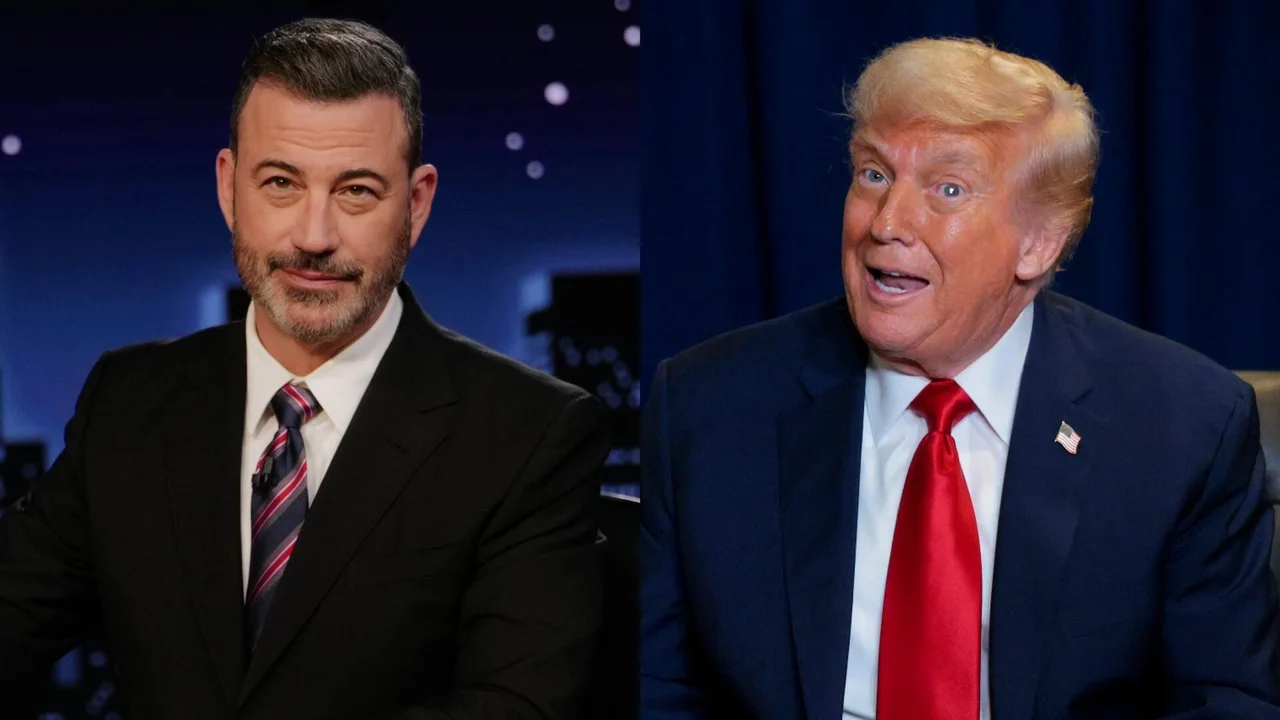
Late-night television got a sharp jolt of energy as Jimmy Kimmel returned for his second show after a brief suspension. He wasted no time highlighting both his booming ratings and his favorite political target, Donald Trump. With a mix of self-congratulation and biting wit, Kimmel reminded audiences why his voice still resonates in American late-night culture.
Ratings as the Punchline
Kimmel opened by joking about his own success. His first show back pulled in “big ratings”—a fact he acknowledged with both pride and self-deprecation. For late-night hosts, ratings have always been a measure of cultural relevance. Kimmel leaned into that idea, framing his comeback not just as a return but as a triumph. “We had numbers so good,” he quipped, “I half expected Nielsen to call and ask me to host The Bachelor.”
Trump as the ‘80s Bully
After warming up the crowd, Kimmel shifted his focus to Donald Trump. He compared the former president to an “’80s-movie-style bully,” drawing laughter with exaggerated references. Kimmel painted Trump as the classic antagonist who stuffs nerds into lockers, steals lunch money, and sneers at anyone who dares to stand up.
The metaphor landed because it tapped into cultural memory. For many Americans, ‘80s teen movies symbolize simple good-versus-evil stories where the bully always loses in the end. By casting Trump in that role, Kimmel framed today’s political climate as a high-school comedy with an uncertain ending.
Comedy With Commentary
Kimmel’s confidence stood out. He blended humor with pointed political commentary, showing that ignoring Trump wasn’t an option. “The ratings are great,” he joked, “but they’d be even better if I had a giant spray tan and yelled about rigged elections for an hour.”
The studio audience erupted, and clips quickly went viral on social media. Supporters praised his timely humor, while critics accused him of recycling anti-Trump material. Either way, people were paying attention.
Late-Night Relevance in a Streaming World
Kimmel’s return also answered bigger questions about his role in today’s fractured media landscape. His suspension had sparked speculation about his future in late-night television. But his ratings rebound and sharp comedic timing proved he remains essential.
The Takeaway
By the end of the show, Kimmel lightened the mood with sketches and guest teases. Yet the main message was clear: ratings matter, comedy matters, and calling out public figures like Trump is part of late-night’s DNA.
Whether audiences love or hate his politics, Jimmy Kimmel showed he still knows how to command attention. And in late-night television, that is the ultimate victory.