It Seemed Like a Ghost Town’: LA Food Vendors on How Trump’s ICE Raids Affected Business
Los Angeles street vendors, long considered the heart of the city’s vibrant food culture, have spoken out about the devastating impact of Trump-era ICE raids on their livelihoods. For many, the sudden presence of immigration enforcement turned once-bustling streets into eerily empty spaces, stripping away both customers and confidence.
A City’s Food Culture Shaken
Los Angeles is home to thousands of food vendors—selling everything from tacos and pupusas to fresh fruit and tamales. These vendors are not only entrepreneurs but also cultural ambassadors, representing immigrant traditions from across Latin America and beyond. Yet, during the period of heightened ICE activity, many vendors described their usual crowds vanishing almost overnight.
“It felt like a ghost town,” said one vendor, recalling how familiar corners where lines of customers once gathered stood empty for days. “People were afraid to come out, even for food.”
Fear in the Community
The fear created by immigration raids spread far beyond undocumented residents. Families avoided public areas, community events were sparsely attended, and even documented immigrants worried about being targeted in error. This chilling effect directly hit food vendors, who rely on dense foot traffic and local trust.
One fruit vendor explained that sales plummeted by nearly half during the weeks following the raids. “I didn’t know if I should even set up my cart,” she said. “If customers were too scared to stop, what was the point?”
The Economic Toll
Street vending is a fragile economy in itself—cash-based, low-margin, and highly dependent on steady customer flow. With ICE raids pushing residents indoors, vendors experienced losses they could not recover. For some, this meant falling behind on rent, skipping utility bills, or taking on debt just to survive.
Advocates have warned that the raids not only damaged individuals but also disrupted Los Angeles’s broader economy. Street food contributes to tourism, neighborhood culture, and the local tax base. When vendors suffer, ripple effects spread through entire communities.
Vendors Caught Between Survival and Fear
Many vendors also worried about their own safety. For those without full legal status, the risk of being caught in an ICE sweep while simply trying to earn a living was a constant threat. Some stayed home for weeks, prioritizing their safety over desperately needed income.
Even those with legal residency or citizenship described feeling unsafe. “It didn’t matter what your papers said,” explained one tamale vendor. “If ICE was around, people ran. Fear is contagious.”
Resilience Amid Adversity
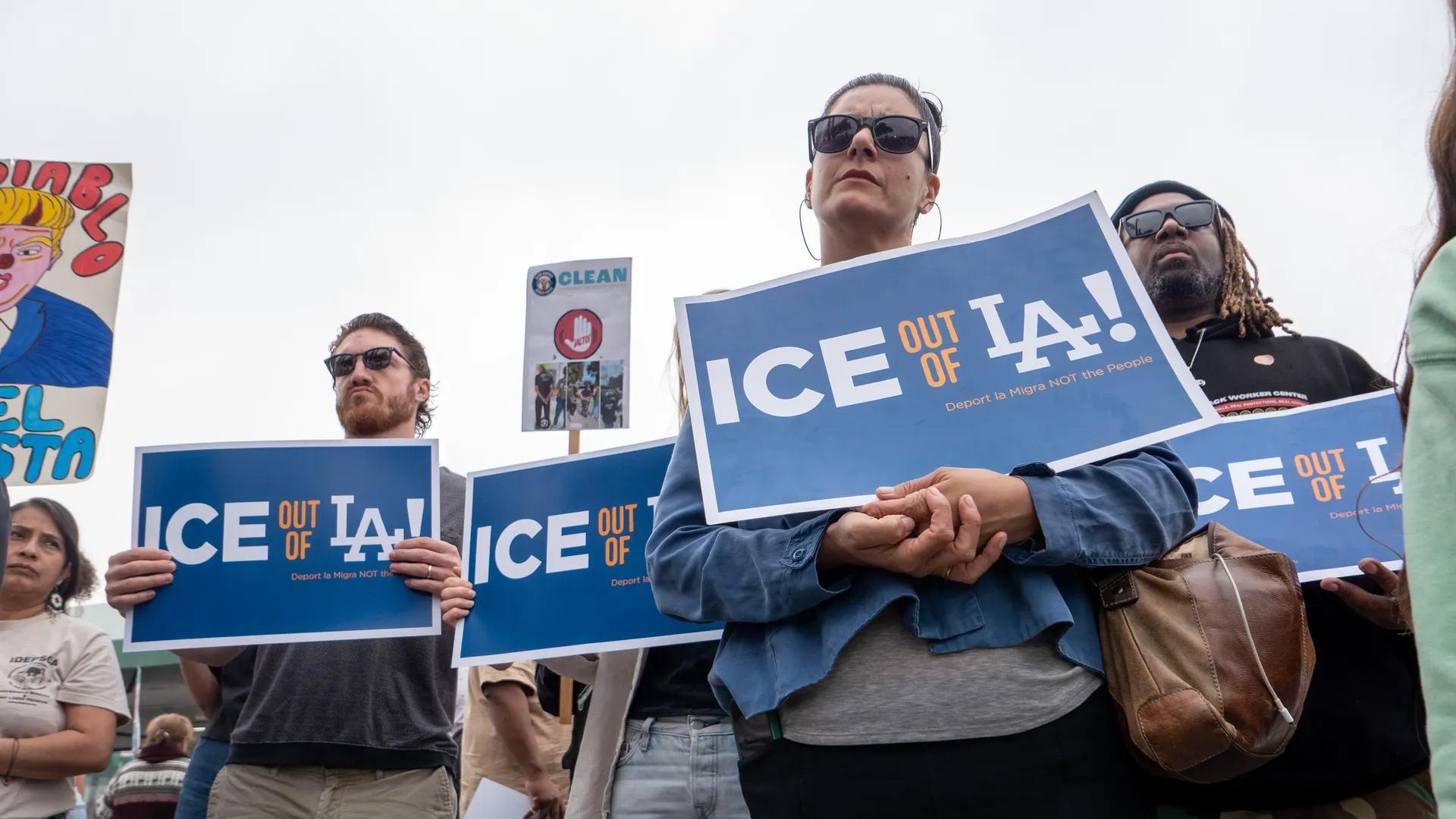
Despite the hardships, Los Angeles food vendors displayed remarkable resilience. Community groups and activists organized “buy from a vendor” events, encouraging residents to support local sellers. In some neighborhoods, customers returned in quiet defiance, determined to keep the culture of street food alive despite the atmosphere of fear.
Still, the scars remain. Vendors describe those weeks as a dark chapter—proof of how political decisions at the federal level can ripple down into the daily survival of working families.
Conclusion
The story of Los Angeles food vendors during Trump’s ICE raids is not just about immigration enforcement—it is about how fear reshapes communities, economies, and culture. Once-thriving sidewalks turned into ghost towns, and livelihoods were threatened in the process. For the vendors who weathered the storm, the memory lingers as a stark reminder of the fragility of their industry and the resilience required to endure.