
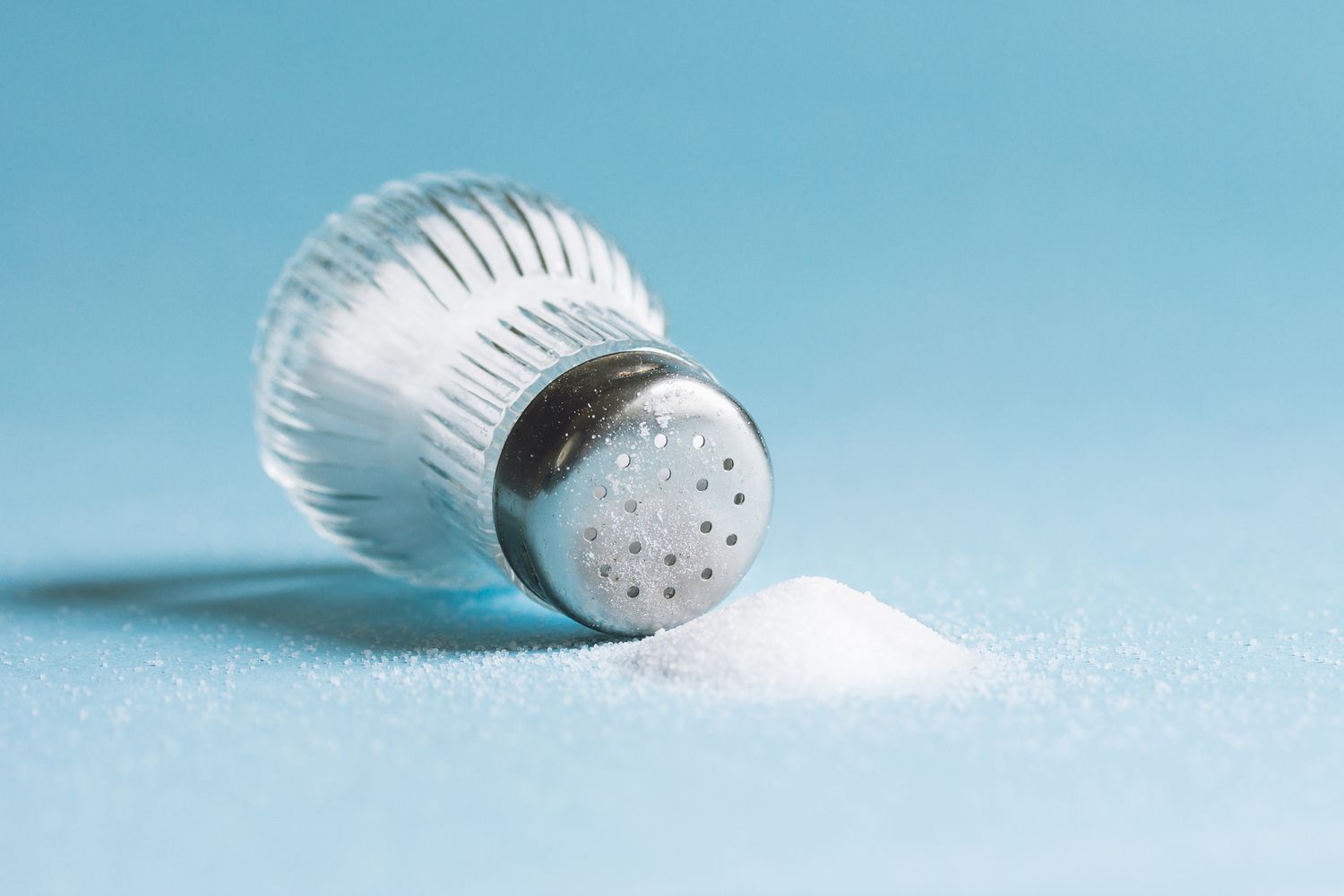
Many people use the words salt and sodium as if they mean the same thing. However, they are not identical. While they relate closely, each plays a different role in your diet and health. Understanding this difference helps you make smarter food choices and protect your long-term well-being.
Salt is a compound made from sodium and chloride. In everyday cooking, salt adds flavor and preserves food. Sodium, on the other hand, is a mineral and an electrolyte. Your body needs sodium to function properly. It helps control fluid balance, supports nerve signals, and allows muscles to contract smoothly. Therefore, sodium matters for survival, but excess intake can create problems.
What Sodium Does Inside the Body
Sodium plays a vital role in maintaining balance. It helps regulate blood volume and keeps cells working efficiently. When sodium levels stay within a healthy range, your body functions smoothly. You stay hydrated, alert, and physically stable.
However, when sodium intake rises too high, the body retains extra water. As a result, blood volume increases. This change places added pressure on blood vessels. Over time, that pressure may strain the heart and arteries. Therefore, while sodium supports life, too much can harm cardiovascular health.
Why Salt Gets the Blame
Salt receives most of the attention because it is the main source of sodium in modern diets. Most sodium does not come from a salt shaker. Instead, it hides in packaged foods, sauces, breads, and snacks. Because of this, people often consume far more sodium than they realize.
Additionally, taste preferences adapt quickly. When you eat salty foods often, your taste buds expect stronger flavors. As a result, you may add more salt without noticing. This habit slowly increases daily sodium intake. Over time, this pattern becomes difficult to break unless you act consciously.
Salt Types and Common Myths
Many people believe certain salts are healthier than others. While different salts vary in texture and trace minerals, they contain similar amounts of sodium. Sea salt, rock salt, and refined salt all contribute sodium to the diet. Therefore, switching salt types does not automatically lower health risks.
The key factor is quantity, not color or source. Even salts marketed as natural still raise sodium intake. So, moderation matters more than choosing a specific variety.
How Much Sodium Is Too Much
Your body needs only a small amount of sodium each day. Yet modern eating habits often exceed that amount easily. Large portions, processed foods, and restaurant meals add up quickly. Consequently, many people consume more sodium than their bodies require.
Reducing sodium does not mean removing salt completely. Instead, it involves awareness and balance. Cooking at home helps because you control ingredients. Reading food labels also helps you spot hidden sodium sources. Over time, these small changes support better health outcomes.
Practical Ways to Cut Back
Fortunately, lowering sodium intake does not mean sacrificing flavor. You can use herbs, spices, citrus, and aromatics to enhance taste. Gradually reducing salt allows your taste buds to adjust naturally. Soon, foods with less salt taste just as satisfying.
Also, choosing fresh foods over packaged ones makes a big difference. Fresh vegetables, fruits, and whole grains contain minimal sodium. Lean proteins prepared simply also help keep intake under control.
The Bottom Line
Salt and sodium are connected, but they are not the same. Salt is the source, while sodium is the mineral your body uses. Sodium supports essential functions, yet excess intake increases health risks. Therefore, understanding this distinction empowers you to eat smarter.
By paying attention to food choices, cooking habits, and portion sizes, you can maintain a healthy sodium balance. In the long run, these changes support heart health, stable energy levels, and overall wellness.