
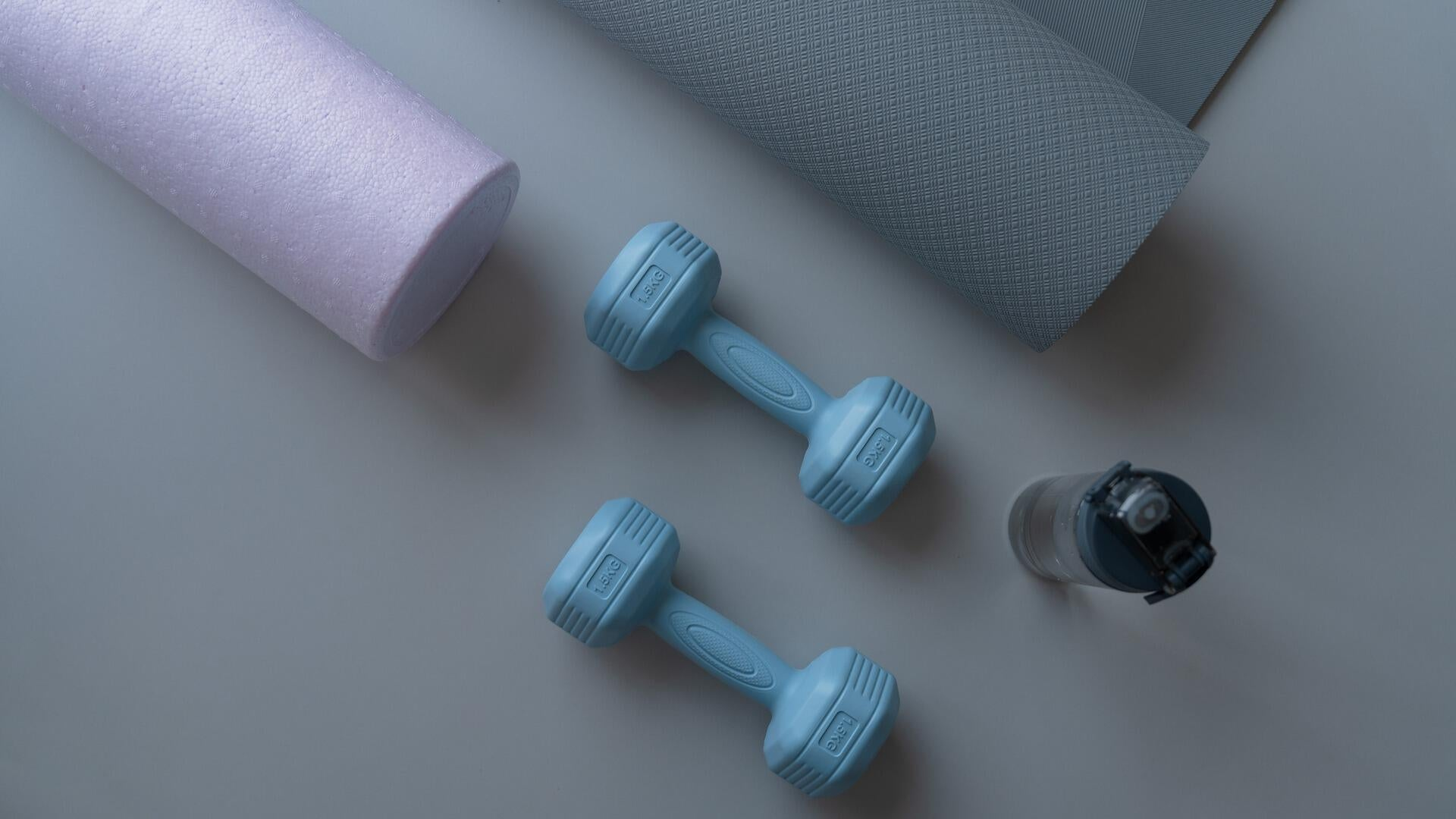
Exercise in 2026 is shifting toward efficiency, personalization, and sustainability. People want results, but they also want balance. Therefore, workouts are becoming shorter, smarter, and more adaptable. At the same time, recovery and mental well-being now hold equal importance to physical performance. These changes signal a clear move away from extreme routines toward long-term consistency. As a result, fitness habits are evolving to fit real life rather than disrupt it.
1. Precision-Based Personal Training
Personalized workouts are becoming the standard rather than a luxury. In 2026, exercise plans increasingly adapt to daily energy levels, sleep quality, and stress. Instead of rigid schedules, people follow flexible routines that adjust in real time. Consequently, workouts feel more achievable and less exhausting. This trend also reduces burnout, which keeps people consistent for longer.
2. Strength Training Takes Center Stage
Strength training continues its strong rise because it delivers visible results while supporting long-term health. More people now focus on building muscle to improve metabolism, posture, and joint stability. Unlike cardio-heavy routines of the past, strength sessions now dominate weekly schedules. Moreover, these workouts suit all ages, which makes them widely accessible.
3. Functional Fitness for Everyday Life
Fitness in 2026 emphasizes movement that supports daily activities. Exercises now mimic real-life motions like lifting, twisting, and reaching. As a result, people feel stronger outside the gym, not just during workouts. This approach also lowers injury risk, which encourages long-term participation. Functional training feels practical, so motivation stays high.
4. Recovery-First Workout Planning
Recovery is no longer an afterthought. Instead, it has become a core part of exercise routines. People now schedule rest days as intentionally as training days. Stretching, mobility work, and breath-focused movement are woven into weekly plans. Therefore, muscles recover faster and performance improves steadily. This trend proves that doing less can sometimes achieve more.
5. Shorter Workouts with Higher Impact
Time-efficient workouts dominate fitness in 2026. Many routines now last under 30 minutes yet deliver strong results. These sessions focus on intensity, proper form, and minimal rest. Because of this, busy schedules no longer block progress. Short workouts also feel less intimidating, which helps beginners stay committed.
6. Outdoor and Community-Based Exercise
People are stepping outside again. Group walks, park workouts, and open-air training sessions are gaining popularity. Exercising outdoors boosts mood while adding variety to routines. Additionally, social workouts create accountability and enjoyment. This trend highlights how fitness connects people, not just bodies.
7. Mind-Body Integration Becomes Essential
Exercise in 2026 strongly connects physical movement with mental clarity. Workouts now include mindful breathing, controlled pacing, and focus-driven movements. This integration reduces stress while improving performance. As a result, people finish workouts feeling energized rather than drained. Mind-body balance is no longer optional; it is essential.
The Future of Exercise Is Sustainable
The biggest shift in 2026 is not a single workout style but a new mindset. Fitness now prioritizes consistency, recovery, and enjoyment. Instead of chasing extremes, people choose routines that fit their lives. Consequently, exercise becomes a lifelong habit rather than a short-term goal. These seven trends clearly show that the future of fitness is smarter, kinder, and far more sustainable.