
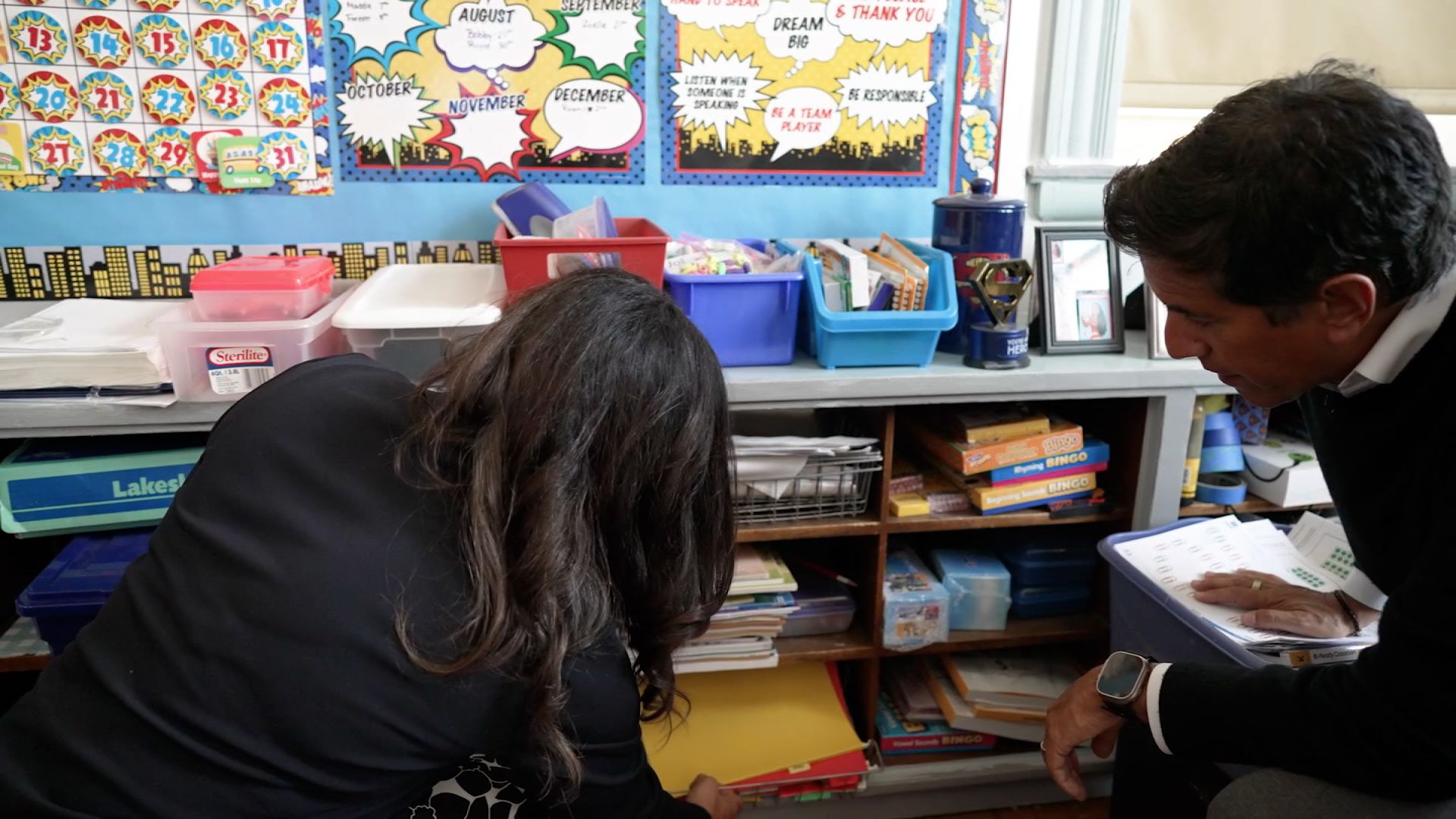
After ten months of intensive work, Milwaukee Public Schools has officially cleared all identified lead paint hazards across its buildings. The milestone closes a critical chapter in the city’s effort to protect students, teachers, and staff from the long-term risks associated with lead exposure. The cleanup focused on older school structures where aging paint posed potential dangers, especially in classrooms and common areas used daily by children.
Why lead paint in schools raised urgent concerns
Lead exposure can harm brain development, learning ability, and overall health, particularly in young children. Many school buildings in Milwaukee were constructed decades ago, during a time when lead-based paint was widely used. As paint ages, it can chip or create dust, which increases the risk of exposure. Therefore, officials prioritized fast action once inspections revealed areas that needed immediate attention.
The scope of the 10-month cleanup effort
The cleanup initiative involved inspecting hundreds of rooms, sealing or removing hazardous paint, and repainting surfaces using safer materials. Crews worked systematically, often outside of school hours, to limit disruptions. In addition, maintenance teams followed strict safety protocols, ensuring dust containment and proper disposal. As a result, schools remained operational while remediation moved forward efficiently.
How the work was carried out safely
To ensure safety, trained professionals used specialized equipment designed for lead abatement. They isolated work zones, monitored air quality, and completed follow-up testing once each site was finished. Moreover, administrators coordinated closely with health officials to verify that completed spaces met safety standards before reopening them fully to students and staff.
What this means for students and families
With lead hazards addressed, families can feel greater confidence in the safety of school environments. Clean classrooms support healthier learning conditions and reduce anxiety among parents concerned about hidden health risks. Teachers and staff also benefit, as safer buildings contribute to improved workplace conditions and long-term well-being.
A broader impact on public health and trust
Beyond individual schools, the cleanup strengthens public trust in the education system. It demonstrates that proactive maintenance and transparent action can resolve serious infrastructure challenges. Furthermore, it sets a precedent for ongoing inspections and preventive maintenance, which helps ensure that hazards do not return over time.
What comes next for school safety efforts
Although the lead paint project has concluded, officials plan to continue routine inspections and maintenance programs. By doing so, schools can address potential issues early and avoid future large-scale remediation. Additionally, long-term planning now includes safer building materials and updated renovation standards.
A milestone worth noting
The completion of this ten-month effort marks a significant achievement for Milwaukee’s public schools. Through focused planning, sustained work, and safety-first practices, the district has delivered a cleaner, safer environment for learning. Ultimately, this milestone reinforces the idea that student health and educational quality go hand in hand.