
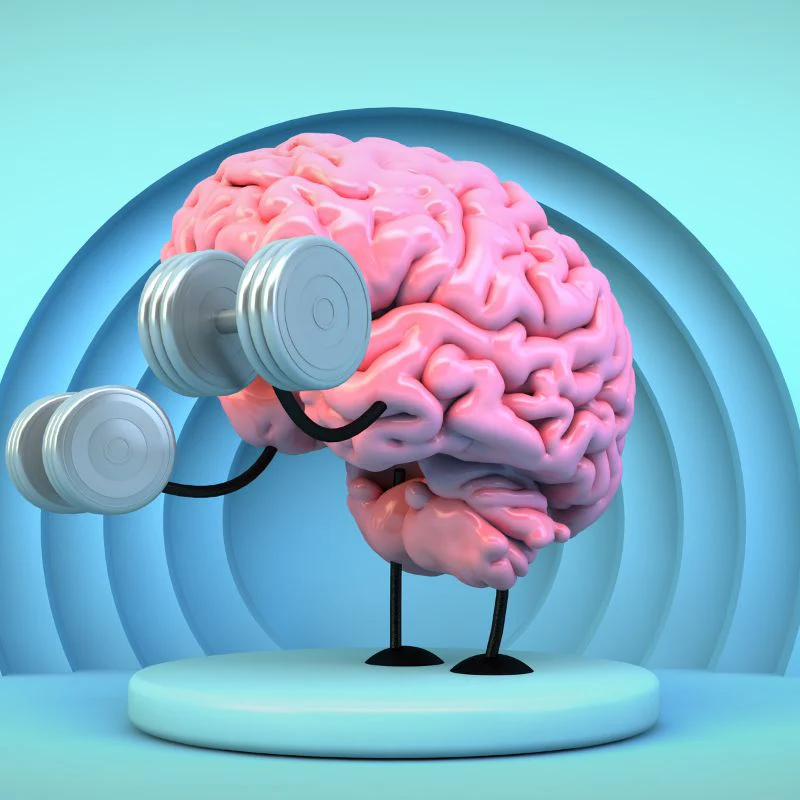
Memory loss is not only linked to aging. Stress, poor sleep, inactivity, and mental overload can weaken recall at any stage of life. Fortunately, doctors agree that the brain responds quickly to the right kind of exercise. When you challenge it consistently, memory improves, focus sharpens, and thinking becomes faster. The most effective approach combines physical movement with mental stimulation. Together, they strengthen neural connections and protect long-term cognitive health.
Why Exercise Matters for Memory
The brain thrives on blood flow and stimulation. Physical activity increases oxygen delivery, while mental effort builds new neural pathways. As a result, memory becomes more resilient. Doctors emphasize that consistency matters more than intensity. Small daily habits, practiced regularly, create measurable improvements over time. In addition, active lifestyles reduce inflammation, which supports brain clarity and recall.
Physical Exercises That Strengthen the Brain
Aerobic movement ranks among the most powerful memory boosters. Activities like brisk walking, cycling, and swimming raise the heart rate and stimulate brain regions responsible for learning. Doctors often highlight walking because it is accessible and sustainable. A daily walk improves attention span while enhancing short-term memory.
Strength training also plays a role. Resistance exercises improve insulin sensitivity and circulation, which directly affect brain performance. Even light bodyweight exercises activate brain signaling pathways linked to memory formation.
Balance and coordination workouts deserve attention as well. Practices that involve controlled movement challenge the brain to communicate efficiently with the body. This coordination strengthens focus and spatial memory. Over time, people notice better reaction speed and mental clarity.
Mental Exercises That Boost Recall
Mental workouts sharpen memory by forcing the brain to adapt. Doctors often recommend learning something new. This could involve a new language, a musical skill, or even a complex hobby. Novelty pushes the brain out of autopilot and improves recall.
Puzzles and problem-solving activities also help. When you solve riddles, logic problems, or strategy games, the brain strengthens pathways used for memory retrieval. The key lies in gradual difficulty. Start simple, then increase the challenge to keep progress steady.
Mindfulness exercises enhance memory in a different way. Focused breathing and attention training reduce mental clutter. When distractions decrease, the brain stores information more effectively. Doctors note that even a few minutes of daily mindfulness can improve working memory and concentration.
The Power of Combined Training
Doctors strongly support combining physical and mental exercises. For example, walking while listening to educational audio stimulates both movement and learning. Dance routines that require memorizing steps activate multiple brain areas at once. This dual engagement strengthens memory faster than isolated efforts.
Social interaction also enhances this effect. Group activities that involve conversation, movement, or shared problem-solving activate emotional and cognitive centers together. This combination reinforces memory while improving mood.
How Often Should You Train Your Brain
Frequency matters more than duration. Doctors recommend daily engagement, even if sessions are short. Ten minutes of focused mental effort combined with light physical activity can deliver noticeable benefits. Consistency builds neural resilience, while long breaks weaken progress.
Rest also plays a crucial role. Quality sleep consolidates memory and allows the brain to recover. Without it, even the best exercises lose effectiveness. Therefore, doctors stress balanced routines that include movement, mental challenge, and proper recovery.
Making Brain Exercise a Daily Habit
The most effective brain routines fit naturally into daily life. Choose activities you enjoy, because enjoyment increases adherence. Start small, then build gradually. Over time, these habits become automatic, and memory improvement follows.
Doctors agree on one message. The brain is adaptable at any age. With the right mix of physical and mental exercise, memory can improve, focus can sharpen, and cognitive decline can slow significantly. The earlier you start, the stronger the long-term results.