
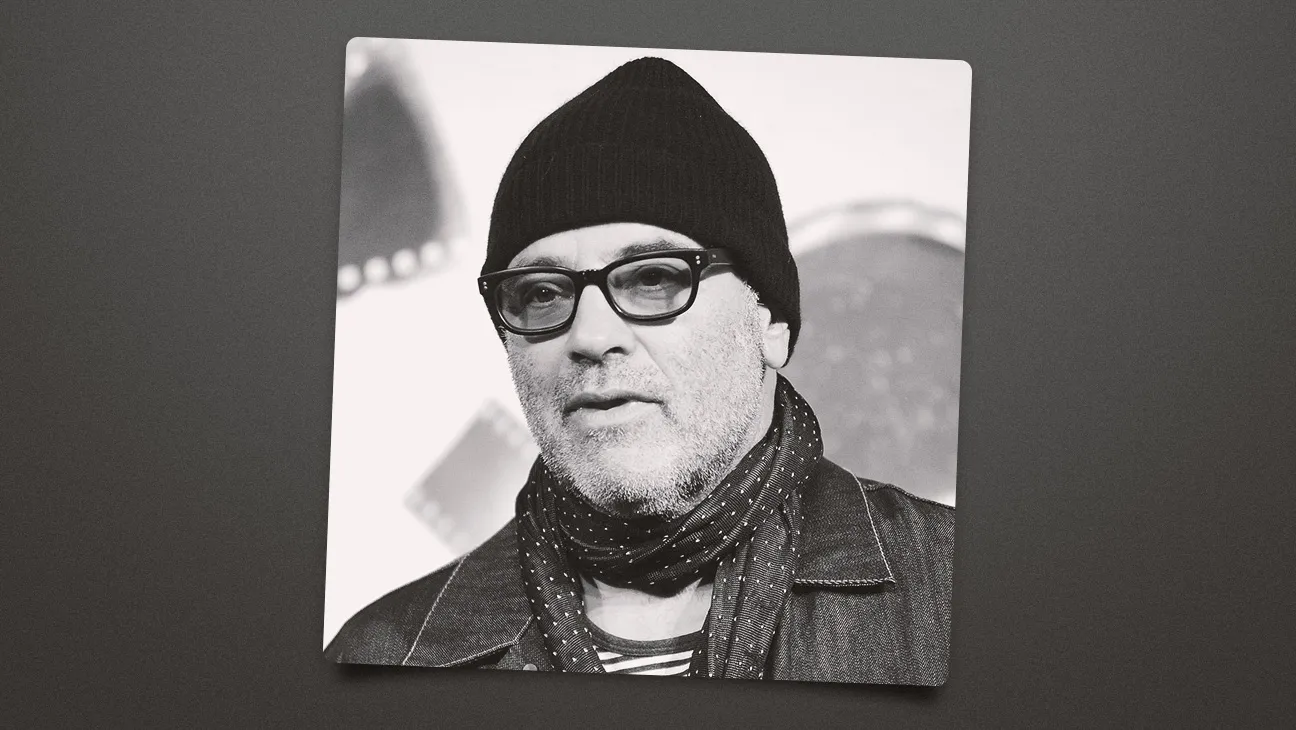
Amos Poe, a pioneering force in New York’s underground film movement, has died at the age of 76. His passing marks the end of an era defined by raw creativity, fearless storytelling, and an unfiltered look at the city’s countercultural soul. For decades, Poe stood apart from mainstream cinema, choosing instead to document the pulse of downtown life with urgency and authenticity.
From the beginning, he rejected polished narratives. Instead, he embraced imperfection. As a result, his work captured moments others ignored. He filmed musicians, artists, and outsiders who shaped culture from the margins. Through this approach, Poe helped redefine what independent filmmaking could be.
Shaping the Downtown New York Film Scene
During the late 1970s and 1980s, New York’s downtown scene thrived on experimentation. Poe was right at its center. While others followed trends, he created his own path. His films blended documentary and fiction, often blurring the line between the two. Because of this, audiences felt immersed rather than entertained.
Moreover, Poe treated the city itself as a character. Streets, clubs, and lofts became living backdrops. Consequently, his films now serve as historical records of a vanished New York. They preserve the grit, energy, and rebellion of a time when art thrived without permission.
A Style That Rejected Convention
Poe’s filmmaking style favored speed and instinct. He worked with small crews and limited budgets. However, those constraints fueled creativity rather than limiting it. He shot quickly, edited boldly, and trusted his vision. As a result, his films felt alive and unpredictable.
In addition, he valued collaboration. Musicians, writers, and performers often appeared in his work. This cross-pollination strengthened the underground movement. It also ensured his films reflected a collective spirit rather than a single voice.
Influence Beyond the Underground
Although Poe never chased mass appeal, his influence spread widely. Filmmakers inspired by his work adopted his DIY ethic and fearless perspective. Over time, elements of his style surfaced in independent cinema across the world. His impact proved that underground art could shape mainstream thinking without losing integrity.
Furthermore, film scholars frequently point to his work when discussing alternative cinema. His films challenged traditional storytelling and encouraged others to take risks. Therefore, his legacy extends far beyond the scenes he documented.
Remembering the Man Behind the Camera
Those who knew Poe often described him as intensely curious and deeply committed to art. He observed more than he spoke. Yet, when he created, his voice rang loud and clear. He believed cinema should reflect real life, even when it felt uncomfortable.
As news of his death spreads, tributes continue to emerge from artists and filmmakers influenced by his vision. They remember not only his films but also his belief in artistic freedom. He proved that stories from the underground matter.
A Lasting Legacy
Amos Poe leaves behind a body of work that remains vital and relevant. His films continue to inspire new generations to pick up cameras and tell honest stories. Even in death, his influence endures. The underground cinema movement he helped shape still echoes through independent film today.
His passing closes a chapter in New York’s cultural history. However, the spirit he captured on film will never fade.