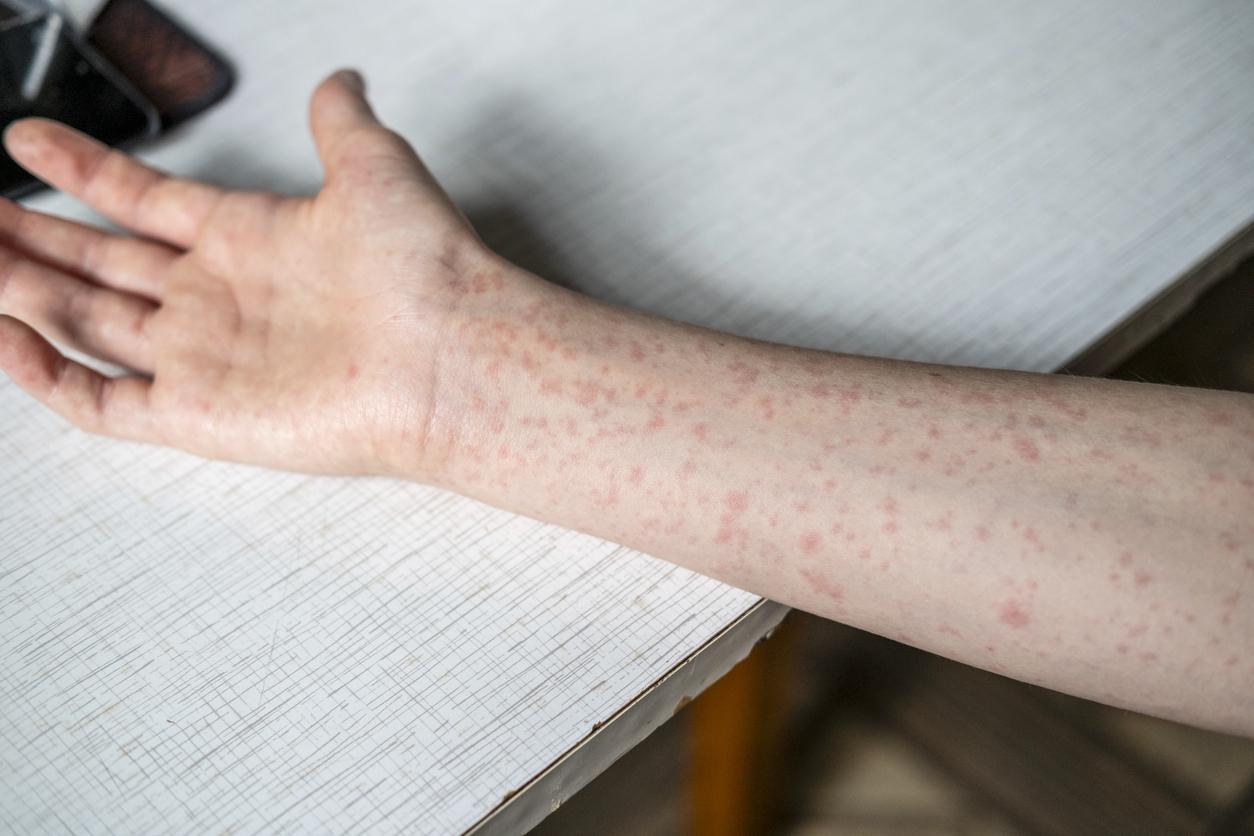

Testing positive for the flu during the holidays can feel overwhelming. Plans are disrupted, gatherings are missed, and worries about loved ones quickly surface. However, with the right steps, you can manage symptoms effectively, reduce the risk of spreading the virus, and support a smoother recovery. Most importantly, staying calm and acting early makes a real difference.
Understand What a Positive Flu Test Means
A positive flu result confirms that your symptoms are caused by the influenza virus. This explains fever, body aches, fatigue, sore throat, chills, and congestion. Although the flu often feels intense, most healthy adults recover fully within one to two weeks. Still, the first few days are crucial. Acting promptly helps shorten symptom duration and prevents complications.
Rest Should Be Your Top Priority
First and foremost, give your body permission to rest. The flu places stress on your immune system, and pushing through activities can slow recovery. Therefore, cancel non-essential plans, stay home, and sleep as much as possible. Even if holiday responsibilities feel urgent, your health comes first. Rest allows your body to focus energy on fighting the virus.
Stay Well Hydrated and Nourished
Next, hydration becomes essential. Fever and sweating increase fluid loss, so drink water frequently throughout the day. Warm fluids can also soothe throat discomfort and ease congestion. In addition, eat small, balanced meals when your appetite allows. Light foods support energy levels without overwhelming digestion. As your strength returns, gradually resume normal eating habits.
Manage Symptoms the Right Way
While there is no instant cure for the flu, symptom management improves comfort significantly. Fever reducers can help lower temperature and ease body aches. Meanwhile, warm showers, humid air, and nasal care can relieve congestion. Importantly, follow recommended dosages and avoid mixing medications unnecessarily. If symptoms worsen instead of improving, seek medical advice promptly.
Limit Contact to Protect Others
Because the flu spreads easily, isolating yourself is a responsible step. Stay home until fever-free for at least 24 hours without medication. Moreover, avoid close contact with family members, especially older adults, young children, and those with weaker immune systems. Wash hands often, cover coughs, and clean commonly touched surfaces to reduce transmission.
Watch for Warning Signs
Although most flu cases resolve on their own, some signs require immediate attention. Difficulty breathing, chest pain, persistent high fever, confusion, or severe weakness should never be ignored. Likewise, if symptoms improve and then suddenly return, complications may be developing. Acting early ensures faster treatment and better outcomes.
Ease the Emotional Stress of Missing Celebrations
Missing holiday events can feel disappointing and isolating. However, remind yourself that recovery is temporary, while your health is long-term. Stay connected through calls or messages, and plan low-energy activities that bring comfort. Gradually, as symptoms fade, normal routines and celebrations can be rescheduled.
Focus on Recovery, Not Guilt
Finally, release any guilt about resting or canceling plans. Getting sick is not a personal failure. In fact, staying home protects others and shows care for your community. By prioritizing recovery now, you reduce the risk of lingering fatigue and setbacks later.
In conclusion, testing positive for the flu during the holidays is frustrating, but it is manageable. With rest, hydration, symptom care, and mindful isolation, most people recover smoothly. Take each day step by step, listen to your body, and allow yourself the time needed to heal fully.