
Breakfast sets the metabolic tone for the entire day. Because of that, people who care about steady energy, focus, and long-term health often ask one key question: which breakfast supports better blood sugar control? Scrambled eggs and oatmeal both dominate breakfast tables around the world. However, they affect the body in very different ways. Understanding those differences helps you make smarter daily choices.
Blood sugar rises after eating carbohydrates, while protein and fat slow that rise. Therefore, the ideal breakfast depends on how quickly glucose enters the bloodstream and how well the body handles it. Let’s break down how these two popular options compare.
How Blood Sugar Responds to Breakfast Choices
Blood sugar stability matters because sharp spikes often lead to energy crashes later. Over time, repeated spikes may also increase the risk of insulin resistance. Therefore, a breakfast that digests slowly and promotes steady glucose release usually works best.
Carbohydrates raise blood sugar the most, especially refined ones. Protein and fat, on the other hand, slow digestion and reduce rapid glucose swings. With that in mind, scrambled eggs and oatmeal sit on opposite ends of the spectrum.
Scrambled Eggs and Blood Sugar Stability
Scrambled eggs contain almost no carbohydrates. Instead, they deliver high-quality protein and natural fats. Because of this, eggs have minimal impact on blood sugar levels. After eating eggs, glucose stays relatively stable, and insulin demand remains low.
Protein also increases satiety. As a result, people often feel full longer after eating eggs. That fullness may reduce snacking and prevent blood sugar dips mid-morning. Additionally, eggs support muscle maintenance, which further improves glucose control over time.
However, preparation matters. Adding excessive butter, processed meats, or refined sides can reduce the overall benefit. Still, when kept simple, scrambled eggs remain one of the most blood-sugar-friendly breakfast choices available.
Oatmeal and Its Impact on Glucose Levels
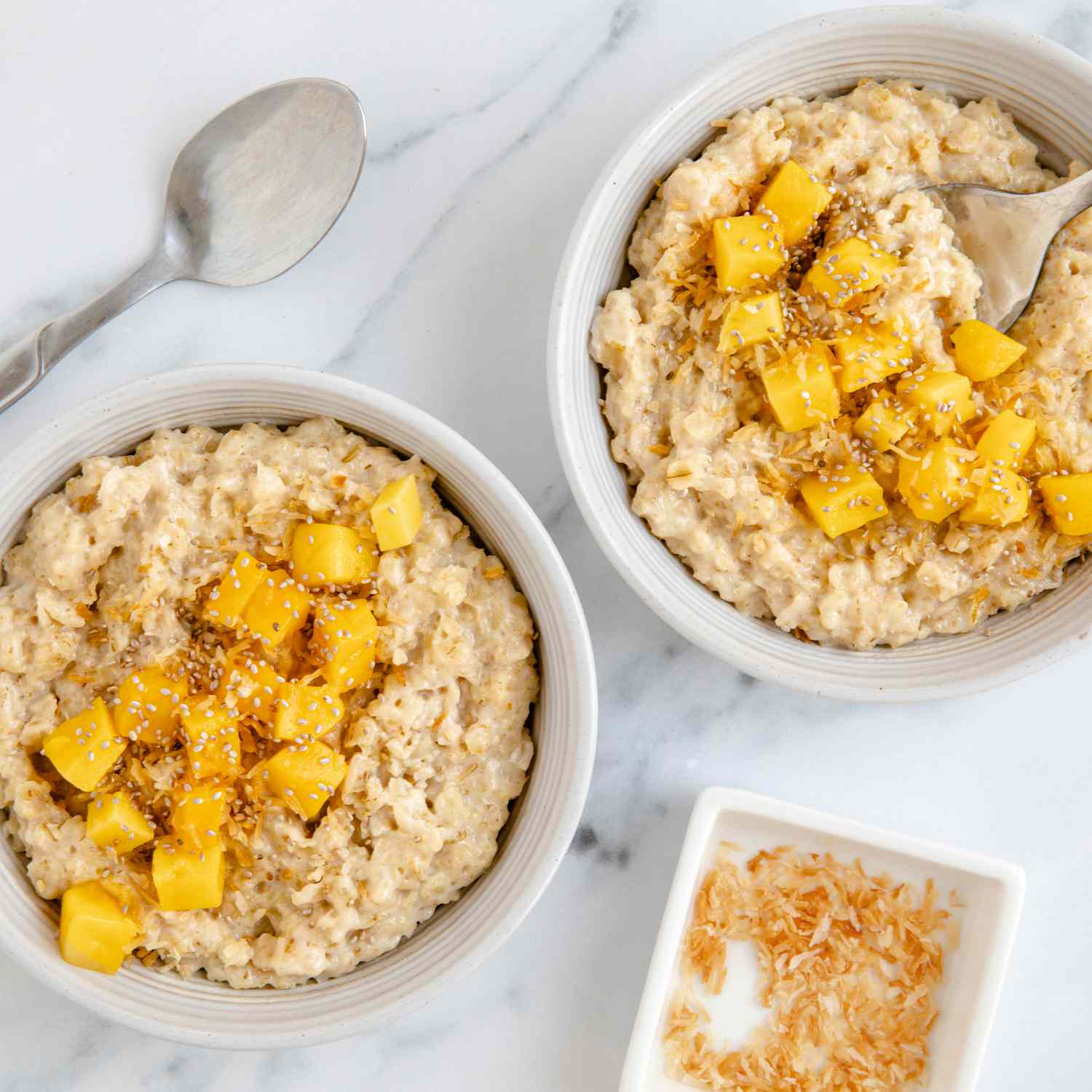
Oatmeal is rich in carbohydrates, but not all carbs behave the same way. Whole oats contain soluble fiber, which slows digestion. Because of that, oatmeal raises blood sugar more gradually than sugary cereals or white bread.
That said, oatmeal still increases glucose levels more than eggs. The rise may be gentle for some people, but for others, especially those sensitive to carbs, it can still cause noticeable spikes. Portion size also plays a major role. Large bowls or sweetened toppings can quickly shift oatmeal from balanced to blood sugar–challenging.
On the positive side, oats support heart health and gut function. When paired with protein or healthy fats, oatmeal becomes more blood sugar–friendly. Therefore, how you eat oatmeal matters just as much as whether you eat it.
Protein vs Carbohydrates: The Key Difference
The main difference between scrambled eggs and oatmeal lies in macronutrients. Eggs focus on protein and fat, while oatmeal centers on carbohydrates and fiber. Protein slows gastric emptying and stabilizes glucose. Carbohydrates provide quick energy but demand more insulin.
Because of this contrast, eggs generally win for immediate blood sugar control. Oatmeal, however, can still fit into a balanced diet when combined thoughtfully.
Which Breakfast Is Better for You?
If your primary goal is blood sugar stability, scrambled eggs usually come out on top. They keep glucose levels steady, prevent crashes, and support long-lasting energy. This makes them especially helpful for people managing insulin sensitivity or energy fluctuations.
Oatmeal can still work well if prepared strategically. Choosing plain oats, controlling portions, and adding protein or fat can significantly reduce blood sugar spikes. For active individuals or those who tolerate carbs well, oatmeal may provide useful fuel.
The Final Verdict
When it comes to blood sugar control, scrambled eggs take the crown. They cause minimal glucose changes and promote steady energy throughout the morning. However, oatmeal remains a nutritious option when balanced correctly.
Ultimately, the best breakfast is one that fits your body’s response, lifestyle, and long-term goals. Paying attention to how you feel after eating each option can guide you toward the smarter choice for your blood sugar and overall health.