
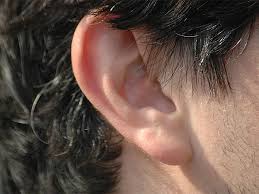
Stuffy ears can make everyday life uncomfortable. Sounds feel muffled, pressure builds, and balance may feel slightly off. Although this problem often feels serious, it usually has simple explanations and solutions. Understanding why your ears feel clogged is the first step toward relieving the pressure safely and effectively.
Why Your Ears Feel Stuffy
Your ears rely on small air-filled passages to balance pressure. When these passages struggle to open, pressure builds up. As a result, your ears may feel blocked or full. This often happens during seasonal allergies, sinus congestion, colds, or sudden altitude changes. For example, flying, driving through hills, or even swimming can trigger this sensation.
Additionally, earwax buildup can trap sound and create a clogged feeling. In some cases, fluid may collect behind the eardrum after an infection or cold. Although this usually clears on its own, it can linger and cause discomfort.
Quick Techniques to Relieve Ear Pressure
Fortunately, many cases of stuffy ears respond well to simple techniques. First, swallowing frequently helps activate muscles that open pressure-balancing pathways. Therefore, sipping water or sucking on a lozenge can bring relief.
Next, yawning works in a similar way. Although it may feel exaggerated, a deep yawn can help equalize pressure quickly. Chewing gum also stimulates the same muscles and often provides fast results.
Another effective method involves gently blowing while pinching your nose closed. This controlled action pushes air into the ear and helps rebalance pressure. However, you should do this carefully. Forceful blowing may worsen discomfort.
Managing Congestion From Colds or Allergies
When congestion causes ear blockage, addressing nasal swelling is key. Steam inhalation can help loosen mucus and reduce pressure. Simply breathing in warm steam from a shower often makes a noticeable difference.
Saline nasal rinses also help clear nasal passages. As airflow improves, ear pressure often decreases. Additionally, staying well hydrated keeps mucus thinner and easier to drain.
Rest plays an important role as well. While it may seem unrelated, sleep allows your body to reduce inflammation naturally. Over time, this can ease pressure in the ears.
Earwax and When to Be Careful
Sometimes, earwax buildup causes the clogged sensation. Although it may feel tempting, inserting objects into the ear can push wax deeper. Instead, softening wax with a few drops of warm oil may help it exit naturally.
However, if discomfort persists, professional evaluation is important. Persistent blockage, pain, or hearing loss should never be ignored. Acting early prevents complications and ensures safe treatment.
When Stuffy Ears Signal Something More
Although most cases are harmless, some symptoms require attention. If ear fullness comes with dizziness, sharp pain, or fluid leakage, it may indicate infection or injury. Similarly, sudden hearing loss needs prompt evaluation.
Listening to your body matters. If simple techniques fail after several days, seeking guidance ensures proper care.
Everyday Habits That Help Prevent Stuffy Ears
Prevention is often easier than treatment. Managing allergies, avoiding sudden pressure changes when possible, and practicing good nasal hygiene all help. During flights, chewing gum or swallowing during takeoff and landing reduces pressure buildup.
Additionally, protecting your ears from excessive moisture after swimming prevents fluid-related blockage. Drying ears gently can make a significant difference over time.
The Takeaway
Stuffy ears feel uncomfortable, but they rarely signal serious trouble. In most cases, simple actions restore comfort quickly. By understanding the causes and responding early, you can relieve pressure safely and prevent future discomfort. Small daily habits, combined with gentle relief techniques, keep your ears clear and comfortable.